Delhi Police overhauls intelligence system after Jantar Mantar violence
Synopsis
After 30,000 protesters clashed with police at Jantar Mantar on 20 July, Delhi Police is going far beyond crowd counts — it now wants to know who is funding protests, where demonstrators are staying, and who is mobilising them across state lines. The overhaul raises sharp questions about where preparedness ends and surveillance begins.
Key Takeaways
Delhi Police has overhauled its intelligence framework following violence at Jantar Mantar on 20 July .
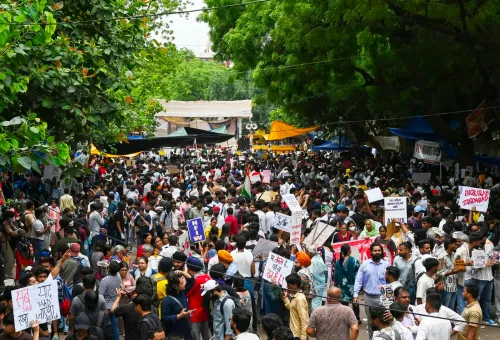
An estimated 30,000 protesters had marched toward Parliament demanding action on paper leaks and exam irregularities before clashes broke out.
Police Commissioner Anurag Kumar has directed the Special Branch to collect at least 10 key data points before any major protest.
New protocols include profiling participants, mapping inter-state mobilisation, tracking funding sources, and identifying organisers in advance.
The wireless communication network has also been inspected and upgraded for real-time coordination during protests.
Officials insist the goal is better law-and-order assessment, not suppression of protest activity.
Delhi Police has launched a comprehensive overhaul of its intelligence-gathering framework following the violence that erupted at Jantar Mantar on 20 July and the large-scale demonstrations that ensued, directing its Special Branch to collect at least 10 key pieces of information before any major planned protest. The move signals a structural shift in how the force prepares for public gatherings in the capital.
What Triggered the Overhaul
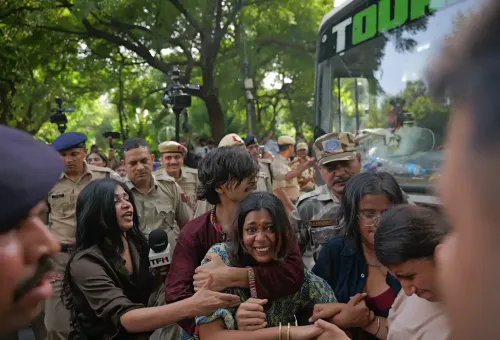
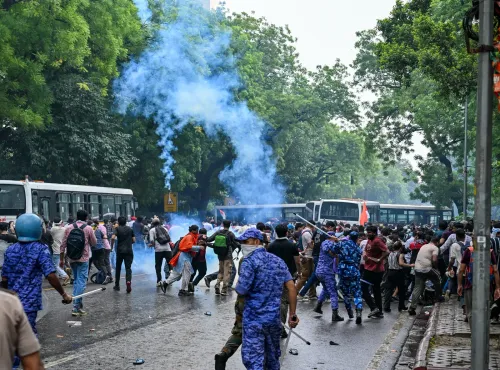
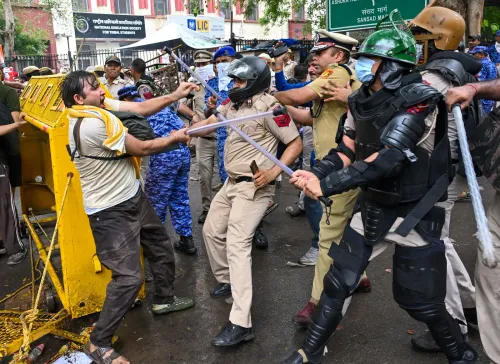
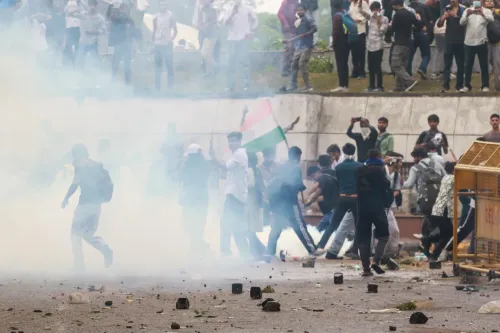
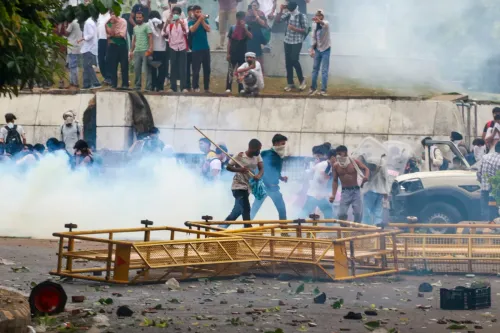
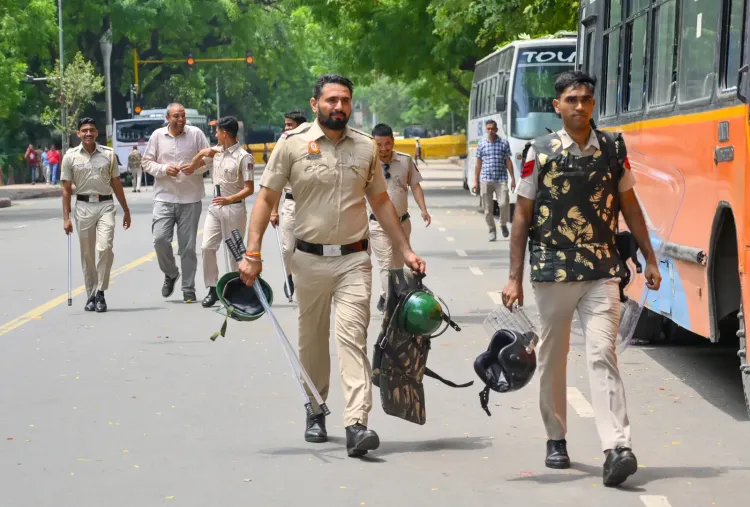
On 20 July, an estimated 30,000 protesters converged on Jantar Mantar in New Delhi, attempting to march toward Parliament to demand action on paper leaks and examination-related irregularities. As the situation deteriorated, clashes broke out between protesters and police personnel. The force's use of force drew widespread criticism, prompting an internal review of its intelligence operations.
Officials acknowledged that the police had lacked adequate and accurate prior information about the scale of mobilisation, the number of demonstrators, and the role of various organisations involved — gaps that the new framework is designed to close.
What the New Intelligence Framework Covers
Delhi Police Commissioner Anurag Kumar has directed the Intelligence Wing and the Special Branch to move well beyond basic logistics such as protest location and estimated crowd size. Under the revised system, the police will now profile participants, map which states they are travelling from, trace mobilisation networks, and identify key leaders and organisers in advance.
The framework also requires gathering information on where protesters are staying, their local contacts in Delhi, their organisational affiliations, potential sources of protest funding, and logistical arrangements made for the crowd. Notably, particular attention will be paid to protests drawing large numbers of participants from outside Delhi or involving multiple organisations simultaneously.
Wireless Communication Also Upgraded
Alongside the intelligence reforms, Commissioner Anurag Kumar has issued strict instructions to overhaul the wireless communication system used during protests. The wireless network has been thoroughly inspected, and deficiencies identified have been immediately addressed to ensure rapid, real-time information exchange between ground personnel and senior officers during large public events.
What the Police Say
According to sources, the stated purpose of the exercise is not to suppress or prevent protests, but to better assess the law and order situation during large public gatherings. Officials maintain that richer intelligence inputs will allow the force to calibrate its response more accurately and avoid the kind of unpreparedness that characterised the 20 July incident.
What Happens Next
The revised intelligence protocols are expected to be applied to all upcoming major demonstrations in the capital. Civil liberties groups are likely to scrutinise the profiling component closely, particularly the collection of data on funding sources, organisational links, and inter-state mobilisation — details that critics argue could chill legitimate protest activity. How the police balance operational preparedness with constitutional rights to assembly will be the defining test of this new framework.
Point of View
000 people mobilised across state lines and the police were caught flat-footed. But the remedy being proposed goes well beyond crowd management: mapping funding sources, organisational affiliations, and inter-state logistics is the architecture of a surveillance apparatus, not merely a public-order tool. The line between 'better preparedness' and chilling constitutionally protected assembly is thin, and the new framework does not appear to have a clear legal or oversight boundary. India has a history of intelligence systems built for one purpose being repurposed for political monitoring — that context cannot be ignored here.
NationPress
9 Oct 2026
Frequently Asked Questions
Why did Delhi Police overhaul its intelligence system?
Delhi Police revamped its intelligence framework after being caught underprepared during the Jantar Mantar violence on 20 July, when around 30,000 protesters clashed with police. An internal review found that the force lacked accurate prior information on the scale of mobilisation and the role of various organisations involved.
What information will Delhi Police now collect before protests?
Under the new framework, the Special Branch must gather at least 10 key data points before any major protest, including participant profiles, inter-state mobilisation patterns, identity of key organisers, funding sources, logistical arrangements, and where protesters are staying in Delhi.
Who ordered the intelligence overhaul?
Delhi Police Commissioner Anurag Kumar issued the directive, instructing both the Intelligence Wing and the Special Branch to develop more detailed and actionable intelligence inputs ahead of planned public gatherings.
Does the new system mean protests will be banned or restricted?
According to police sources, the framework is not intended to prevent protests but to better assess law-and-order requirements during large public events. However, the scope of data being collected — including funding sources and organisational links — is expected to draw scrutiny from civil liberties groups.
What happened at Jantar Mantar on 20 July?
Around 30,000 protesters gathered at Jantar Mantar in New Delhi on 20 July, attempting to march toward Parliament to demand action on paper leaks and examination irregularities. Clashes broke out between protesters and police, and the force's use of force drew widespread criticism.