Delhi Police defends protest curbs near Jantar Mantar ahead of Saturday rally
Synopsis
Delhi Police have gone on the offensive ahead of a Saturday protest, invoking July's month-long Jantar Mantar demonstrations — in which over 200 officers were reportedly injured — to justify pre-emptive restrictions. The force's assertion that 'seeking permission is not anti-democratic' frames a brewing civil-liberties standoff in the capital.
Key Takeaways
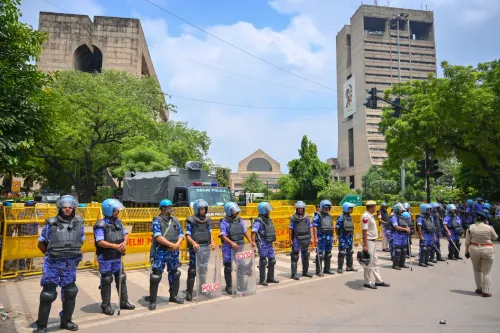
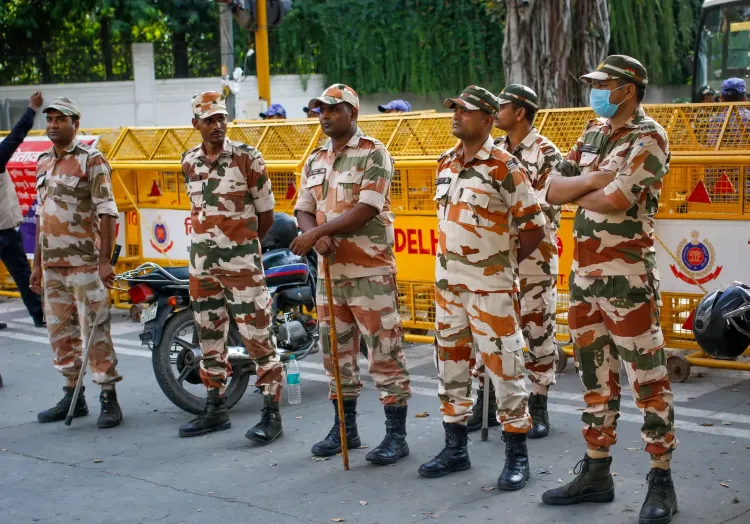
Delhi Police on Friday defended restrictions imposed ahead of a Saturday protest near Jantar Mantar .
The force cited July 2026 protests where more than 200 police personnel were reportedly injured and over 2,000 people with criminal antecedents allegedly participated.
Police alleged that women constables were molested and assaulted by protesters at Jantar Mantar during demonstrations in the past week.
Jantar Mantar can accommodate only around 1,000 people at a time, according to the police statement.
The Cockroach Janta Party is reportedly proceeding without permission; police warned participants could face prosecution, citing the Supreme Court's position on unauthorised protests.
Authorities described the curbs as temporary, aimed at balancing the right to protest with public safety and the city's economic functioning.
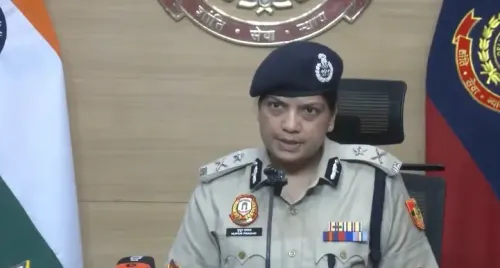
Delhi Police on Friday publicly defended the security restrictions imposed across the national capital ahead of a protest scheduled for Saturday, asserting that requiring prior permission for demonstrations is not anti-democratic and that the measures are essential to protect public safety, prevent overcrowding, and keep the city operational.
What Delhi Police Said
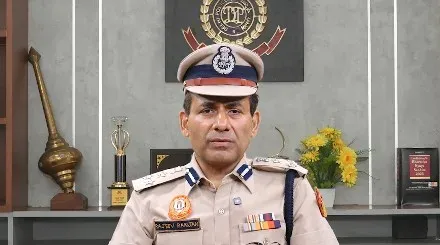
In a formal statement, the force acknowledged citizens' right to protest but drew attention to the competing responsibility of protecting residents, workers, businesses, police personnel, and the offices of constitutional bodies concentrated in New Delhi. 'We want to put the security precautions and restrictions in place in Delhi and around Jantar Mantar in proper perspective,' the statement read.
'Seeking permission to protest is not anti-democratic,' the police said, arguing that advance notice allows authorities to plan traffic diversions, arrange emergency access, and ensure the safe movement of crowds.
July Protests Cited as Precedent
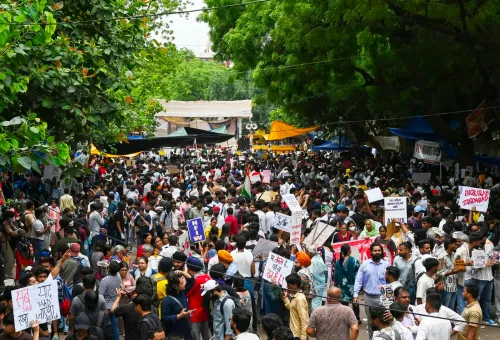
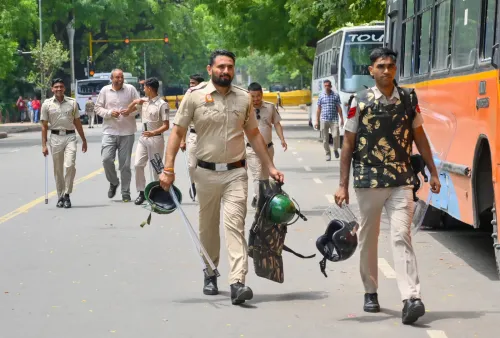
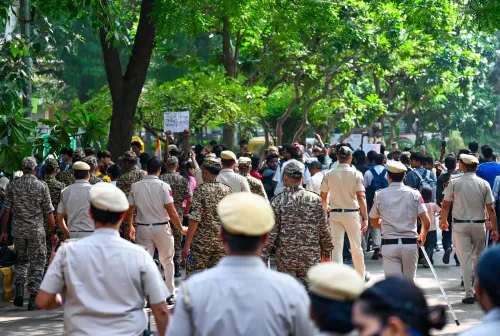
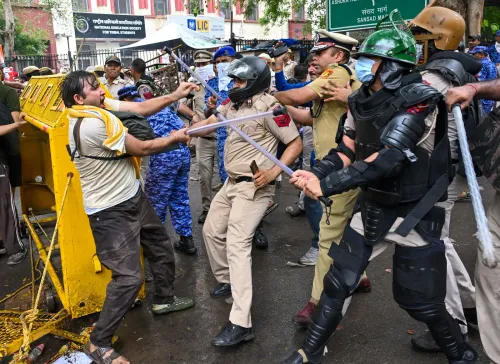
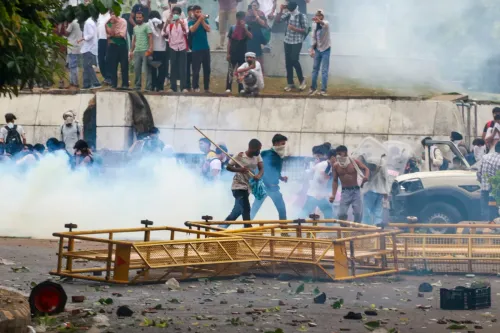
The police invoked the experience of demonstrations held at Jantar Mantar in July, alleging that what was originally permitted as a one-day protest extended into a month-long occupation. According to the statement, more than 200 police personnel were injured during those protests, and over 2,000 people with criminal antecedents reportedly participated, contributing to the violence. 'As the situation went out of control, there were clashes, and innocent students were injured too,' the statement said.
The force said the same group was now seeking to gather at the same location again, making crowd management and security considerations unavoidable before any permission could be considered.
Allegations Against Protesters
Delhi Police also flagged alleged incidents from protests over the past week, claiming that women constables had been molested and assaulted by protesters at Jantar Mantar. 'That is deeply troubling, and it has to be taken seriously,' the statement said. The force added that the Cockroach Janta Party was reportedly proceeding with the proposed gathering without obtaining the requisite permission.
Citing the Supreme Court's position on unauthorised demonstrations, police warned that protests held without permission are unlawful and that participants could face prosecution. Organisers, the statement added, have a responsibility to inform attendees of these legal implications.
Capacity and Civic Concerns
Highlighting physical constraints, Delhi Police noted that Jantar Mantar can accommodate only around 1,000 people at a time. The force stressed that authorities must weigh a gathering's scale against its potential to disrupt daily life and economic activity. 'Delhi, being the capital of the fastest-growing economy of the country, cannot be brought to a halt every time there are protests,' the statement said.
What Happens Next
The restrictions ahead of Saturday's demonstration are described as temporary and aimed at regulating movement, preventing overcrowding, and protecting all parties in the area. 'People should be able to raise their concerns peacefully. Our responsibility is to create the conditions in which they can do that safely, while keeping the city functioning,' Delhi Police said. How authorities manage the situation on the ground — and whether the protest proceeds — will be closely watched as a test of the balance between civil liberties and public order in the capital.
Point of View
000 people' framing at Jantar Mantar is notably elastic — used liberally against some protests and not others. The Supreme Court reference is accurate but strategically placed, and organisers are likely to contest both the characterisation of the July events and the legality of anticipatory restrictions. The civil-liberties tension here is real and unlikely to be resolved by a press statement.
NationPress
10 Oct 2026
Frequently Asked Questions
Why has Delhi Police imposed restrictions ahead of the Saturday protest?
Delhi Police imposed restrictions near Jantar Mantar ahead of a Saturday demonstration, citing the need to prevent overcrowding, ensure public safety, and protect constitutional offices in New Delhi. The force pointed to July protests where over 200 personnel were reportedly injured and the gathering extended well beyond its permitted one-day window.
What happened during the July protests at Jantar Mantar?
According to Delhi Police, a protest permitted for one day at Jantar Mantar in July continued for a month. The force claims more than 200 police personnel were injured, over 2,000 people with criminal antecedents participated, and students were also hurt in subsequent clashes.
Is it legally required to seek permission before protesting in Delhi?
Delhi Police stated that demonstrations held without prior permission are considered unlawful under the position articulated by the Supreme Court, and that participants in unauthorised protests could face prosecution. The force argued that prior permission enables logistical planning, not suppression of dissent.
Who is organising the Saturday protest and what are the legal risks?
Delhi Police identified the Cockroach Janta Party as the group reportedly proceeding with Saturday's gathering without obtaining permission. The police warned that organisers have a responsibility to inform participants of legal consequences, including potential prosecution.
How many people can Jantar Mantar accommodate, according to authorities?
Delhi Police stated that Jantar Mantar can accommodate only around 1,000 people at a time. The force used this capacity constraint to argue that large, unplanned gatherings at the site risk public safety and disrupt the surrounding area.