Delhi Police deny CJP Jantar Mantar protest permission, 57 metro stations may shut
Synopsis
Delhi Police have denied the Cockroach Janta Party permission to protest at Jantar Mantar on 10 October, citing a last-minute notice and the group's prior failure to honour its own undertakings. The fallout: 57 metro station entry and exit points across Delhi may shut from Friday night — a sweeping precautionary measure that will affect tens of thousands of daily commuters.
Key Takeaways
Delhi Police denied the Cockroach Janta Party (CJP) permission to hold a protest at Jantar Mantar on 10 October 2025 .
The denial cites failure to give the mandatory 10-day prior notice and the CJP's non-compliance with directions during a previous protest.
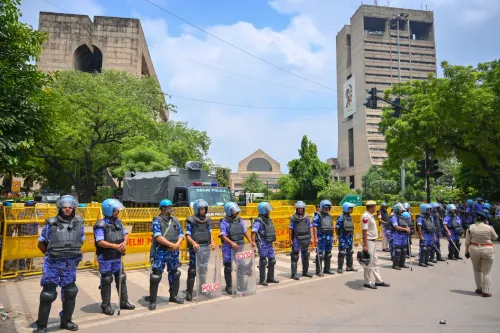
Section 163 of the BNSS is currently active in the New Delhi area, with preventive restrictions in force.
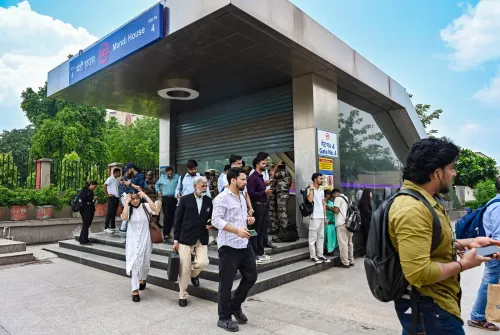
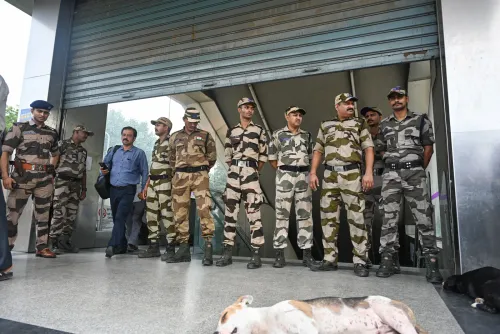
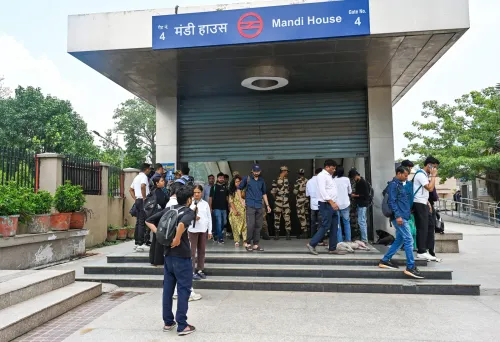
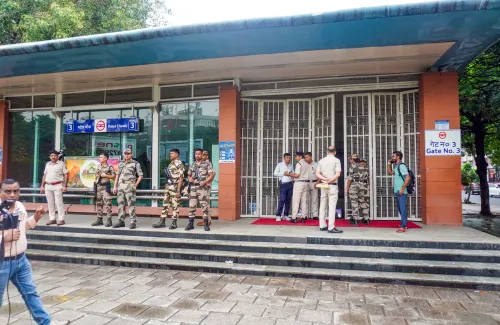
Delhi Police have proposed closing entry and exit points of 57 metro stations from 9 pm Friday through Saturday; DMRC confirmation was pending.
Named stations include Janpath , Patel Chowk , ITO , Kashmere Gate , Hauz Khas , and Rohini West , among others.
Interchange facilities at affected stations may remain available to commuters despite entry/exit closures.
Delhi Police on Friday, 9 October 2025, denied permission to the Cockroach Janta Party (CJP) for a planned protest at Jantar Mantar on 10 October, citing the organisers' failure to comply with legal directions during a previous demonstration and their non-adherence to prescribed notice norms. The police have also proposed closing entry and exit points of 57 metro stations from 9 pm Friday through Saturday to manage public movement in the national capital.
Why Permission Was Denied
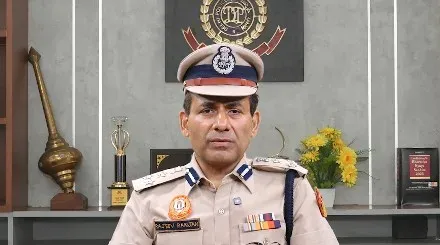
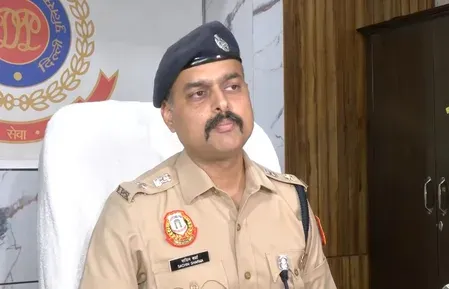
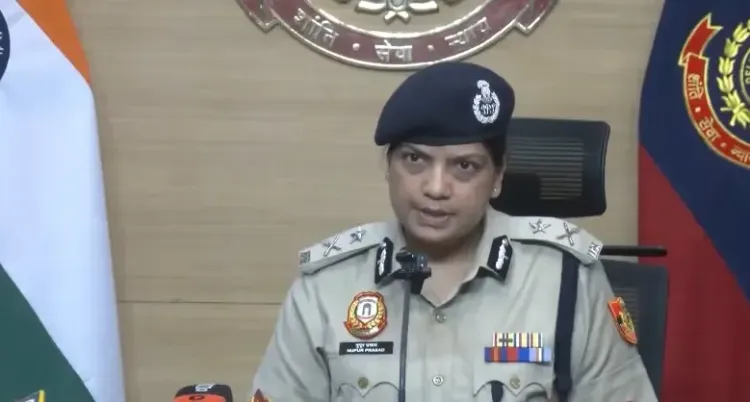
Joint Commissioner of Police (New Delhi Range) Nupur Prasad, addressing a press conference, said the police had received an application from Sourav Das, co-convenor of the CJP, seeking permission to protest at Jantar Mantar and demand accountability from the Chief Election Commissioner (CEC). She stated the intimation was submitted at very short notice — falling short of the mandatory 10-day prior notice required under prescribed guidelines.
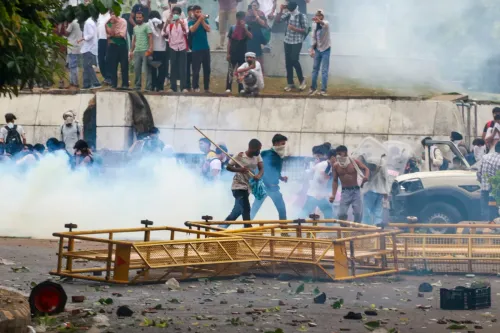
Prasad further noted that on a previous occasion, the CJP had been granted permission for a protest at the same venue but had 'failed to comply with lawful directions and its own undertakings.' The combination of procedural non-compliance and prior conduct informed Friday's denial. Section 163 of the Bharatiya Nagarik Suraksha Sanhita (BNSS) is currently in force in the New Delhi area, with preventive restrictions in place to maintain public order and safety.
Legal Warning Issued
Prasad warned that anyone found violating the provisions of Section 163 of the BNSS would face appropriate legal action. The police emphasised that the decision to deny permission also factored in the prevailing law-and-order situation, public safety, and the need to regulate traffic across the capital.
57 Metro Stations in the Crosshairs
In a significant logistical measure, Delhi Police have proposed the closure of entry and exit points of 57 metro stations, beginning 9 pm on Friday and continuing through Saturday. The proposal has been sent to Delhi Metro Rail Corporation (DMRC) officials, and confirmation was awaited at the time of the announcement. Stations named in the proposal include Janpath, Patel Chowk, Supreme Court, ITO, Delhi Gate, Kashmere Gate, Rohini West, Welcome, Shalimar Bagh, Adarsh Nagar, and Hauz Khas, among others.
Police officials clarified that the proposal pertains specifically to entry and exit points, while interchange facilities may remain operational for regular commuters. The wide geographic spread of the affected stations — spanning multiple metro lines — signals the scale of precautionary measures being deployed.
Context and What Comes Next
This is not the first time a protest at Jantar Mantar has triggered large-scale security and transit measures in Delhi. The venue has historically been a focal point for political demonstrations, and authorities have repeatedly cited law-and-order and traffic concerns when managing access. Notably, the CJP's stated demand — accountability from the Chief Election Commissioner — touches on a politically sensitive theme, lending additional salience to the denial.
With Section 163 BNSS restrictions active and metro closures pending DMRC confirmation, commuters in and around central Delhi are advised to plan alternate routes. Whether the CJP proceeds with any form of demonstration despite the denial, and how authorities respond, will be closely watched through Saturday.
Point of View
But it also raises questions about whether the bar for protest permissions in central Delhi is being applied consistently across political groups. The proposed closure of 57 metro stations is a disproportionately wide net for a single-venue demonstration; such measures routinely inconvenience far more ordinary commuters than they deter protesters. The CJP's core demand — accountability from the Chief Election Commissioner — arrives at a politically charged moment, and the heavy-handed logistics risk drawing more attention to the cause than the protest itself would have.
NationPress
9 Oct 2026
Frequently Asked Questions
Why did Delhi Police deny permission for the CJP protest at Jantar Mantar?
Delhi Police denied permission because the CJP's application was submitted at very short notice — less than the mandatory 10 days in advance — and because the group had previously failed to comply with lawful directions and its own undertakings at an earlier protest at the same venue. Law-and-order concerns, public safety, and traffic regulation were also cited.
Which metro stations may be shut due to the protest situation?
Delhi Police have proposed closing entry and exit points of 57 metro stations from 9 pm on Friday, 9 October, through Saturday. Named stations include Janpath, Patel Chowk, Supreme Court, ITO, Delhi Gate, Kashmere Gate, Rohini West, Welcome, Shalimar Bagh, Adarsh Nagar, and Hauz Khas. Interchange facilities may remain operational.
What is Section 163 of the BNSS and why is it relevant here?
Section 163 of the Bharatiya Nagarik Suraksha Sanhita (BNSS) empowers authorities to impose preventive restrictions to maintain public order and safety. Delhi Police have invoked it across the New Delhi area ahead of the planned protest, and have warned that violations will attract legal action.
What was the CJP protesting about?
The Cockroach Janta Party sought to hold a demonstration at Jantar Mantar demanding accountability from the Chief Election Commissioner (CEC). The application was filed by co-convenor Sourav Das.
Has the DMRC confirmed the metro station closures?
As of the police press conference on Friday, the proposal had been sent to Delhi Metro Rail Corporation (DMRC) officials but confirmation was still awaited. Commuters are advised to check official DMRC channels for the latest status before travelling.