Muslim cleric urges youths to skip CJP's Jantar Mantar protest on Saturday
Synopsis
A senior Muslim cleric has publicly told Muslim youths to stay away from the CJP's Jantar Mantar protest, warning of 'considerable difficulties' faced by community members at previous agitations. With Delhi under a 23,000-strong security blanket, permission denied, and the Supreme Court intervening to prevent a full Metro shutdown, Saturday's protest is already a flashpoint.
Key Takeaways
Maulana Mufti Shahabuddin Razvi Barelvi urged Muslim youths in Delhi and Uttar Pradesh to avoid the CJP protest at Jantar Mantar on 10 October .
The CJP protest demands the resignation of Chief Election Commissioner Gyanesh Kumar over alleged SIR electoral roll irregularities.
Delhi Police denied permission for the protest and sought closure of 57 Metro stations .
The DMRC announced entry and exit closures at 57 Metro stations from 9 pm Friday until further orders.
The Supreme Court directed the Centre to ensure Metro and railway services operate in a 'suitably regulated manner' rather than face a complete shutdown.
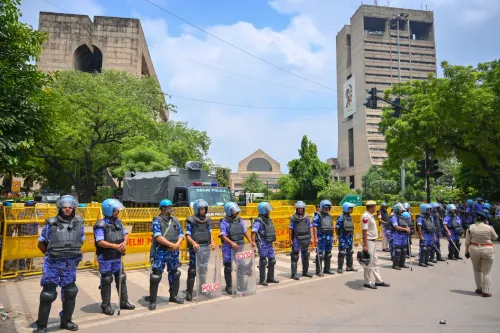
More than 23,000 security personnel are likely to be deployed across the national capital.
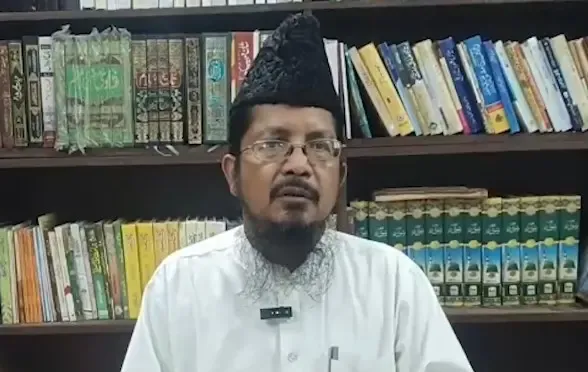
All India Muslim Jamaat National President Maulana Mufti Shahabuddin Razvi Barelvi on Friday, 9 October urged Muslim youths across Delhi and Uttar Pradesh to stay away from the Cockroach Janta Party (CJP)'s scheduled protest at Jantar Mantar in New Delhi on Saturday, warning that participants from the community had faced 'considerable difficulties' after the party's previous agitation.
The Cleric's Appeal
Speaking to reporters, Maulana Mufti Shahabuddin Razvi Barelvi said he was not questioning the legal right to protest, but cited safety concerns specific to the Muslim community. 'Staging a demonstration is every person's right; it is our legal right. However, no one can be allowed to resort to violence,' he said. 'I want to appeal to all Muslim youths living in Delhi or in the districts of Uttar Pradesh to stay away from the Cockroach Janta Party's upcoming sit-in protest at Jantar Mantar in Delhi and not participate in it under any circumstances.'
He added: 'Muslims are a vulnerable section of the society, and some of them who participated in that protest, had to face considerable difficulties later. Based on this experience, I am urging Muslims to not take part in the protest and instead carry on with their work and studies. It is for their own benefit.'
Background: What the CJP Protest Is About
The CJP has announced a sit-in at Jantar Mantar on Saturday, 10 October to demand the resignation of Chief Election Commissioner (CEC) Gyanesh Kumar over alleged irregularities in the conduct of the Special Intensive Revision (SIR) of electoral rolls. The cleric's remarks also referenced a previous CJP agitation that reportedly contributed to the resignation of then Education Minister Dharmendra Pradhan.
Security Lockdown in Delhi
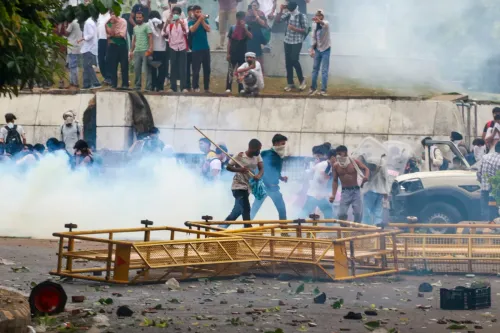
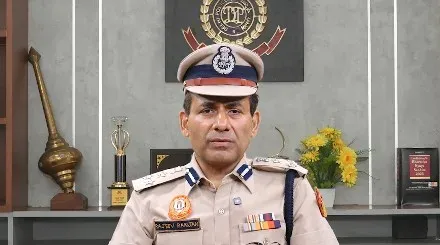
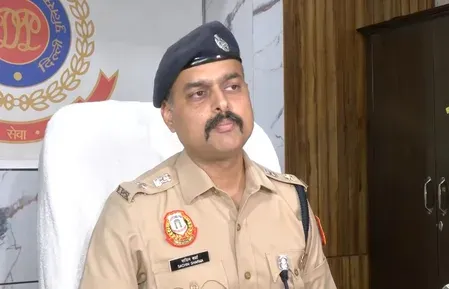
Ahead of the demonstration, New Delhi has been placed on high alert, with more than 23,000 security personnel likely to be deployed. Delhi Police denied permission for the protest, citing the organisers' failure to comply with legal directives and undertakings given during a previous protest. Police also sought the closure of 57 Metro stations.
Acting on that proposal, the Delhi Metro Rail Corporation (DMRC) announced that entry and exit gates of 57 Metro stations would be shut from 9 pm on Friday until further orders.
Supreme Court Intervenes on Metro Services
However, the Supreme Court stepped in on Friday, directing that there should be no complete stoppage of Metro train services ahead of the planned protest. The court asked the Centre to ensure that Metro and other railway services are allowed to operate in a 'suitably regulated manner' to minimise public inconvenience. The directive effectively overrode the blanket station-closure order, though some restrictions are expected to remain in place.
With security tight, permission denied, Metro access restricted, and a prominent religious leader publicly advising Muslim youth to disengage, Saturday's protest is shaping up to be a closely watched test of both civil-liberties frameworks and public order management in the national capital.
Point of View
Overriding both police and DMRC, reflects an institutional instinct to protect civil mobility even when protest permission is withheld. The broader pattern — mass security deployment, Metro shutdowns, and pre-emptive community advisories — raises questions about whether the infrastructure of protest management is proportionate or chilling. What the mainstream coverage underweights is the downstream effect on credible civic engagement: if communities are routinely advised to disengage for safety, the right to protest becomes nominally intact but practically hollow.
NationPress
9 Oct 2026
Frequently Asked Questions
Why did the Muslim cleric urge youths to avoid the CJP protest?
Maulana Mufti Shahabuddin Razvi Barelvi cited safety concerns, saying Muslim participants at a previous CJP agitation had faced 'considerable difficulties.' He acknowledged the legal right to protest but said Muslims are a 'vulnerable section of society' and advised them to prioritise their work and studies instead.
What is the CJP protest at Jantar Mantar about?
The Cockroach Janta Party (CJP) has called a sit-in at Jantar Mantar on 10 October to demand the resignation of Chief Election Commissioner Gyanesh Kumar over alleged irregularities in the Special Intensive Revision (SIR) of electoral rolls. A previous CJP agitation reportedly contributed to the resignation of former Education Minister Dharmendra Pradhan.
Has Delhi Police given permission for the CJP protest?
No. Delhi Police denied permission for the protest, citing the organisers' failure to comply with legal directions and undertakings made during a previous protest. Police also sought the closure of 57 Metro stations ahead of the demonstration.
What did the Supreme Court say about Metro services during the protest?
The Supreme Court directed that there should be no complete stoppage of Metro train services ahead of the protest. It asked the Centre to ensure Metro and other railway services operate in a suitably regulated manner to minimise inconvenience to the public, effectively tempering the blanket closure order.
How many security personnel will be deployed in Delhi for the protest?
More than 23,000 security personnel are likely to be on duty across New Delhi in view of the planned CJP demonstration at Jantar Mantar on Saturday, 10 October.