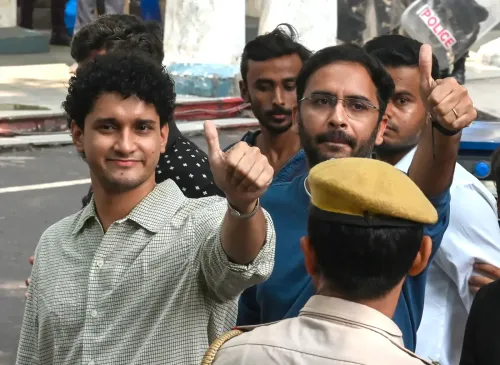
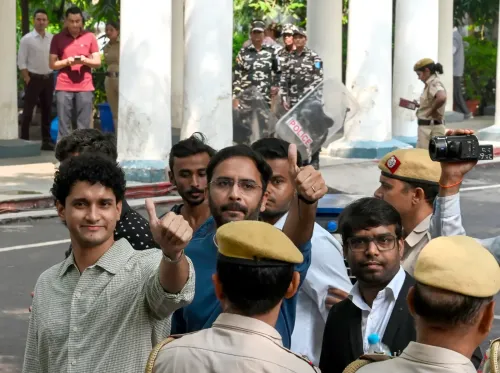
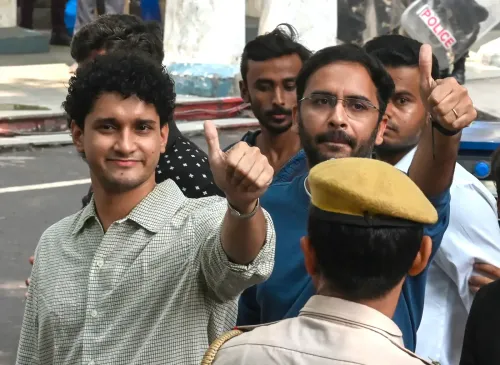
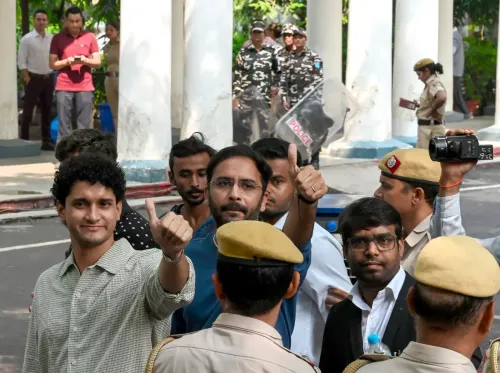
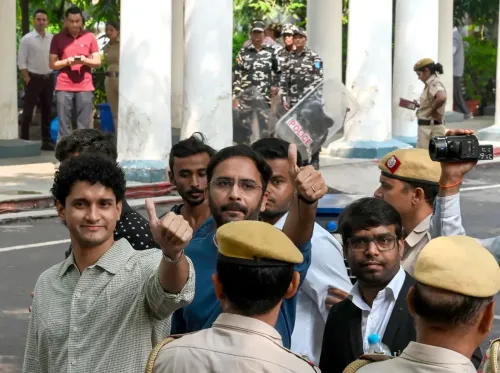
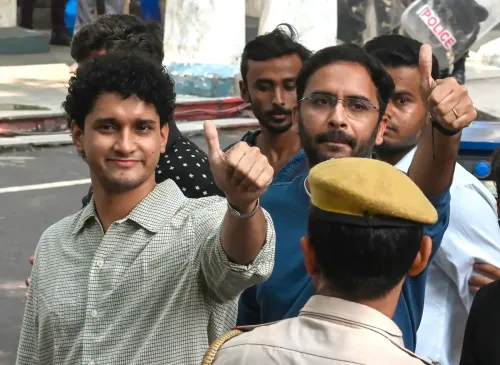
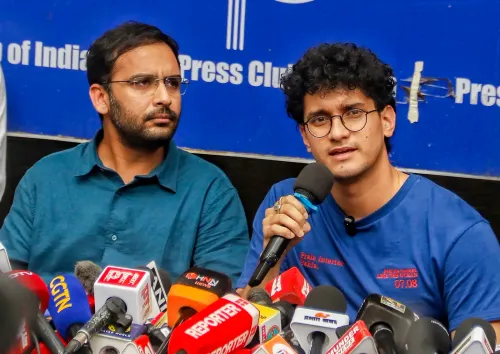
CJP's Saurav Das, Ashutosh Ranka freed after Jantar Mantar protest undertaking
Synopsis
Two CJP leaders detained for a Jantar Mantar protest against alleged electoral roll irregularities walked free on Wednesday — but only after pledging in writing not to call fresh demonstrations at the site until it is officially de-notified. Delhi Police had pushed for three more days of custody, making the SEM's release order a notable check on that request.
Key Takeaways
Saurav Das and Ashutosh Ranka of the Citizens for Justice and Peace (CJP) were released from judicial custody on 21 October 2026 by SEM Ritu Raj in New Delhi.
Both furnished personal bonds and surety bonds of ₹50,000 each and submitted written undertakings to maintain peace and not call protests at Jantar Mantar until the site is de-notified.
Delhi Police opposed release, seeking a further three-day custody extension , citing persistent apprehensions of breach of peace.
The Delhi High Court permitted the activists to withdraw their custody-challenge plea, with Justice Subramonium Prasad directing them to await SEM proceedings.
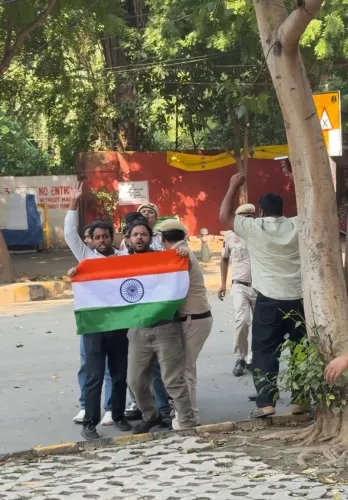
The duo were among 14 people detained on 13 October for allegedly entering Jantar Mantar through private premises and protesting against Special Intensive Revision (SIR) of electoral rolls.
The matter is next listed before the SEM on Friday at 3 pm .
Citizens for Justice and Peace (CJP) leaders Saurav Das and Ashutosh Ranka were ordered released from judicial custody on Wednesday, 21 October 2026, after they submitted written undertakings before a Special Executive Magistrate (SEM) in New Delhi, pledging to maintain peace and refrain from calling protests at Jantar Mantar until the site is de-notified in accordance with law.
What the Court Ordered
SEM Ritu Raj directed the release of both activists upon their furnishing of personal bonds and surety bonds of ₹50,000 each, valid until the conclusion of the inquiry in the Jantar Mantar trespassing case. The court observed that the immediate measures required under Section 135(3) of the Bharatiya Nagarik Suraksha Sanhita (BNSS) to prevent a breach of peace could be adequately secured through bonds backed by the written undertakings.
'Hence, further judicial custody does not appear to be necessary at this stage, particularly after written undertakings before this Court,' the SEM's order stated.
What the Activists Pledged
In their written undertakings, Das and Ranka promised not to commit any breach of peace and expressed full faith in the judiciary and all its instruments, including the SEM court. Their undertakings specifically stated: 'We reiterate our undertaking and commitment towards peace, law and order, public tranquillity and further we specifically state that we will not make any calls for protest at Jantar Mantar till such a time that it is de-notified in accordance with law.'
They further pledged that any future protest would be conducted 'within the four corners of the Constitution.' The court directed both activists to appear on every date of hearing and strictly adhere to the bond conditions.
Police Opposition and HC Proceedings
Delhi Police had sought a further three-day extension of the activists' judicial custody, arguing that apprehensions of a breach of peace persisted given their subsequent statements and conduct. Police also contended that the activists had taken contrary stands before the court and in media regarding their willingness to refrain from similar activities.
Separately, the Delhi High Court on Wednesday permitted Das and Ranka to withdraw their plea challenging the SEM's earlier custody extension order, without expressing any opinion on the merits. A single-judge bench of Justice Subramonium Prasad had asked their counsel to consider withdrawing the petition and await the SEM proceedings before pursuing an appropriate legal remedy. During proceedings, counsel for the activists also tendered an unconditional apology over remarks allegedly made by a party member while the two leaders were being taken to Tihar Jail on an earlier date.
Background: The October 13 Detention
Das and Ranka, along with CJP member Ajinkya Shinde, were among 14 people detained on 13 October after they allegedly entered Jantar Mantar through private premises and obstructed police personnel from discharging their official duties. The CJP members had been protesting against alleged irregularities in the Special Intensive Revision (SIR) of electoral rolls and had raised slogans against Chief Election Commissioner (CEC) Gyanesh Kumar.
What Happens Next
The inquiry will continue in accordance with law, and the matter has been listed for further proceedings on Friday at 3 pm. The investigating officer has been directed to submit a verification report on the sureties at the next hearing. The case has drawn attention to the boundaries of protest rights at Jantar Mantar, which has historically served as a designated demonstration site in the capital.
Point of View
Not merely an apprehension one. What this case also surfaces is the contested status of Jantar Mantar itself — for decades the country's de facto protest venue, it has been incrementally restricted, and the activists' undertaking not to demonstrate there 'until de-notified' implicitly acknowledges a legal ambiguity that authorities have never fully resolved. The CJP's protest target — alleged irregularities in the Special Intensive Revision of electoral rolls — is a substantive democratic concern that risks being obscured by the procedural drama of custody hearings and apologies. Accountability reporting on whether the SIR concerns are ever formally addressed is as important as tracking the bail conditions.
NationPress
21 Oct 2026
Frequently Asked Questions
Why were Saurav Das and Ashutosh Ranka in judicial custody?
They were detained on 13 October along with 12 others for allegedly entering Jantar Mantar through private premises and obstructing police personnel. The CJP leaders were protesting against alleged irregularities in the Special Intensive Revision (SIR) of electoral rolls and had raised slogans against Chief Election Commissioner Gyanesh Kumar.
What conditions were set for their release?
The Special Executive Magistrate ordered their release upon submission of personal bonds and surety bonds of ₹50,000 each, along with written undertakings pledging not to call any protests at Jantar Mantar until the site is de-notified in accordance with law, and to conduct any future protest within constitutional bounds.
Why did Delhi Police oppose their release?
Delhi Police sought a further three-day extension of judicial custody, arguing that apprehensions of a breach of peace persisted based on the activists' subsequent statements and conduct. Police also contended that the activists had taken contrary stands before the court and in media about their willingness to refrain from similar activities.
What happened at the Delhi High Court?
The Delhi High Court permitted Das and Ranka to withdraw their plea challenging the SEM's earlier custody extension order, without ruling on its merits. Justice Subramonium Prasad advised their counsel to await the SEM proceedings before seeking further legal remedy.
When is the next hearing in the case?
The SEM court has listed the matter for further proceedings on Friday at 3 pm. The investigating officer has also been directed to submit a verification report on the sureties at that hearing.