Chhattisgarh hosts first UCF and UWIN regional workshop
Synopsis
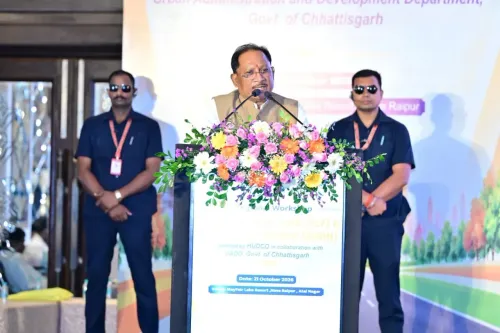
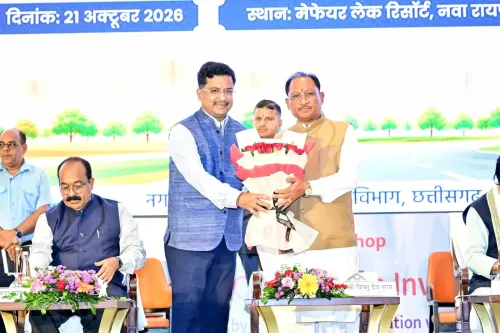
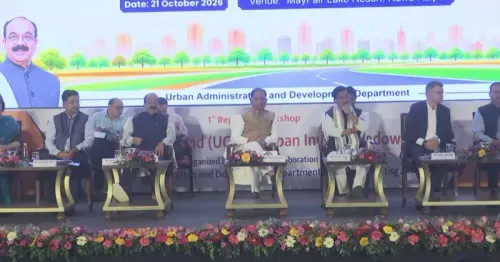
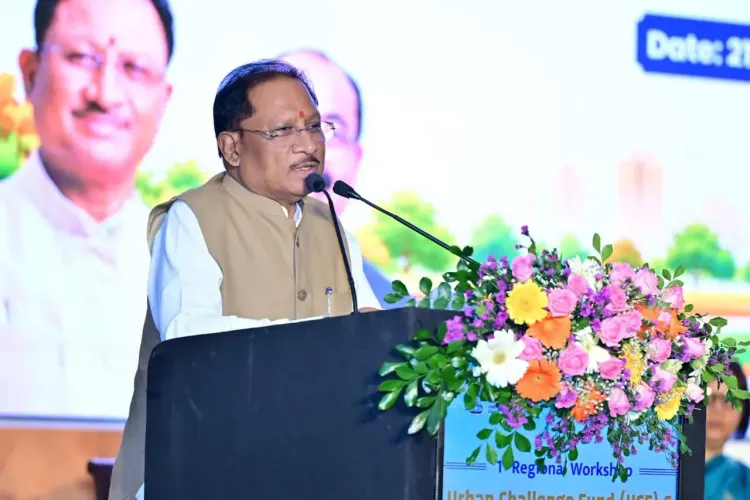
The Chhattisgarh government hosted the first regional workshop on the Urban Challenge Fund and Urban Investment Window at Nava Raipur Atal Nagar on 21 October 2026, preparing state officials and urban bodies for competitive central urban infrastructure funding.
Key Takeaways
The First Regional Workshop on UCF and UWIN was held at Nava Raipur Atal Nagar on 21 October 2026 .
The Urban Challenge Fund (UCF) distributes central urban infrastructure resources through competitive city proposals.
The Urban Investment Window (UWIN) channels organised investment flows into urban development.
Regional workshops are the standard mechanism for familiarising urban local bodies with guidelines and project-preparation norms.
CM Vishnu Deo Sai has framed the event under the state's Sushaasan Sarkar governance brand.
India's competitive urban funding model traces its lineage to the Smart Cities Mission of 2015 .
Urban infrastructure funding just got a sharper edge in central India. The Chief Minister's Office of Chhattisgarh announced on Wednesday, 21 October 2026 that the state hosted the First Regional Workshop on the Urban Challenge Fund (UCF) and Urban Investment Window (UWIN) at Nava Raipur Atal Nagar — the planned capital city built as a modern extension of Raipur.
What UCF and UWIN bring to Chhattisgarh's cities
The Urban Challenge Fund (UCF) is a central scheme that allocates infrastructure resources through competitive bidding among cities, rewarding ambition and preparation over seniority. The Urban Investment Window (UWIN) complements it by channelling organised investment flows into urban development projects. Together, they represent a significant shift in how the Centre disburses urban funds — away from formula-driven entitlements and toward merit-based competition.
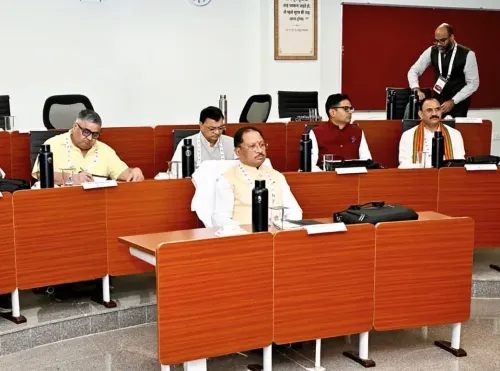
Regional workshops like the one held today are the standard mechanism for introducing state officials, urban local bodies, and municipal corporations to guidelines, eligibility norms, and project-preparation requirements. For Chhattisgarh's cities, getting this exposure early means a stronger starting position when proposals are finally submitted.
Nava Raipur as a showcase venue
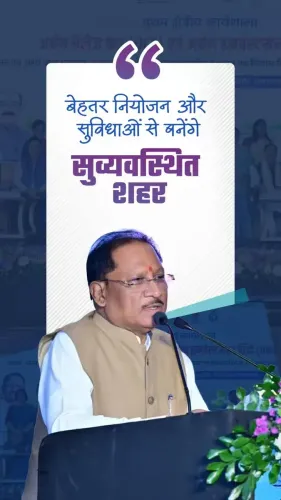
The choice of Nava Raipur Atal Nagar as the venue carries its own symbolism. The planned city — conceived as a greenfield administrative and commercial hub — is itself a product of deliberate urban investment policy, making it an apt backdrop for a discussion on next-generation urban funding architecture. Chief Minister Vishnu Deo Sai, who has led the state since December 2023 under the BJP government, has tagged the event under the banner of 'Sushaasan Sarkar' (good-governance government), signalling that urban reform sits squarely within the administration's public-messaging frame.
India's competitive urban-funding playbook
The lineage of this approach stretches back to the Smart Cities Mission of 2015, which introduced challenge-based selection to India's urban policy landscape. That experiment proved influential: competitive formats push cities to build project-preparation capacity, engage consultants, and sharpen proposals — skills that outlast any single scheme. UCF and UWIN appear to extend and deepen that philosophy, though exact funding quanta and operational guidelines are still being communicated through workshops such as this one.
Similar regional workshops are expected to roll out in other states, meaning Chhattisgarh's early-mover status could translate into a head-start on proposal quality when the submission window opens.
The real test comes when Chhattisgarh's urban bodies convert today's briefing into fundable project proposals — and whether the state can compete in a national field where preparation is everything.
Point of View
Hosting the first regional workshop on UCF and UWIN positions the state as an early mover in a competitive national field, which matters when proposal quality determines fund allocation. CM Vishnu Deo Sai's decision to brand this under 'Sushaasan Sarkar' also signals that urban reform is being packaged as a political deliverable ahead of future electoral cycles. The deeper question is whether Chhattisgarh's municipal bodies have the institutional bandwidth to translate workshop knowledge into winning project proposals.
NationPress
21 Oct 2026
Frequently Asked Questions
What is the Urban Challenge Fund (UCF) in India?
The Urban Challenge Fund is a central government scheme that allocates urban infrastructure financing competitively — cities must submit qualifying proposals rather than receive funds automatically by formula.
What is UWIN or Urban Investment Window?
The Urban Investment Window (UWIN) is a central mechanism designed to channel structured investment into urban development projects across Indian cities, complementing challenge-based funding schemes like UCF.
Where was the first UCF and UWIN regional workshop held?
The first regional workshop on UCF and UWIN was held at Nava Raipur Atal Nagar , the planned capital city of Chhattisgarh, on 21 October 2026 .
Who is Vishnu Deo Sai and what is his role in Chhattisgarh's urban development?
Vishnu Deo Sai is the Chief Minister of Chhattisgarh since December 2023, representing the BJP. His office organised the UCF-UWIN workshop as part of the state's urban governance agenda under the 'Sushaasan Sarkar' brand.
What is Nava Raipur Atal Nagar?
Nava Raipur Atal Nagar is the planned greenfield capital city of Chhattisgarh, developed as a modern administrative and commercial extension of Raipur, and serves as the seat of the state government.