SEM court orders release of CJP leaders Saurav Das, Ashutosh Ranka in Jantar Mantar case
Synopsis
Two CJP leaders detained since 13 October over the Jantar Mantar trespassing case were ordered released by a Special Executive Magistrate on 21 October, after the Delhi High Court advised them to first exhaust the lower court route. Their protest had targeted alleged irregularities in the Special Intensive Revision of electoral rolls and drew direct slogans against the Chief Election Commissioner.
Key Takeaways
SEM court ordered the release of CJP leaders Saurav Das and Ashutosh Ranka on 21 October in the Jantar Mantar trespassing case .
The two were among 14 people detained on 13 October for allegedly entering Jantar Mantar through private premises and obstructing police personnel.
The Delhi High Court allowed them to withdraw their custody challenge, with Justice Subramonium Prasad advising them to await SEM proceedings first.
SEM Ritu Raj had extended their custody on Monday citing concerns over breach of peace; the pair had allegedly breached earlier bonds furnished on 11 October .
The protest was against alleged irregularities in the Special Intensive Revision (SIR) of electoral rolls and included slogans against CEC Gyanesh Kumar .
Delhi Police had opposed the release, citing alleged repeated law violations and risk of further instigation.
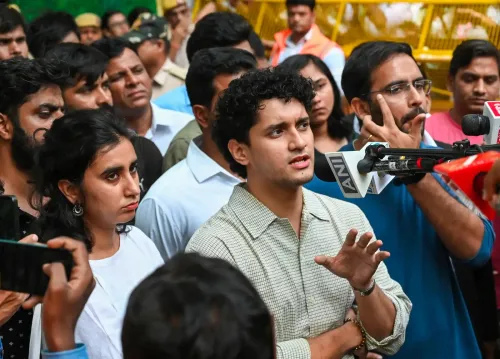
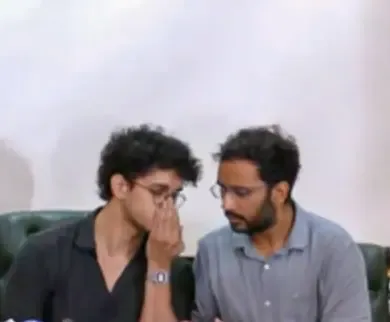
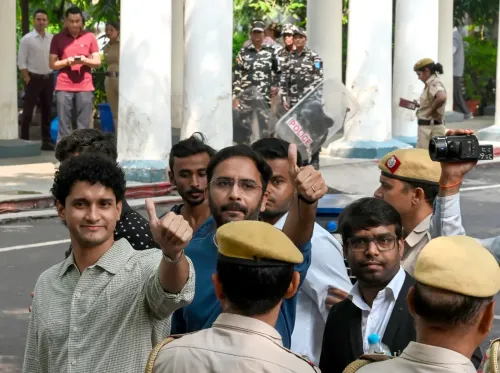
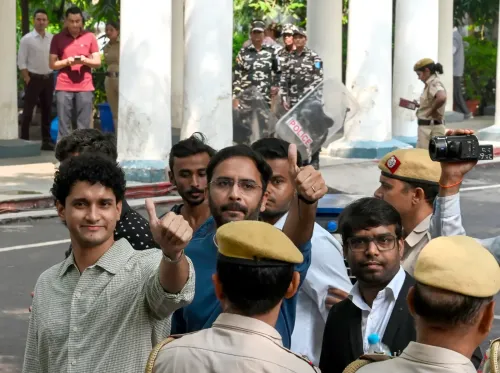
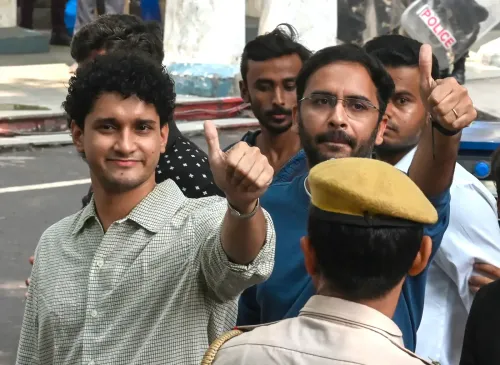
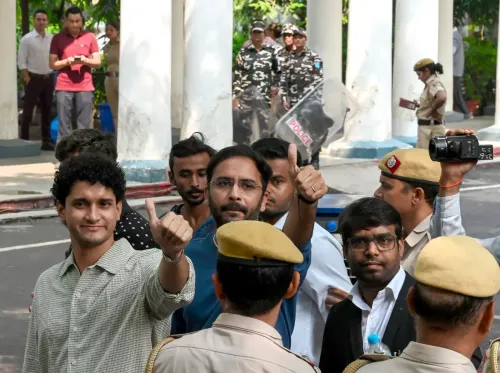
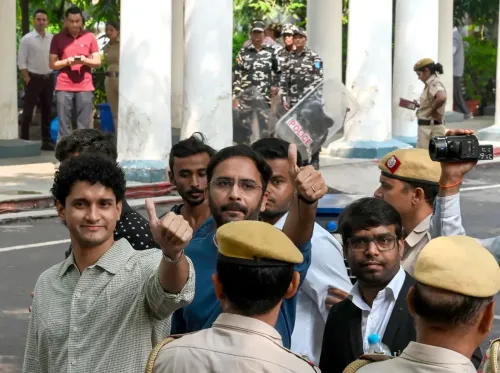
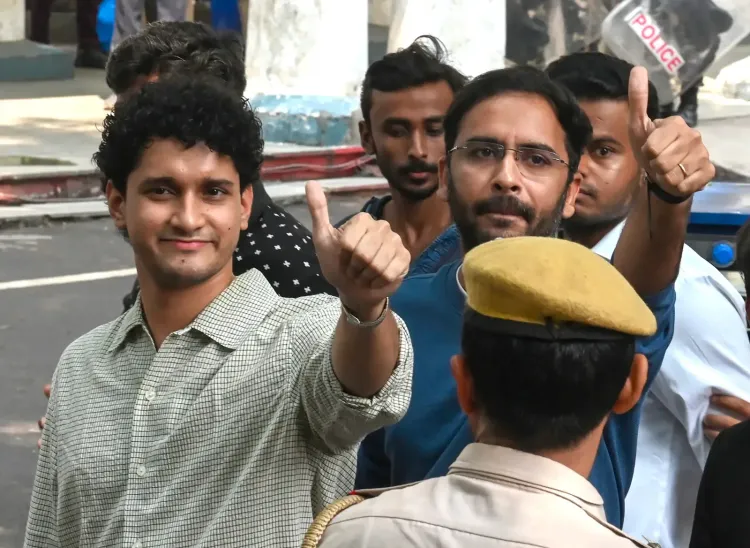
Citizens for Justice and Peace (CJP) leaders Saurav Das and Ashutosh Ranka were ordered released from judicial custody on Wednesday, 21 October, after a Special Executive Magistrate (SEM) court in New Delhi passed an order in their favour in connection with the Jantar Mantar trespassing case. The two activists had been in custody since their detention on 13 October as part of a group of 14 people who allegedly entered Jantar Mantar through private premises.
How the Release Order Came About
Das and Ranka were brought to Mandir Marg Police Station for production before the SEM court following the expiry of their previous judicial custody period. CJP Legal Affairs Head Ratna Singh arrived at the station ahead of the proceedings. The SEM court subsequently passed the order directing their release.
Earlier on Wednesday, the Delhi High Court permitted the two activists to withdraw their petition challenging the SEM court's earlier custody extension order, without expressing any opinion on the merits. A single-judge bench of Justice Subramonium Prasad had advised their counsel to first await the outcome of proceedings before the SEM court before pursuing any further legal remedy, noting that if relief came from the lower court, continuing before the High Court would serve no purpose.
Background: Detention and Custody Extension
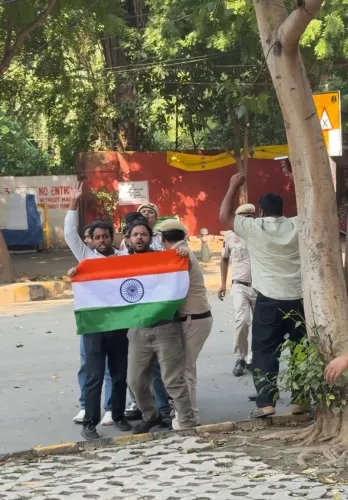
The two CJP leaders, along with CJP member Ajinkya Shinde, were among 14 people detained on 13 October after they allegedly entered Jantar Mantar through private premises and obstructed police personnel from discharging their official duties. The CJP members were reportedly protesting against alleged irregularities in the Special Intensive Revision (SIR) of electoral rolls and had raised slogans against Chief Election Commissioner (CEC) Gyanesh Kumar.
On Monday, SEM Ritu Raj had extended the judicial custody of Das and Ranka until 21 October, citing concerns that their conduct raised the likelihood of a breach of peace and disturbance of public tranquillity. The SEM's order recorded that the two leaders had allegedly breached bonds furnished before the SEM, South-West District, on 11 October, and had subsequently committed a breach of peace in the present case.
Police Opposition and Court Observations
Delhi Police had opposed the release of Das and Ranka, citing alleged repeated violations of law and apprehensions that freeing them could lead to further violations and instigate others. The SEM had also directed the duo to furnish fresh sureties after finding the earlier ones unfit following an inquiry. The magistrate cited material placed on record by the investigating officer regarding apprehensions of a breach of peace and disturbance of public tranquillity.
What the CJP Protest Was About
The CJP's protest at Jantar Mantar was centred on alleged irregularities in the Special Intensive Revision of electoral rolls, a process that has drawn scrutiny from civil society organisations. Critics argue the SIR process raises concerns about potential voter disenfranchisement. The protesters' slogans against CEC Gyanesh Kumar underline the political temperature around the electoral roll revision exercise. How authorities respond to similar protests going forward will likely be closely watched by civil liberties groups.
Point of View
Via a magistrate's order rather than a High Court intervention, is legally unremarkable — but the politics surrounding the case are not. A protest against electoral roll revisions being met with trespassing charges and police opposition to bail points to a widening tension between civil society oversight of electoral processes and law enforcement discretion. The Delhi High Court's studied neutrality — urging withdrawal without opining on merits — leaves the underlying questions about the SIR process entirely unaddressed. Whether the CJP's substantive grievances about voter roll irregularities receive any institutional scrutiny remains the more consequential thread.
NationPress
21 Oct 2026
Frequently Asked Questions
Why were CJP leaders Saurav Das and Ashutosh Ranka in judicial custody?
Das and Ranka were detained on 13 October as part of a group of 14 people who allegedly entered Jantar Mantar through private premises and obstructed police personnel. They were in judicial custody in connection with this trespassing case, with the SEM having extended their custody on Monday citing concerns over breach of peace.
What did the SEM court order on 21 October?
The Special Executive Magistrate court ordered the release of Saurav Das and Ashutosh Ranka from judicial custody on 21 October, after their production before the court following the expiry of the previous custody period.
What role did the Delhi High Court play in this case?
The Delhi High Court, through a single-judge bench of Justice Subramonium Prasad, permitted Das and Ranka to withdraw their petition challenging the SEM court's custody extension, without commenting on the merits. The court advised them to first await the SEM proceedings, noting that if they got relief there, continuing before the High Court would be unnecessary.
What was the CJP protest at Jantar Mantar about?
The Citizens for Justice and Peace members were reportedly protesting against alleged irregularities in the Special Intensive Revision (SIR) of electoral rolls. They also raised slogans against Chief Election Commissioner Gyanesh Kumar during the demonstration.
Why did Delhi Police oppose the release of the two activists?
Delhi Police cited alleged repeated violations of law by the duo and expressed apprehensions that their release could lead to further violations and instigate others. The SEM had also noted that the activists had allegedly breached bonds furnished on 11 October.