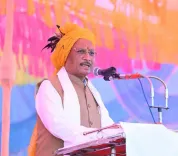
Pralhad Joshi hosts AgriVoltaics summit in New Delhi

Synopsis
Union Minister Pralhad Joshi convened a New Delhi AgriVoltaics conclave on October 21, 2026, gathering global innovators and farmers to advance dual-use solar-farming models aimed at securing rural livelihoods and meeting India's clean-energy targets.
Key Takeaways
Union Minister Pralhad Joshi hosted a dedicated AgriVoltaics conclave in New Delhi on October 21, 2026 .
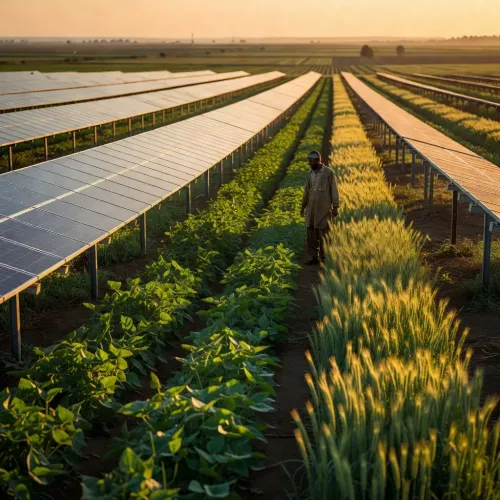
AgriVoltaics co-locates solar panels on active farmland, allowing simultaneous electricity generation and crop production on the same acreage.
The event brought together global experts, innovators, and farmers , signalling a move toward stakeholder-tested models beyond lab pilots.
The policy builds on the PM-KUSUM scheme (2019) , which first linked solar energy to agricultural income under the Ministry of New and Renewable Energy.
Joshi holds dual charge of Consumer Affairs and New and Renewable Energy , placing food security and solar policy in the same ministerial hands.
Follow-up announcements on pilot approvals or funding mechanisms under existing renewable schemes are the immediate policy watch-point.
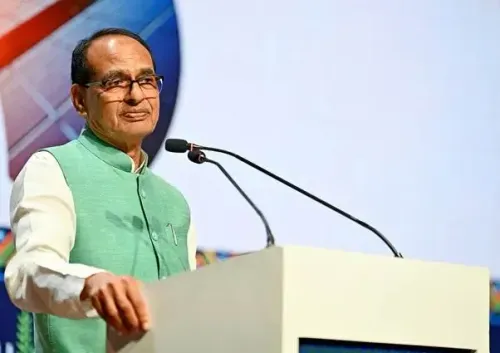
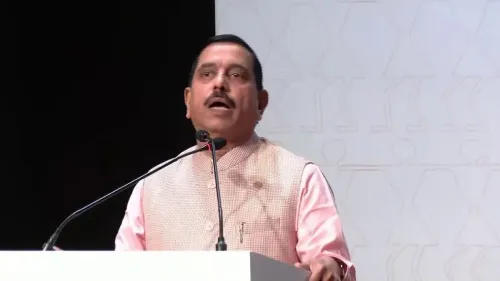
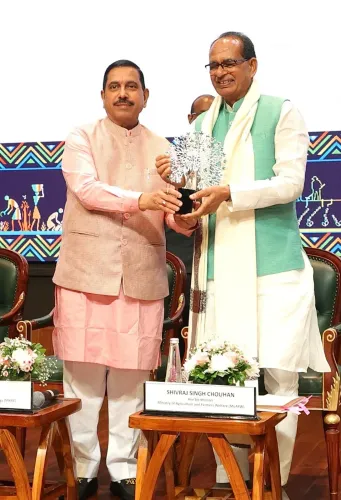
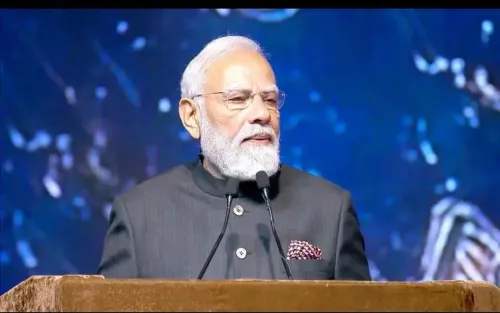
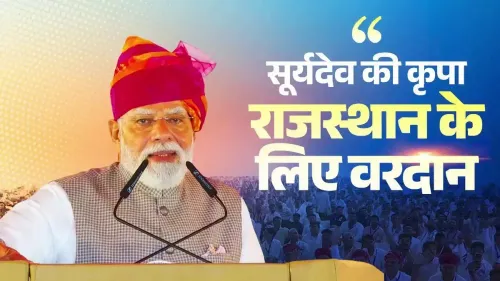
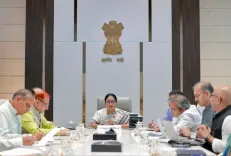
Where a solar panel ends and a farm begins — that boundary is exactly what Union Minister Pralhad Joshi wants to erase. On Wednesday, October 21, 2026, Joshi welcomed global experts, innovators, and farmers to New Delhi for a dedicated AgriVoltaics conclave, framing the dual-use technology as India's answer to a stubborn twin challenge: keeping fields productive while accelerating the clean-energy transition.
Solar panels above, crops below — what AgriVoltaics actually means
AgriVoltaics is the practice of co-locating solar photovoltaic installations on agricultural land so that the same acreage simultaneously generates electricity and yields crops. Elevated panel arrays allow sunlight, rainwater, and farm machinery to pass beneath, while the shade they cast can reduce moisture stress on certain crops during summer months. The concept directly addresses one of India's sharpest renewable-energy bottlenecks: land scarcity. With over 600 million people dependent on agriculture, diverting farmland purely for solar has long been a political and practical non-starter.
PM-KUSUM's foundation and the road to dual-use fields
The policy groundwork stretches back to 2019, when the government launched the Pradhan Mantri Kisan Urja Suraksha evam Utthaan Mahabhiyan (PM-KUSUM) scheme under the Ministry of New and Renewable Energy. PM-KUSUM set out to solarise irrigation pumps, add grid-connected capacity on barren or fallow land, and supplement farmer incomes with energy revenues. AgriVoltaics is the logical next layer — moving from idle land to active farmland, and from supplementing income to structurally reshaping rural energy economics.
Joshi, who holds dual charge of Consumer Affairs, Food and Public Distribution alongside New and Renewable Energy, is uniquely positioned to straddle both sides of this equation. His ministry controls solar policy; his other portfolio is constitutionally bound to food security. The AgriVoltaics frame lets him speak to both mandates in a single sentence.
What the New Delhi conclave signals for farmers and investors
The presence of 'progressive farmers' — Joshi's own phrase — alongside global technical experts at the conclave suggests the government is moving beyond whiteboard pilots toward stakeholder-tested models. The immediate question for both the renewable sector and farm communities is whether follow-up announcements will define funding windows, grid-connectivity guarantees, or dedicated agrivoltaic guidelines under existing schemes.
For rural households, the promise is tangible: a field that earns from the sun even in a poor monsoon year. For India's clean-energy ambitions, it is an elegant workaround to the land-acquisition gridlock that has stalled gigawatt-scale solar parks. Whether today's conclave crystallises into concrete pilot approvals will determine whether AgriVoltaics stays a buzzword or becomes the next chapter of PM-KUSUM.
Point of View
Leveraging the PM-KUSUM scaffolding already in place. Joshi's dual portfolio — food security on one side, renewable energy on the other — gives the initiative rare ministerial coherence that earlier solar-land debates lacked. Convening farmers alongside technical experts also reflects a political calculation: rural buy-in is the one variable that has historically derailed large-scale land-use reforms in India. If concrete funding or pilot guidelines follow, this could mark a meaningful inflection in India's race to reconcile its agricultural identity with its clean-energy ambitions.
NationPress
21 Oct 2026
Frequently Asked Questions
What is AgriVoltaics and how does it work in India?
AgriVoltaics involves installing solar panels above or alongside cropland so that the same plot generates both electricity and agricultural produce. In India, elevated panel structures allow irrigation, machinery, and partial sunlight to reach crops underneath, addressing land-scarcity constraints on large-scale solar deployment.
What is the PM-KUSUM scheme and how does it relate to AgriVoltaics?
PM-KUSUM (Pradhan Mantri Kisan Urja Suraksha evam Utthaan Mahabhiyan), launched in 2019, aims to solarise farm pumps and add renewable capacity on fallow land while supplementing farmer incomes. AgriVoltaics extends this logic to active cropland, treating solar generation as an additional income layer rather than a land-use trade-off.
Why did Pralhad Joshi host the AgriVoltaics event in New Delhi?
As the Union Minister holding both New and Renewable Energy and Consumer Affairs portfolios, Joshi is positioned to link clean-energy policy directly to food security. The New Delhi conclave on October 21, 2026 brought global experts and farmers together to advance dual-use solar-farming models under this integrated mandate.
How does AgriVoltaics help Indian farmers' livelihoods?
By generating solar power on the same land used for crops, farmers can earn electricity revenues even during poor harvest years, effectively diversifying their income. Panel shading can also reduce crop water stress in hot months, potentially improving yield stability.
What should I watch for after the 2026 AgriVoltaics conclave?
Key follow-ups include government announcements on pilot project approvals, dedicated agrivoltaic guidelines under PM-KUSUM or other schemes, and funding mechanisms to help farmers finance panel installations on their land.