Delhi Metro closes 16 stations as Jantar Mantar protest grips central Delhi
Synopsis
Central Delhi ground to a halt on 22 July as 16 Metro stations were shuttered amid a protest at Jantar Mantar demanding Education Minister Dharmendra Pradhan's resignation over NEET-UG paper leaks. With Sonam Wangchuk's hunger strike entering its 25th day and Union Ministers visiting him at ICU, the capital is managing two simultaneous pressure points — one on the streets, one in a hospital room.
Key Takeaways
16 Delhi Metro stations were closed on 22 July due to heightened security around the Jantar Mantar protest.
Interchange facilities at Rajiv Chowk , Mandi House , and Central Secretariat remained operational for transfers.
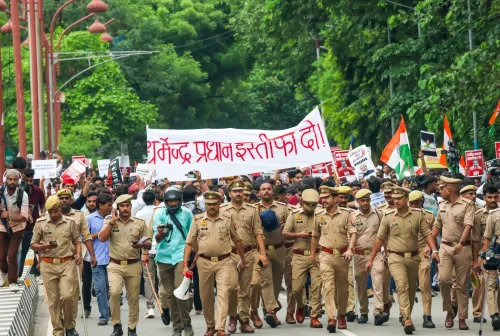
Protesters, including CJP supporters and students, marched toward Parliament demanding Education Minister Dharmendra Pradhan's resignation over NEET-UG irregularities.
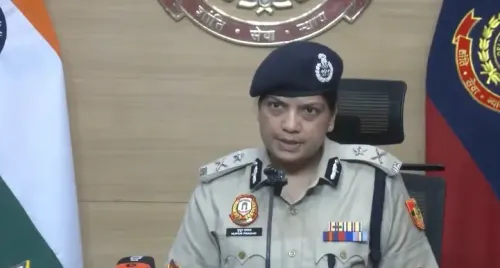
Delhi Police are investigating violence that broke out during the Monday march.
Climate activist Sonam Wangchuk was shifted to Medanta Hospital, Gurugram and admitted to the ICU ; his hunger strike entered its 25th day on Wednesday.
Union Ministers J.P.
Nadda and Jitendra Singh met Wangchuk at Medanta on Tuesday night per a Delhi High Court order.
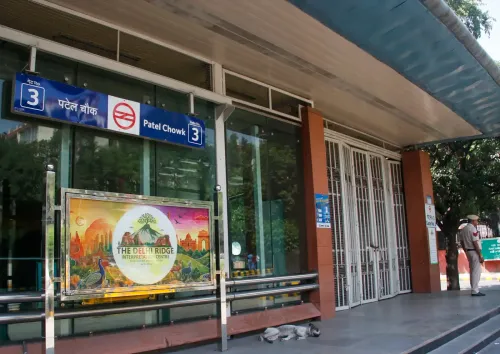
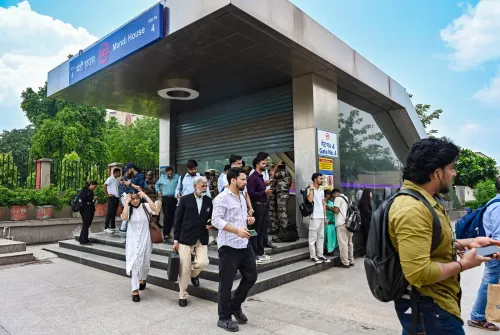
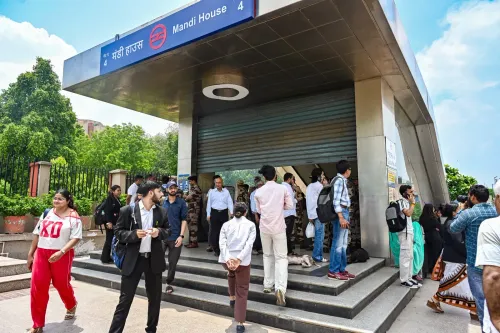
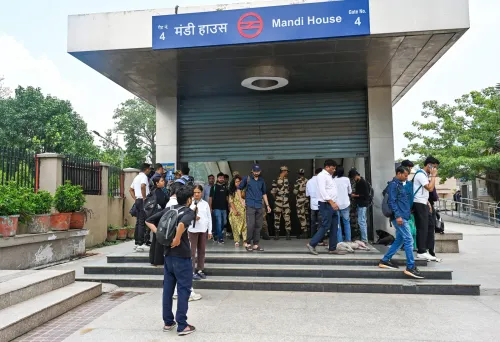
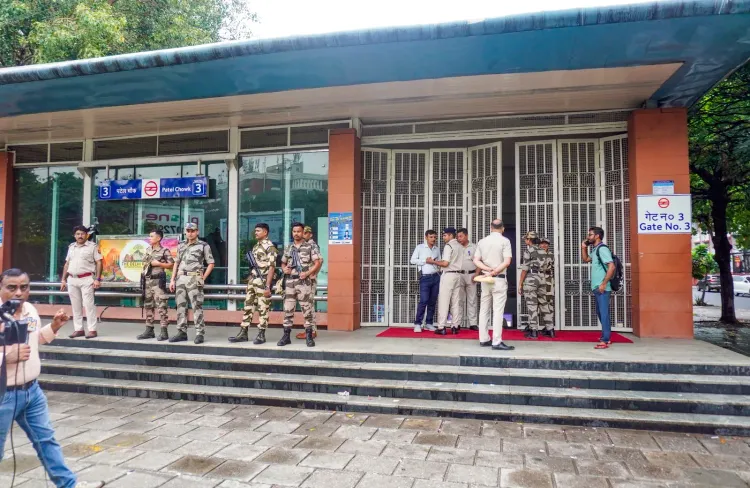
Sixteen Delhi Metro stations in central New Delhi were shut on Wednesday, 22 July, as authorities enforced heightened security in response to ongoing demonstrations at Jantar Mantar. The closures, announced by the Delhi Metro Rail Corporation (DMRC), affected key interchange hubs and arterial corridors connecting the city's political and commercial heart.
Which Stations Were Closed
The DMRC shuttered 16 stations across central Delhi, including Lok Kalyan Marg, Rajiv Chowk, Patel Chowk, Ramakrishna Ashram Marg, Barakhambha Road, Supreme Court, Seva Teerth, Janpath, Mandi House, Central Secretariat, ITO, Delhi Gate, Indraprastha, Khan Market, Jor Bagh, and Shivaji Stadium. The corporation clarified that interchange facilities at Rajiv Chowk, Mandi House, and Central Secretariat remained operational to allow passengers to transfer between lines despite the full station closures.
What Triggered the Protests
The disruptions stem from violent demonstrations that broke out on Monday, when thousands of supporters of the Cockroach Janata Party (CJP) and students marched from Jantar Mantar toward Parliament. Protesters demanded the resignation of Union Education Minister Dharmendra Pradhan over recurring examination irregularities, including alleged paper leaks in the NEET-UG examination. The agitation drew students, opposition leaders, and civil society activists calling for systemic accountability in India's education framework. Delhi Police have assured a thorough investigation into the violence that accompanied the march.
Security Posture and Administrative Response
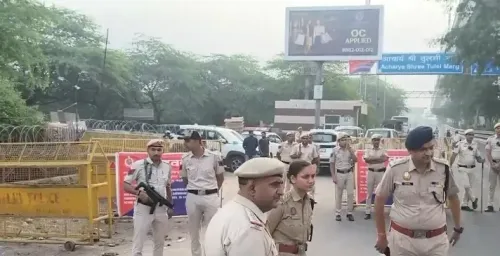
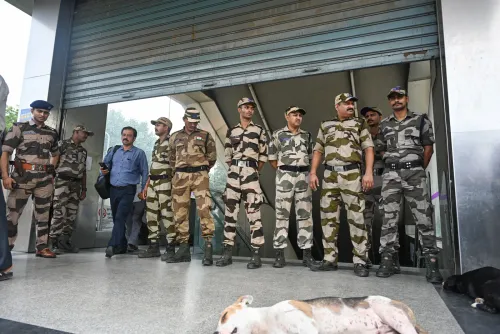
Security forces have been deployed in strength across the protest zone and adjoining areas to maintain law and order. The metro closures are part of a broader containment strategy to limit crowd movement toward sensitive government buildings. This is not the first time central Delhi Metro stations have been shut during large-scale protests — similar closures were enforced during the farmers' agitation in 2020-21 and during the CAA demonstrations.
Sonam Wangchuk's Hunger Strike Enters Day 25
Separately, but against the same backdrop of political tension in the capital, climate activist and innovator Sonam Wangchuk marked the 25th day of his indefinite hunger strike on Wednesday. On Tuesday night, Union Ministers J.P. Nadda and Jitendra Singh visited Wangchuk at Medanta Hospital in Gurugram, where he had been shifted from Safdarjung Hospital in New Delhi for further treatment. The transfer was carried out in compliance with a Delhi High Court order, with Wangchuk arriving at Medanta by ambulance under tight security. He was admitted to the hospital's Intensive Care Unit (ICU) under the care of Dr Sushila Kataria, an internal medicine specialist, according to hospital officials.
What Happens Next
Metro services are expected to be restored progressively as the security situation stabilises, though no official timeline has been confirmed. The Jantar Mantar protest site remains under watch, with authorities monitoring for any fresh escalation. The government's next move on the NEET-UG irregularities controversy — and whether it addresses protesters' core demand for Pradhan's resignation — is likely to determine whether demonstrations intensify or wind down in the coming days.
Point of View
Surviving initial deflection and now spilling into street violence. Shutting Metro stations is a short-term containment tool; addressing the credibility deficit in examination governance is the only durable solution. On Wangchuk, the ministerial visit reads as crisis management rather than resolution — his demands remain unaddressed even as his health deteriorates publicly.
NationPress
21 Oct 2026
Frequently Asked Questions
Which Delhi Metro stations were closed on 22 July 2025?
The DMRC closed 16 stations: Lok Kalyan Marg, Rajiv Chowk, Patel Chowk, Ramakrishna Ashram Marg, Barakhambha Road, Supreme Court, Seva Teerth, Janpath, Mandi House, Central Secretariat, ITO, Delhi Gate, Indraprastha, Khan Market, Jor Bagh, and Shivaji Stadium. Interchange facilities at Rajiv Chowk, Mandi House, and Central Secretariat remained available for passenger transfers.
Why were Delhi Metro stations closed today?
The closures were ordered amid heightened security surrounding protests at Jantar Mantar, where thousands of CJP supporters and students marched toward Parliament demanding Education Minister Dharmendra Pradhan's resignation over NEET-UG paper leak allegations. Violence broke out during the Monday march, prompting authorities to restrict movement near sensitive government areas.
What is the NEET-UG controversy that sparked the protests?
Protesters allege recurring examination irregularities, including paper leaks, in the NEET-UG medical entrance examination. They are demanding the resignation of Union Education Minister Dharmendra Pradhan and systemic accountability in India's examination governance framework.
What is Sonam Wangchuk's current condition?
Sonam Wangchuk, who has been on an indefinite hunger strike, was shifted from Safdarjung Hospital in New Delhi to Medanta Hospital in Gurugram and admitted to the ICU under Dr Sushila Kataria. His strike entered its 25th day on Wednesday. Union Ministers J.P. Nadda and Jitendra Singh visited him on Tuesday night in compliance with a Delhi High Court order.
Will Delhi Metro services resume at the closed stations?
The DMRC has not announced a specific timeline for restoring full services at the 16 closed stations. Resumption is expected to depend on the security situation at Jantar Mantar and surrounding areas stabilising.