Delhi Metro all 16 stations reopen after CJP Jantar Mantar protest
Synopsis
Sixteen central Delhi Metro stations were shut and then gradually reopened on 22 July as the Cockroach Janta Party's NEET paper leak protest at Jantar Mantar kept security on edge — with the party simultaneously urging hunger-striking activist Sonam Wangchuk to stand down, even as it pledged to continue its own agitation.
Key Takeaways
DMRC reopened all 16 closed central Delhi metro stations on Wednesday evening, 22 July .
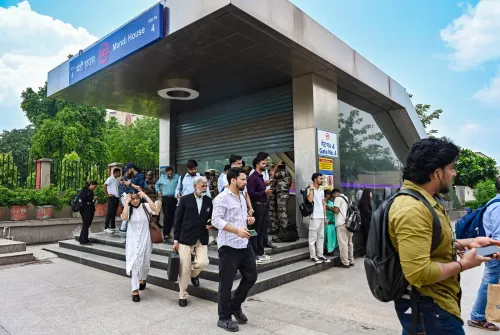
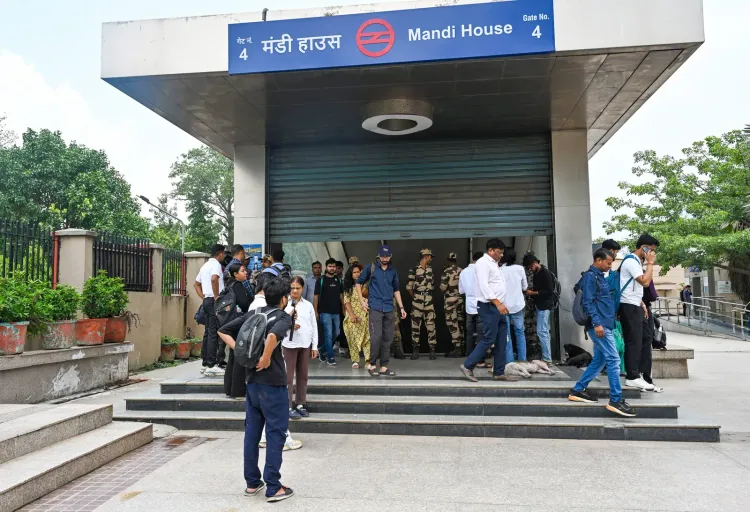
Stations including Rajiv Chowk , Central Secretariat , and Khan Market had been shut since Wednesday morning due to the Jantar Mantar protest.
The Cockroach Janta Party (CJP) vowed to continue its agitation demanding Union Education Minister Dharmendra Pradhan's resignation over NEET-UG paper leaks .
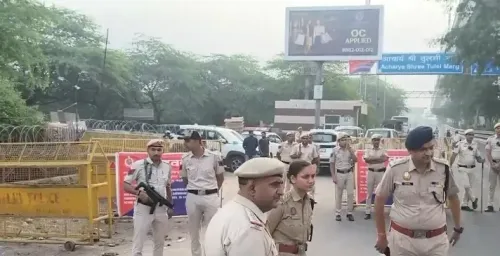
Delhi Police faced allegations of brutality against protesters after violence on Monday and has promised an investigation.
CJP wrote to climate activist Sonam Wangchuk on Wednesday, urging him to end his 25-day hunger strike linked to the same agitation.
The Delhi Metro Rail Corporation (DMRC) announced on Wednesday evening, 22 July that all sixteen metro stations shuttered earlier in the day across central New Delhi had been reopened for public use, hours after the Cockroach Janta Party (CJP) vowed to press on with its agitation at Jantar Mantar over recurring examination irregularities, including the NEET-UG paper leak. The phased reopening marks a partial easing of one of the capital's most disruptive single-day transit shutdowns in recent memory.
Phased Reopening of Stations
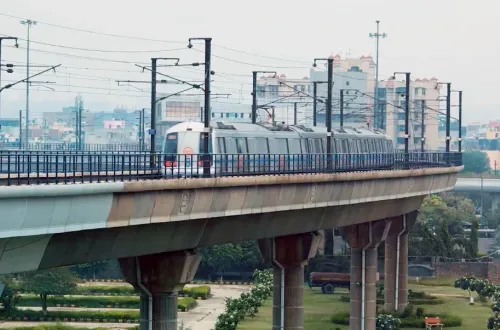
The DMRC carried out the reopening in stages. Mandi House and Central Secretariat metro stations were the first to resume normal operations, followed by Jhandewalan station. In a post on social media platform X, the DMRC confirmed: 'All stations of the Delhi Metro network are now open for passenger services.'
Throughout the day, the corporation had maintained that interchange facilities at Rajiv Chowk, Mandi House, and Central Secretariat would remain operational to allow passenger transfers even while full station closures were in effect — a limited concession to commuters dependent on line connections.
Which Stations Were Closed and Why
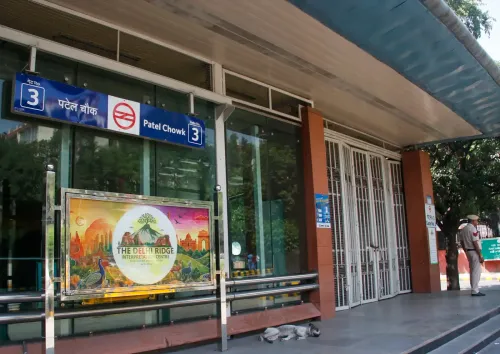
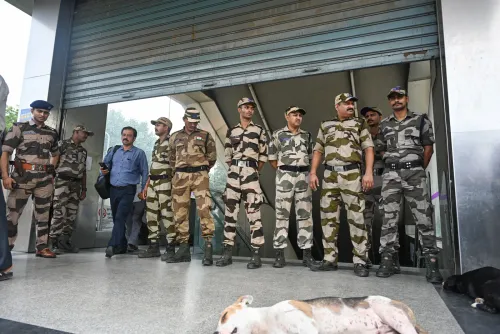
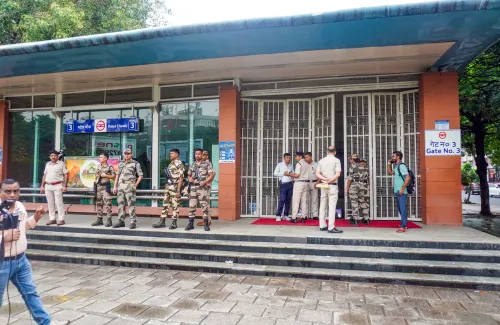
Since Wednesday morning, entry and exit gates at sixteen central Delhi stations were sealed amid heightened security deployments. The affected stations were Lok Kalyan Marg, Rajiv Chowk, Patel Chowk, Ramakrishna Ashram Marg, Barakhambha Road, Supreme Court, Seva Teerth, Janpath, Mandi House, Central Secretariat, ITO, Delhi Gate, Indraprastha, Khan Market, Jor Bagh, and Shivaji Stadium.
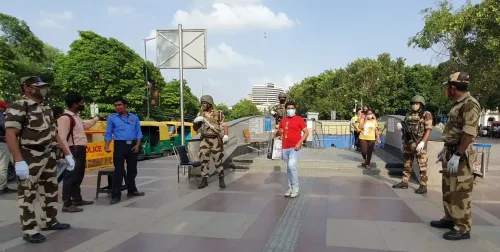
The closures were a direct response to the Jantar Mantar protest, where students, opposition leaders, and activists had gathered to demand accountability in the education system. The concentration of sensitive government and institutional buildings along this metro corridor — including Parliament and the Supreme Court — prompted authorities to take precautionary measures.
Background: The NEET Protest and Monday's Violence
The demonstrations intensified after violent clashes broke out on Monday, when scores of agitators led by the Cockroach Janta Party marched from Jantar Mantar towards Parliament, demanding the resignation of Union Education Minister Dharmendra Pradhan over the NEET-UG paper leak and broader examination irregularities. The Delhi Police, which faced criticism over alleged brutality against protesters, has since assured a thorough investigation into the violence. Security in the area remains heightened.
CJP Letter to Sonam Wangchuk
In a parallel development on Wednesday, the Cockroach Janta Party wrote a letter to climate activist Sonam Wangchuk, urging him to end his 25-day hunger strike — a fast that has become a focal point of the broader agitation demanding Dharmendra Pradhan's resignation over the paper leak controversy. The party, however, confirmed it would not stand down from its own protest at Jantar Mantar.
What Comes Next
With the metro network restored and security still elevated, the immediate pressure point shifts back to the protest site. Whether authorities move to disperse the ongoing agitation or engage with CJP's demands around examination reform will determine how the situation evolves in the coming days.
Point of View
And until there is a credible institutional response, the conditions for further unrest remain firmly in place.
NationPress
21 Oct 2026
Frequently Asked Questions
Why were Delhi Metro stations closed on 22 July 2025?
Sixteen central Delhi Metro stations were closed on 22 July as a precautionary security measure amid the Cockroach Janta Party's ongoing protest at Jantar Mantar over NEET-UG paper leaks and exam irregularities. Authorities cited heightened security requirements near Parliament and other sensitive institutions along the corridor.
Which Delhi Metro stations were closed during the protest?
The sixteen stations whose entry and exit gates were shut included Lok Kalyan Marg, Rajiv Chowk, Patel Chowk, Ramakrishna Ashram Marg, Barakhambha Road, Supreme Court, Seva Teerth, Janpath, Mandi House, Central Secretariat, ITO, Delhi Gate, Indraprastha, Khan Market, Jor Bagh, and Shivaji Stadium.
What is the Cockroach Janta Party protesting about?
The Cockroach Janta Party is demanding the resignation of Union Education Minister Dharmendra Pradhan over recurring examination irregularities, including the NEET-UG paper leak. The protests, centred at Jantar Mantar in New Delhi, have drawn students, opposition leaders, and activists calling for accountability in the education system.
What happened during the violent protests on Monday?
On Monday, agitators led by the Cockroach Janta Party marched from Jantar Mantar towards Parliament, and violent clashes broke out. Delhi Police faced allegations of brutality against protesters and has since assured a thorough investigation into the violence.
Who is Sonam Wangchuk and what is his role in the protest?
Sonam Wangchuk is a climate activist whose 25-day hunger strike has become a focal point of the broader agitation demanding Education Minister Dharmendra Pradhan's resignation over the NEET paper leak. The Cockroach Janta Party wrote to him on Wednesday urging him to end the fast, even as the party itself pledged to continue protesting.