Delhi Metro gates reopen as CJP calls off Jantar Mantar protest
Synopsis
All 18 shuttered Delhi Metro stations reopened on 25 July after the CJP ended its Jantar Mantar sit-in — but only after the Centre conceded on FIR withdrawals and compensation for NEET-linked deaths. The resolution, brokered in a third round of talks, signals a significant government climbdown on one of the year's most politically charged student agitations.
Key Takeaways
DMRC reopened all 18 closed Metro stations in central Delhi on 25 July after the CJP called off its Jantar Mantar agitation.
The Centre agreed to withdraw all police cases against protesting students and provide written FIR withdrawal confirmations .
The government also committed to the highest possible compensation for families of students who died in incidents linked to the alleged NEET paper leak .
Union Education Minister Dharmendra Pradhan resigned earlier on Saturday , a development that preceded the partial Metro service restoration.
The agreement was reached in the third round of talks between JP Nadda , Jitendra Singh , and CJP representatives Saurav Das and Ashutosh Ranka .
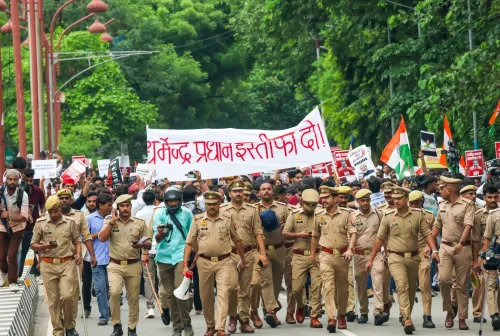
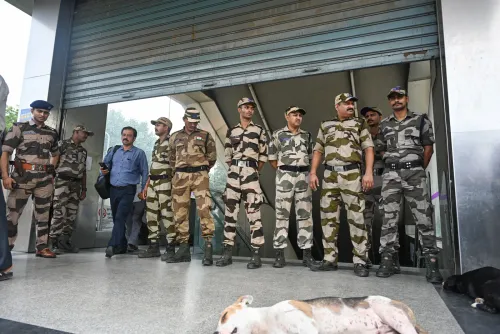
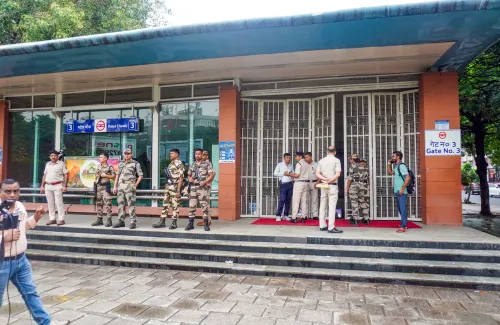
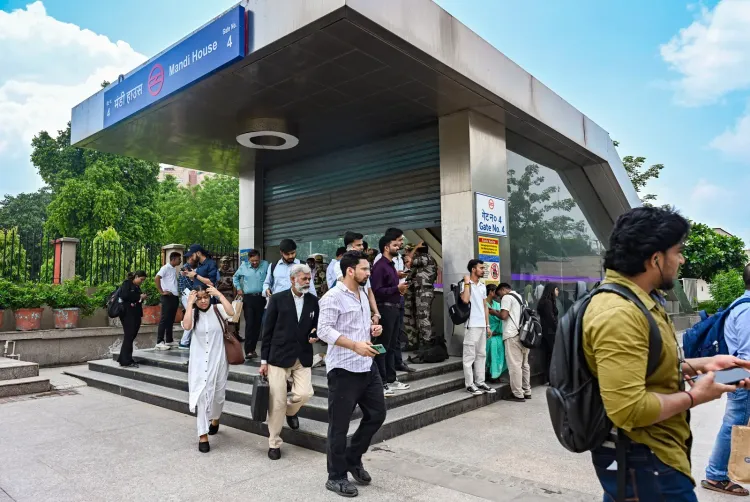
The Delhi Metro Rail Corporation (DMRC) reopened entry gates at all stations across its network on Saturday, 25 July, shortly after the Cockroach Janta Party (CJP) called off its agitation at Jantar Mantar, New Delhi. The closure, which had affected 18 stations in central Delhi, was lifted following the resolution of a standoff over the NEET paper leak controversy.
DMRC Restores Full Services
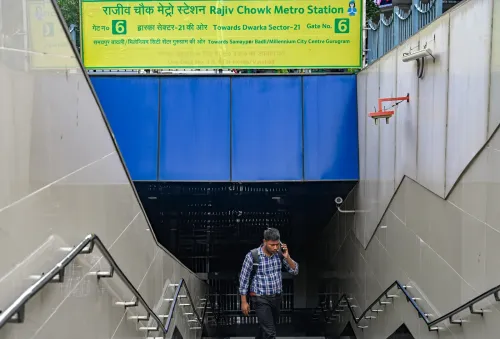
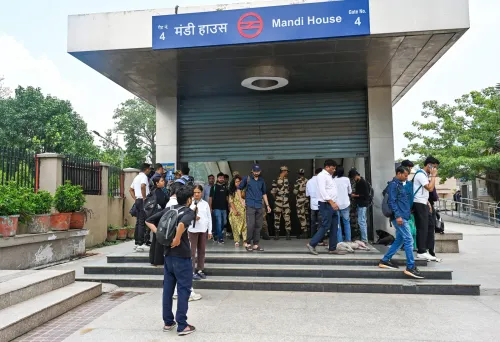
In a post on X, DMRC confirmed: 'Entry gates of all Metro Stations of the Delhi Metro network are now open.' The announcement came in stages — earlier in the afternoon, services had been partially restored at Rajiv Chowk, Mandi House, and Central Secretariat stations following Union Education Minister Dharmendra Pradhan's resignation.
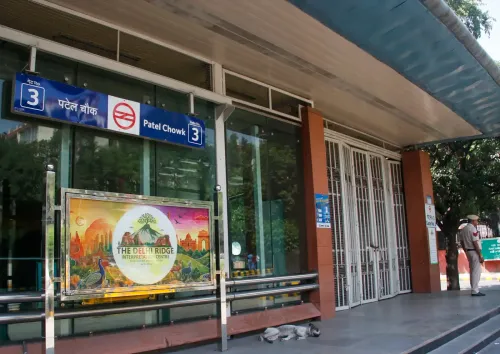
The 18 stations that had been shut included Lok Kalyan Marg, Patel Chowk, Ramakrishna Ashram Marg, Barakhambha Road, Supreme Court, Seva Teerth, Janpath, ITO, Delhi Gate, Indraprastha, Khan Market, Jor Bagh, Shivaji Stadium, Jhandewalan, and New Delhi stations, among others.
Centre Accepts Key Demands, Protest Called Off
The CJP announced it was ending the sit-in at Jantar Mantar after the third round of talks between Union Health Minister JP Nadda, Union Minister Jitendra Singh, and CJP representatives Saurav Das and Ashutosh Ranka concluded with the Centre agreeing to the protesters' key demands.
At a joint press conference in New Delhi, Nadda stated that the government had agreed to withdraw all police cases filed against protesting students, provide written confirmation of the FIR withdrawals, and ensure the highest possible compensation for families of students who died in incidents linked to the alleged paper leak controversy.
What CJP Leaders Said
Addressing protesters, Saurav Das urged students to end the agitation and return home, saying the government had accepted all demands raised during the protest and there was no further reason to continue the sit-in. CJP leaders maintained that the Centre's assurances were comprehensive and addressed every grievance raised at Jantar Mantar.
Background: NEET Protests and the Metro Shutdown
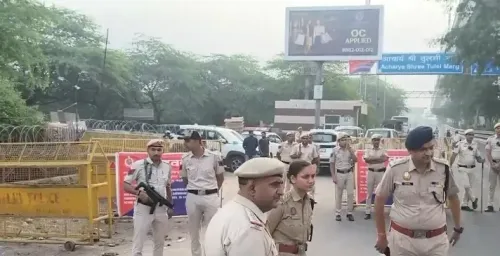
The DMRC had announced the temporary closure of 18 stations earlier on Saturday, citing heightened security arrangements in view of the student demonstrations near Jantar Mantar over the alleged NEET paper leak. The closures disrupted commutes for thousands of daily passengers across central Delhi. This is not the first time Metro services in the capital have been curtailed during large-scale protests — a pattern that has drawn recurring criticism from commuters and civil society groups.
With the protest resolved and Metro services fully restored, attention now shifts to whether the Centre follows through on its written commitments — particularly the FIR withdrawals and compensation for affected families.
Point of View
Written guarantees, and compensation commitments — is a notable climbdown, and it took a minister's resignation to get there. What is less clear is the enforcement mechanism: written assurances from the government have, in past protest resolutions, not always translated into timely action. The NEET controversy has exposed systemic vulnerabilities in India's high-stakes examination infrastructure, and the political resolution at Jantar Mantar, while welcome, does not address those structural failures. Commuters who bore the disruption of 18 closed Metro stations deserve a clearer answer on why security arrangements consistently default to shutting public transit rather than managing crowds at the protest site itself.
NationPress
24 Oct 2026
Frequently Asked Questions
Why were Delhi Metro stations closed on 25 July?
The DMRC temporarily shut 18 stations across central Delhi on 25 July, citing heightened security arrangements due to student protests near Jantar Mantar over the alleged NEET paper leak. The closures affected major hubs including Rajiv Chowk, Mandi House, and Central Secretariat.
Which Delhi Metro stations were closed during the NEET protest?
Eighteen stations were shut, including Lok Kalyan Marg, Rajiv Chowk, Patel Chowk, Ramakrishna Ashram Marg, Barakhambha Road, Supreme Court, Seva Teerth, Janpath, Mandi House, Central Secretariat, ITO, Delhi Gate, Indraprastha, Khan Market, Jor Bagh, Shivaji Stadium, Jhandewalan, and New Delhi stations.
What demands did the Centre accept to end the CJP protest?
The Centre agreed to withdraw all police cases filed against protesting students, provide written confirmation of the FIR withdrawals, and ensure the highest possible compensation for families of students who died in incidents linked to the alleged NEET paper leak controversy.
Who represented the CJP in talks with the government?
CJP representatives Saurav Das and Ashutosh Ranka participated in three rounds of talks with Union Health Minister JP Nadda and Union Minister Jitendra Singh before the agreement was reached.
What role did Dharmendra Pradhan's resignation play?
Union Education Minister Dharmendra Pradhan resigned earlier on Saturday, after which the DMRC partially restored services at Rajiv Chowk, Mandi House, and Central Secretariat. Full restoration followed once the CJP formally called off the agitation.