DMRC reopens Rajiv Chowk, Mandi House, Central Secretariat stations amid NEET protests
Synopsis
Delhi Metro shut 18 central stations over NEET protest security — then partially reversed course, reopening Rajiv Chowk, Mandi House and Central Secretariat the same day. The disruption coincided with Education Minister Dharmendra Pradhan's resignation, making 25 July a turning point in the NEET paper leak crisis.
Key Takeaways
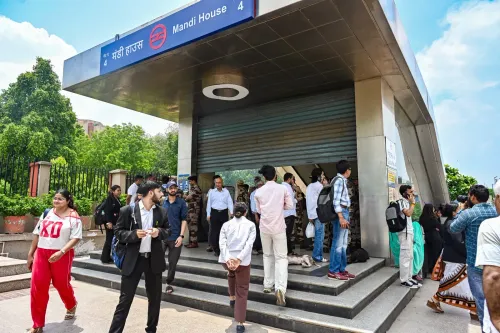
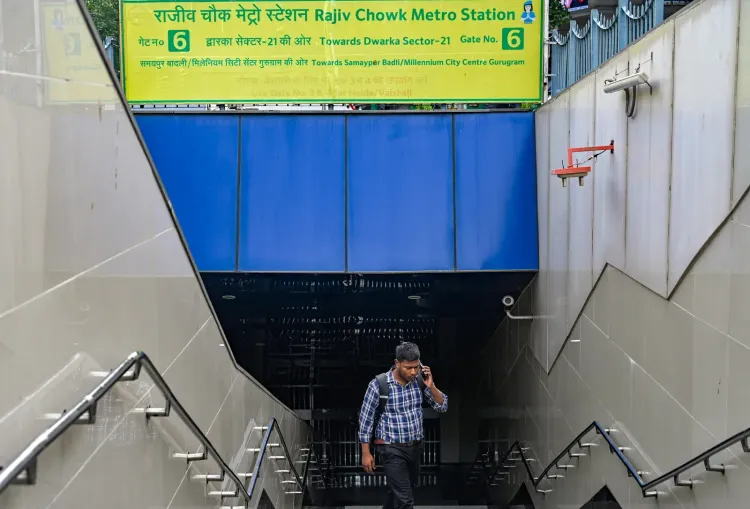
The DMRC reopened Rajiv Chowk , Mandi House , and Central Secretariat stations on 25 July after a temporary closure.
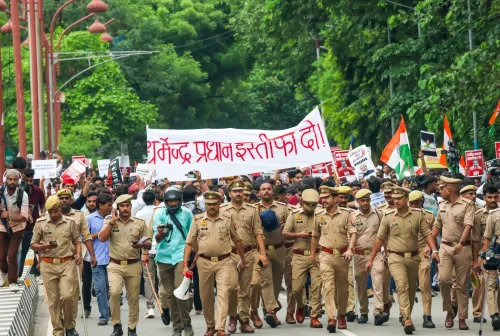
18 central Delhi metro stations were shut earlier on Saturday due to security arrangements around NEET paper leak protests near Jantar Mantar .
Dharmendra Pradhan resigned as Union Education Minister on the same day, citing accountability over examination irregularities.
Pradhan said he was 'pained by the events of the past ten days' and framed the resignation as protecting students from legal and political fallout.
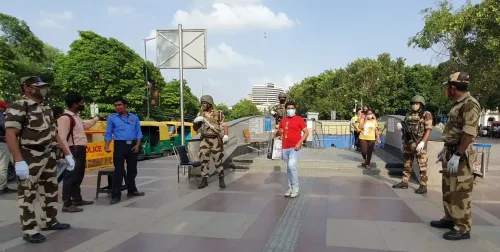
The remaining 15 closed stations had not been reopened as of the latest update; security deployments remain in place.
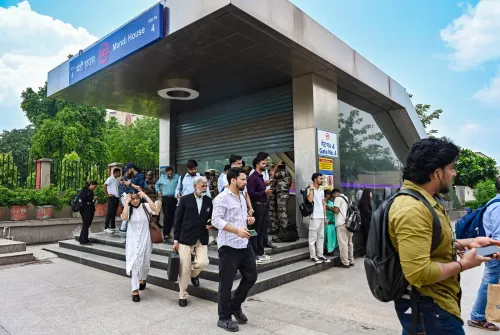
The Delhi Metro Rail Corporation (DMRC) on Saturday, 25 July announced the resumption of services at Rajiv Chowk, Mandi House, and Central Secretariat metro stations, hours after temporarily shutting 18 stations across central Delhi in response to heightened security arrangements around student protests near Jantar Mantar over the NEET paper leak controversy.
Stations Reopened
'Entry gates for Rajiv Chowk, Mandi House and Central Secretariat metro stations are now open,' the DMRC said in its latest update. The partial reopening came as security agencies reassessed ground conditions following a fluid morning of demonstrations in the capital.
The three stations are among the most strategically significant on the network — Rajiv Chowk is Delhi Metro's busiest interchange, while Central Secretariat serves the government quarter and Mandi House connects key cultural and institutional zones.
Which Stations Were Shut and Why
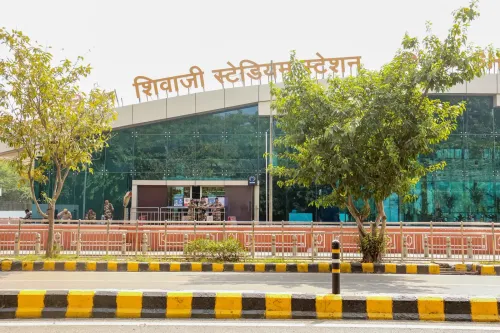
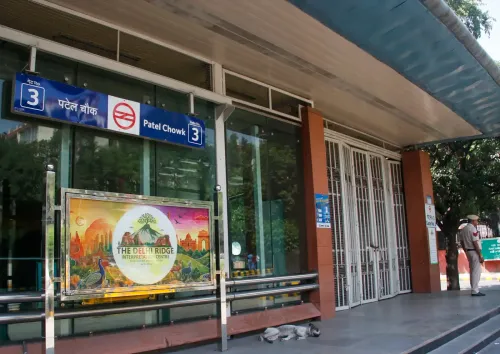
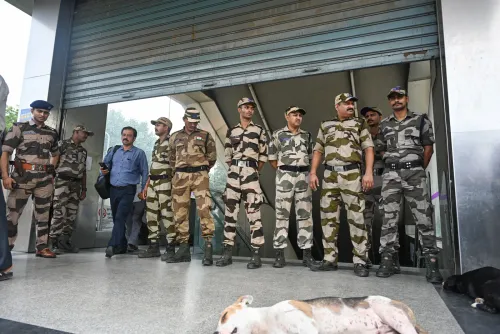
Earlier on Saturday, the DMRC had suspended entry and exit services at 18 stations until further notice, citing security requirements linked to the ongoing protests. The affected stations included Lok Kalyan Marg, Rajiv Chowk, Patel Chowk, Ramakrishna Ashram Marg, Barakhambha Road, Supreme Court, Seva Teerth, Janpath, Mandi House, Central Secretariat, ITO, Delhi Gate, Indraprastha, Khan Market, Jor Bagh, Shivaji Stadium, Jhandewalan, and New Delhi metro stations.
This is not the first time the DMRC has curtailed services in response to large-scale demonstrations in the capital. Similar closures were enforced during protests in earlier years, underlining the recurring tension between public safety imperatives and commuter access in a city of over 20 million.
Pradhan Resigns as Union Education Minister
The station closures unfolded against the backdrop of a major political development: Dharmendra Pradhan resigned as Union Education Minister on the same day, citing accountability over the NEET paper leak controversy and related examination irregularities.
In his letter to the nation, Pradhan said he was 'pained by the events of the past ten days' and framed his resignation as a protective measure for students. 'Considering the situation at Jantar Mantar and across the country — to prevent anti-national forces from exploiting it, preserving national unity, ensuring that not a single Indian student's future gets entangled in legal complexities, and allowing our children to devote their time to studies and focus on building their careers — I have submitted my resignation to the Prime Minister,' he said.
Pradhan thanked Prime Minister Narendra Modi for his support and reaffirmed his commitment to youth and education, describing the resignation as a matter of conscience rather than personal prestige.
The Wider Context: NEET Protests and Exam Integrity
Nationwide demonstrations have been building over alleged irregularities in the NEET-UG 2024 examination, with students and opposition parties demanding accountability, a re-test, and structural reforms to India's competitive exam system. The protests at Jantar Mantar on Saturday were among the largest in the capital, drawing students from multiple states.
Critics argue that the paper leak points to systemic failures in examination administration, and that a ministerial resignation, while symbolically significant, does not by itself address the structural vulnerabilities in the National Testing Agency's (NTA) framework.
What Happens Next
The DMRC has not yet confirmed when the remaining 15 closed stations will reopen. Security deployments around Jantar Mantar and Parliament Street remain in place. Politically, the resignation of Pradhan is expected to prompt a Cabinet reshuffle, with speculation about his successor already circulating. The government faces mounting pressure to announce concrete reforms to the examination system before the next academic cycle.
Point of View
With commuters bearing the cost of decisions made elsewhere. Pradhan's resignation is symbolically weighty but structurally thin; it does not address how the NEET paper leak happened, who is criminally liable, or what prevents a recurrence. The NTA's credibility is the real casualty here, and a Cabinet reshuffle does not fix an institutional failure. Students and parents watching this unfold will want systemic answers, not ministerial sacrifices.
NationPress
24 Oct 2026
Frequently Asked Questions
Why did DMRC close 18 metro stations on 25 July?
The DMRC shut 18 central Delhi metro stations on 25 July due to heightened security arrangements around student protests near Jantar Mantar over the NEET paper leak controversy. The closures were announced as a temporary measure until further notice.
Which DMRC stations were reopened and which remain closed?
Rajiv Chowk, Mandi House, and Central Secretariat stations were reopened on Saturday following a security reassessment. The remaining 15 stations — including Lok Kalyan Marg, Patel Chowk, Khan Market, and New Delhi — had not been confirmed reopened as of the latest update.
Why did Dharmendra Pradhan resign as Education Minister?
Dharmendra Pradhan resigned as Union Education Minister on 25 July, citing accountability over the NEET paper leak controversy and related examination irregularities. In his resignation letter, he said he was pained by developments over the previous ten days and wanted to prevent the situation from being exploited or from harming students' futures.
What is the NEET paper leak controversy?
The NEET-UG 2024 paper leak refers to alleged irregularities in India's national medical entrance examination, including reports of question papers being circulated before the exam. The controversy triggered nationwide student protests and demands for a re-test, systemic reforms, and accountability from the National Testing Agency (NTA).
What happens next after Pradhan's resignation?
Pradhan's resignation is expected to prompt a Cabinet reshuffle, with speculation about his successor already underway. The government faces pressure to announce structural reforms to the examination system. Security deployments at Jantar Mantar remain in place, and the status of the remaining closed metro stations is subject to further DMRC updates.