Gujarat withdraws NEET-UG protest cases after Supreme Court order
Synopsis
Gujarat has ordered police to drop all criminal cases against NEET-UG protesters — a direct consequence of a Supreme Court order that effectively forced state governments to stand down. With Assam and Bihar making similar moves, the legal fallout from India's biggest student agitation in years is now unwinding simultaneously across multiple states.
Key Takeaways
The Gujarat Home Department directed DGP Gyanendra Singh Malik on 31 July to withdraw all FIRs against NEET-UG protest participants.
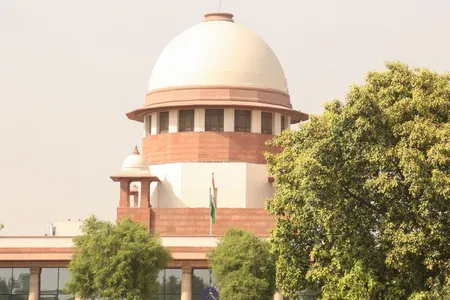
The move follows the Supreme Court's 28 July interim order barring coercive action against student protesters without criminal antecedents.
The court clarified 'criminal antecedents' covers only those involved in grave or heinous offences, freeing states to drop remaining cases.
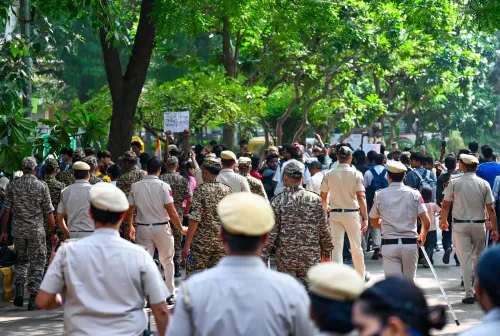
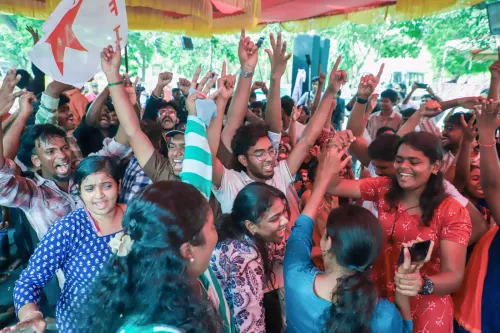
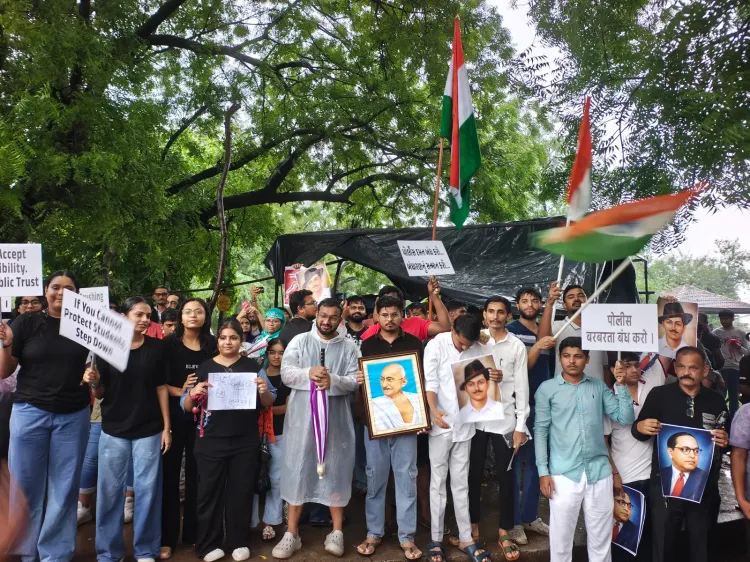
Protests were held in Ahmedabad and other Gujarat cities; the national agitation at Jantar Mantar ran from 20 June to 25 July 2025 .
Assam and Bihar have also announced withdrawal of protest-related cases, reflecting a coordinated national rollback.
The Supreme Court continues to oversee preservation of CCTV and electronic evidence as proceedings on alleged police excesses continue.
The Gujarat government has directed the state police to drop all criminal cases registered against students and others who participated in protests over the alleged NEET-UG examination paper leak, acting on a Supreme Court interim order that barred coercive action against student demonstrators. The directive, issued from Gandhinagar, marks a significant legal reversal for protesters who faced police action during the statewide agitation.
The Government Directive
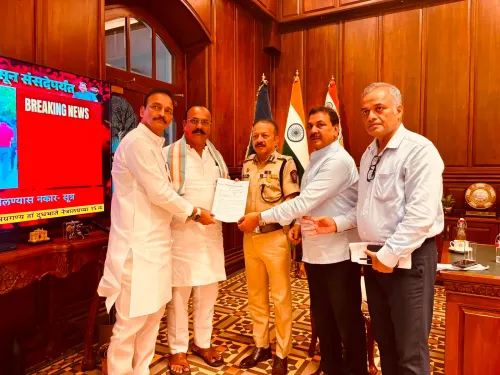
In a letter dated 31 July to Director General of Police (DGP) Gyanendra Singh Malik, the state Home Department instructed police to refrain from taking any adverse legal or penal action against students, youth, or any other individuals who joined the demonstrations across Gujarat. The department further directed that where First Information Reports (FIRs) or criminal cases had already been registered, the process for withdrawing them must be completed immediately. The letter did not specify the total number of FIRs to be withdrawn.
What the Supreme Court Ordered
The directive traces directly to the Supreme Court's 28 July interim order, which prohibited coercive action against student protesters without criminal antecedents and mandated the release of minors detained during the agitation. On the following Monday, the court clarified that 'criminal antecedents' applied only to those involved in grave and heinous offences — effectively freeing state governments to close or withdraw FIRs against the remaining protesters under the law. The court has also ordered the preservation of CCTV footage, drone recordings, body-camera videos, and other electronic evidence as broader proceedings into alleged police excesses during the demonstrations continue.
The Protests and Their Demands
Demonstrations were held in Ahmedabad and several other Gujarat cities in solidarity with the nationwide agitation centred at Jantar Mantar in New Delhi. Protesters demanded accountability over alleged irregularities in the NEET-UG examination and backed calls for the resignation of Union Education Minister Dharmendra Pradhan. The nationwide movement began at Jantar Mantar on 20 June and concluded on 25 July after Pradhan resigned and the government accepted key demands from protest organisers, including commitments on examination reforms.
Other States Follow Suit
Gujarat's decision is part of a broader pattern of state-level rollbacks following the Supreme Court's direction. Assam announced it would withdraw all cases linked to the protests, release those arrested, and refrain from further adverse legal action against peaceful demonstrators. Bihar also initiated the process of dropping related cases after discussions between government representatives and protest leaders. The coordinated withdrawal across multiple states underscores the weight of the Supreme Court's intervention in shaping the government's response to the NEET-UG controversy.
What Happens Next
With FIR withdrawals now underway in Gujarat, legal proceedings against the affected students are expected to be formally closed in the coming weeks. The Supreme Court's ongoing scrutiny of alleged police conduct during the protests means the broader accountability question remains open. Examination reform commitments made by the Centre during the agitation will face close monitoring from student groups and opposition parties alike.
Point of View
Suggesting the state read the judicial signal clearly. The more consequential question is whether the examination reform commitments extracted during the agitation will be honoured, or whether the institutional memory of NEET-UG 2024's alleged irregularities fades now that the street pressure has dissipated. The court's insistence on preserving electronic evidence hints that the accountability chapter is far from closed.
NationPress
18 Sept 2026
Frequently Asked Questions
Why is Gujarat withdrawing criminal cases against NEET-UG protesters?
Gujarat is withdrawing the cases following the Supreme Court's 28 July interim order, which barred coercive action against student protesters without criminal antecedents and directed states to release detained minors. The court subsequently clarified that states were free to close FIRs against protesters not accused of grave or heinous offences.
How many FIRs will be withdrawn in Gujarat?
The Home Department's letter to the DGP did not specify the total number of FIRs or criminal cases to be withdrawn. The directive covers all cases registered against students, youth, and others who participated in the NEET-UG protests across Gujarat.
What were the NEET-UG protests about?
The protests centred on alleged irregularities and a paper leak in the NEET-UG medical entrance examination. Demonstrators demanded accountability, examination reforms, and the resignation of Union Education Minister Dharmendra Pradhan, who subsequently resigned on 25 July 2025.
Which other states are withdrawing NEET protest cases?
Assam announced it would withdraw all protest-related cases and release those arrested, while Bihar initiated the process of dropping cases after talks between government officials and protest leaders. Gujarat's move is part of a broader national rollback following the Supreme Court's direction.
Is the Supreme Court's involvement in the NEET protest cases over?
No. While the court has directed states to drop FIRs against ordinary protesters, it continues to oversee proceedings related to allegations of police excesses and violence during the demonstrations. It has also ordered the preservation of CCTV footage, drone recordings, and body-camera videos as evidence for these ongoing proceedings.