NEET-UG protest: Bengal govt rules out coercive action against students
Synopsis
West Bengal has drawn a legal firewall around NEET-UG protesters: no arrests, no coercive action — backed by a Supreme Court order. A Kolkata court reinforced that shield by granting bail to 16 accused on the same day. The real fault line now is whether the Centre will formally withdraw cases nationwide, and what happens to the five accused with prior criminal records.
Key Takeaways
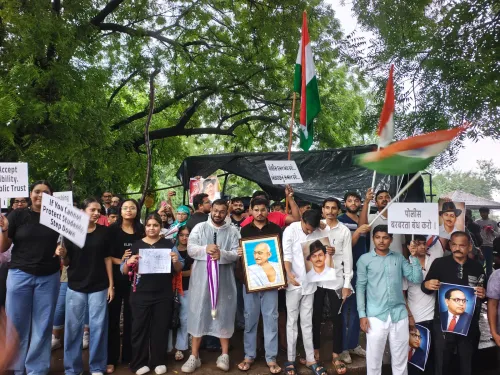
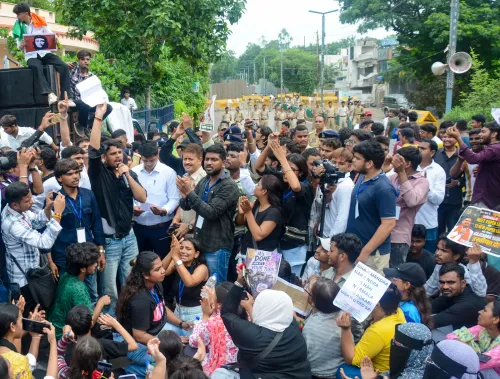
The West Bengal Government on 28 July assured no coercive action against students who joined the 24 July Left-party NEET protest rally in Kolkata .
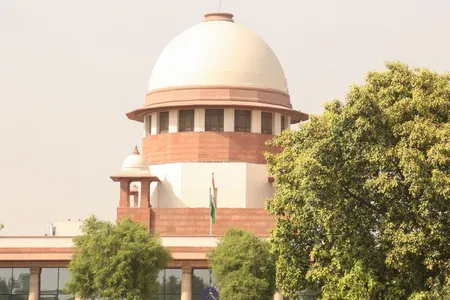
The decision was based on the Supreme Court order in Shailendra Mani Tripathi vs Union of India and Others , related to nationwide NEET paper-leak protests.
Protection does not apply to individuals with criminal antecedents, per the apex court's directive.
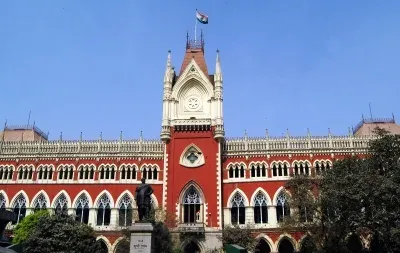
The Chief Metropolitan Magistrate's Court, Kolkata granted bail to 16 accused , with custody extended only till 30 July .
5 of the 16 accused were reported to have prior criminal records; the magistrate granted bail to all 16 pending clarity on convictions.
Defence lawyers claimed the Union Home Ministry agreed to withdraw NEET-related cases nationwide; the matter is listed again on Wednesday .
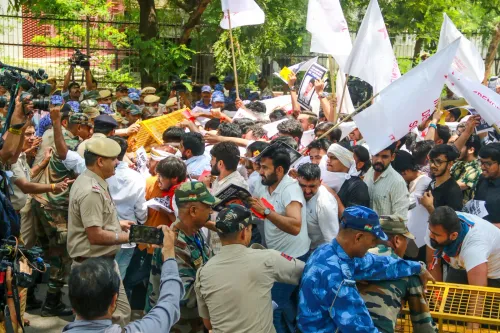
The West Bengal Government on Tuesday, 28 July issued a formal statement clarifying that no coercive action — including arrests — will be taken against students who participated in the joint rally organised by the students' and youth wings of various Left parties in Kolkata on 24 July. The assurance comes amid a broader national movement against the alleged NEET-UG examination paper leak.
What the Government Said
The statement, issued by the State Home and Hill Affairs Department, noted that the decision was taken after carefully weighing all aspects of the case registered in connection with alleged attacks on police personnel and media persons during the rally. Authorities also cited the order passed by the Supreme Court in the Shailendra Mani Tripathi vs Union of India and Others case, which relates to nationwide protests over the NEET paper leak.
Notably, the protection will not extend to individuals with criminal antecedents, in line with the apex court's directive. The government's statement drew a clear line between bona fide student protesters and those with prior criminal records.
Court Grants Bail to 16 Accused
The government's announcement came hours after the Chief Metropolitan Magistrate's Court in Kolkata granted bail to 16 people arrested in connection with the unrest surrounding the protest rally. Defence counsel cited the Supreme Court's order, which prohibits disproportionate action against those involved in the NEET movement, to secure the relief.
Government lawyers initially opposed the bail plea and sought judicial custody. The magistrate, however, ordered custody only till 30 July and granted bail to all 16 accused.
Criminal Records and the Court's Scrutiny
During the afternoon hearing, the magistrate specifically questioned how many of the accused had prior criminal histories — a key threshold set by the Supreme Court for stricter action. The investigating officer stated that five of the 16 accused had criminal records. Defence lawyers countered by asking whether those five had actually been convicted in their previous cases. With no definitive answer forthcoming, the magistrate extended bail to all 16.
Centre's Withdrawal of Cases: A Contested Claim
Defence lawyers also raised the issue of the Union Home Ministry reportedly agreeing in court to withdraw cases related to the NEET movement across India, including in Delhi. They cited the examples of Bihar and Assam, though the magistrate noted there were no clear guidelines from those states. The matter was allowed to be mentioned again on Wednesday, leaving the question of case withdrawals unresolved for now.
What Comes Next
With the Supreme Court's order providing a legal shield to student protesters and the Bengal government's assurance now on record, the immediate threat of mass arrests appears to have receded. However, the five accused with alleged criminal backgrounds remain in a legal grey zone, and the broader question of whether the Centre will formally withdraw NEET-related cases nationwide is yet to be settled. The next hearing is scheduled for Wednesday.
Point of View
Allowing the state to appear protective without directly confronting the Centre. The more consequential question is whether the Union Home Ministry's reported agreement to withdraw NEET cases nationwide will materialise into formal orders, or remain a courtroom claim. The carve-out for those with 'criminal antecedents' is also worth watching: it gives authorities discretion that could, in practice, be applied selectively. Student movements have historically been most vulnerable not at the height of protest, but in the weeks after — when political attention fades and individual cases grind through the system.
NationPress
27 Oct 2026
Frequently Asked Questions
What did the West Bengal government announce about NEET protest students?
The West Bengal government announced on 28 July that no coercive action, including arrests, will be taken against students who participated in the NEET-related protest rally held in Kolkata on 24 July. The decision was informed by the Supreme Court's order in the Shailendra Mani Tripathi vs Union of India and Others case.
What did the Kolkata court decide regarding the 16 arrested protesters?
The Chief Metropolitan Magistrate's Court in Kolkata granted bail to all 16 people arrested in connection with the NEET protest unrest. The magistrate ordered custody only till 30 July, after defence counsel cited the Supreme Court order protecting protest participants from disproportionate action.
Are all NEET protesters protected from arrest under the Supreme Court order?
Not entirely. The Supreme Court's order — and the West Bengal government's statement — explicitly excludes individuals with criminal antecedents from the protection. Five of the 16 accused before the Kolkata court were reported to have prior criminal records, though their bail was granted pending clarity on whether they had been convicted.
What is the claim about the Centre withdrawing NEET protest cases?
Defence lawyers told the Kolkata magistrate that the Union Home Ministry had agreed in court to withdraw cases related to the NEET movement across India, citing examples from Bihar and Assam. However, no clear state-level guidelines were available, and the magistrate listed the matter for further hearing on Wednesday.
What is the NEET paper leak controversy about?
The NEET-UG paper leak controversy refers to allegations that the National Eligibility cum Entrance Test question paper was leaked ahead of the examination, sparking nationwide student protests demanding accountability and re-examination. The Supreme Court has been hearing multiple petitions on the matter.