NEET-UG protest unrest: Kolkata court grants bail to all 16 arrested
Synopsis
All 16 people arrested after violence at a Left student rally in Kolkata were granted bail on 28 July, after defence lawyers cited a Supreme Court order limiting punitive action against NEET-UG protesters — and government lawyers declined to oppose the plea despite five of the accused having prior criminal records.
Key Takeaways
The Chief Metropolitan Magistrate's Court, Kolkata granted bail to all 16 accused on 28 July on a bond of ₹500 each.
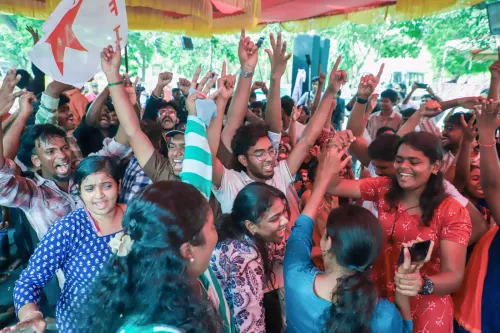
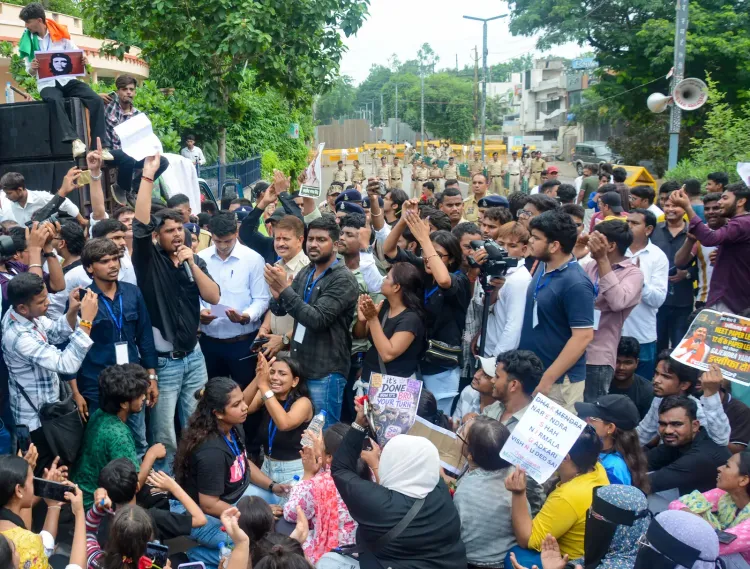
Arrests followed alleged violence at a Left student organisations' rally on 24 July , marching from Sealdah to Esplanade .
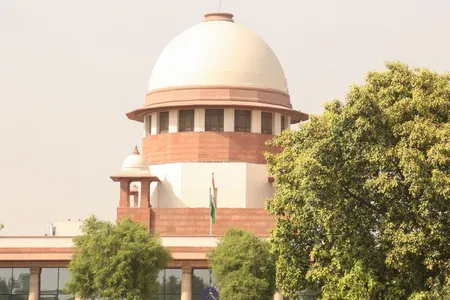
Defence lawyers cited a Supreme Court ruling restricting harsh action against NEET-UG protest participants.
Government lawyers did not oppose bail at the afternoon hearing, despite no explicit state-level directive from Delhi or Bihar .
Five of the 16 had prior criminal records, but none were confirmed convicted — a key factor in the magistrate's decision.
The case is listed for further hearing on Wednesday , with state-level withdrawal directives still awaited.
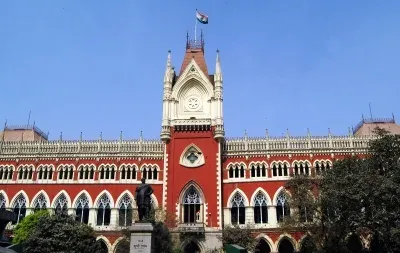
The Chief Metropolitan Magistrate's Court in Kolkata on Tuesday, 28 July granted bail to all 16 individuals arrested in connection with violence at a Left student organisations' rally on 24 July, with each released on a personal bond of ₹500. The bail came after defence lawyers invoked a Supreme Court ruling that reportedly restricts harsh action against participants in the NEET-UG protest movement.
How the Bail Was Secured
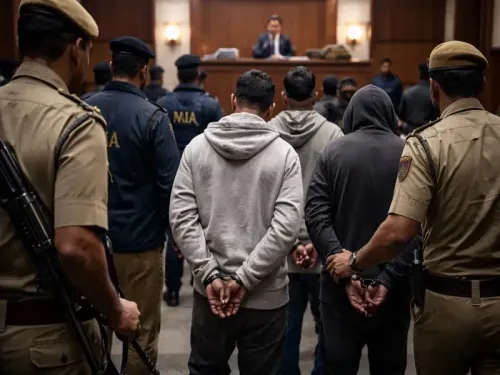
When the 16 accused were produced before the court on Tuesday, their lawyers — Yasin Rahman, Raja Sen, and Prashant Bagchi — initially faced opposition from government prosecutors, who sought judicial custody until 30 July. The magistrate initially ordered that custody. However, during the afternoon session, defence counsel raised the issue of the Union Home Ministry's reported decision to withdraw cases linked to the NEET movement across India, citing examples from Bihar and Assam.
After the court received a copy of the Supreme Court's judgment, the magistrate agreed to rehear the matter the same day. Government lawyers did not oppose bail at the resumed hearing — despite the absence of explicit directives from states such as Delhi or Bihar — and all 16 were released.
Criminal History Question and the Court's Reasoning
The magistrate noted that the Supreme Court had clarified that strict action remained permissible against accused with prior criminal records. The investigating officer confirmed that five of the 16 had previous cases registered against them. Defence lawyers, however, questioned whether any of those five had actually been convicted. With no clear answer forthcoming, the magistrate extended bail to all 16 accused.
The 24 July Rally and Allegations of Unrest
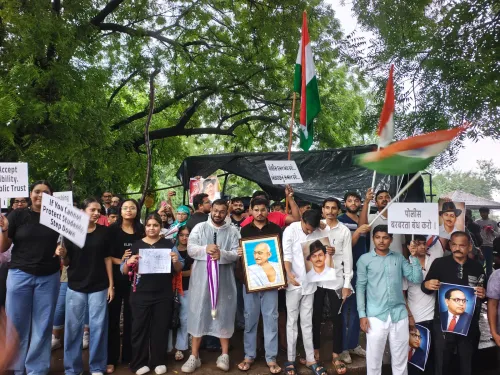
The arrests stemmed from a procession and sit-in organised on 24 July by several Left-affiliated student bodies, including the Students' Federation of India (SFI), in solidarity with protesters demanding accountability over the NEET-UG question paper leak. The march ran from Sealdah to Esplanade in central Kolkata.
Allegations of violence surfaced during and after the event. Controversial posters, placards, and reportedly anti-national slogans were displayed, according to police. Several journalists covering the rally were allegedly attacked while on duty. Police arrested 16 people in connection with the disturbances.
Broader Context: NEET-UG Protests Across India
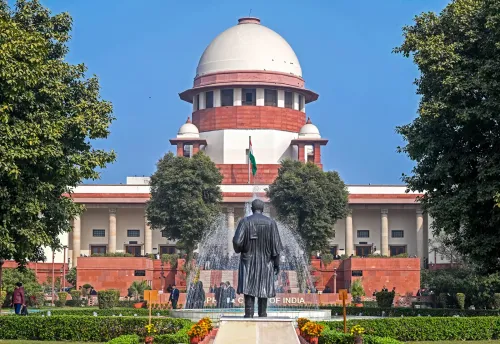
The Kolkata rally was part of a nationwide wave of student demonstrations over the alleged leaking of the NEET-UG 2024 examination paper, which has triggered protests in multiple states and drawn scrutiny from the Supreme Court. Defence lawyers argued that the apex court's intervention effectively limits the scope of punitive action against those detained solely for participation in the movement. This is among the first bail hearings in West Bengal to directly cite that ruling.
The matter is listed for further proceedings on Wednesday, where clearer state-level directives on case withdrawals may emerge.
Point of View
Yet has not issued uniform written directives to states, leaving magistrates to interpret Supreme Court orders on the fly. The fact that government lawyers dropped opposition mid-hearing — without formal guidance — suggests executive intent is outrunning administrative process. More consequentially, the five accused with prior records being released on the same terms as first-time offenders raises legitimate questions about whether the Supreme Court's own carve-out for repeat offenders is being applied with any rigour.
NationPress
27 Oct 2026
Frequently Asked Questions
Why were 16 people arrested in Kolkata in connection with the NEET-UG protests?
The 16 were arrested following alleged violence and unrest at a Left student organisations' rally on 24 July in Kolkata, where controversial slogans were reportedly raised and several journalists were allegedly attacked. Police detained them in connection with the disturbances during the procession from Sealdah to Esplanade.
On what grounds did the court grant bail to the accused?
The Chief Metropolitan Magistrate granted bail after defence lawyers cited a Supreme Court ruling that reportedly forbids strict punitive action against those arrested in connection with the NEET-UG protest movement. Government lawyers did not oppose the bail at the resumed afternoon hearing, and the court released all 16 on a ₹500 bond each.
Did the Supreme Court order apply to accused with criminal records?
The Supreme Court clarified that strict action could be taken against accused with prior criminal history. Five of the 16 had previous cases registered against them, but since none were confirmed to have been convicted, the magistrate extended bail to all 16.
What is the NEET-UG protest movement about?
The NEET-UG protests erupted across India over allegations of a question paper leak in the 2024 National Eligibility cum Entrance Test (Undergraduate), triggering student demonstrations in multiple states and drawing scrutiny from the Supreme Court. Left-affiliated student groups, including SFI, have been among the organisations participating.
What happens next in the Kolkata NEET protest case?
The matter is listed for further proceedings on Wednesday, where clearer state-level directives on withdrawal of NEET-related cases — from states such as Delhi and Bihar — are expected to be placed before the court.