Calcutta HC seeks Bengal govt report on journalist attacks at NEET protest rally
Synopsis
The Calcutta High Court has stepped in after journalists were attacked at a NEET-UG protest rally in Kolkata on 24 July — directing the West Bengal government to explain its response within three weeks. With 16 accused already out on bail and the state shielding student protesters from arrest, the case raises hard questions about press safety and political accountability at public demonstrations.
Key Takeaways
Calcutta High Court bench of Justice Kishna Rao sought a report from the West Bengal government on 29 July over journalist attacks at the 24 July NEET-UG rally.
The state government has been given three weeks to submit its response.
The court also asked about the state's position on framing guidelines to prevent rowdy conduct at public processions.
Kolkata Police had arrested 16 persons for attacking journalists and police; all 16 were granted bail by the Chief Metropolitan Magistrate's Court on Tuesday .
The West Bengal government issued a statement barring coercive action against student protesters, with an exception for those with criminal antecedents.
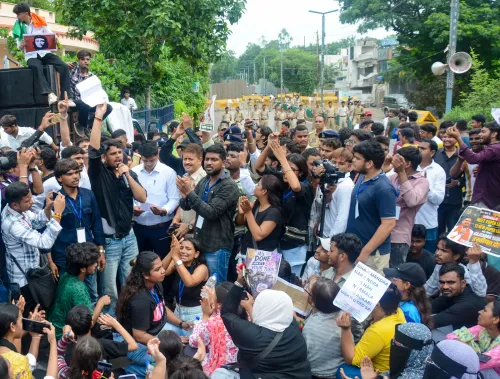
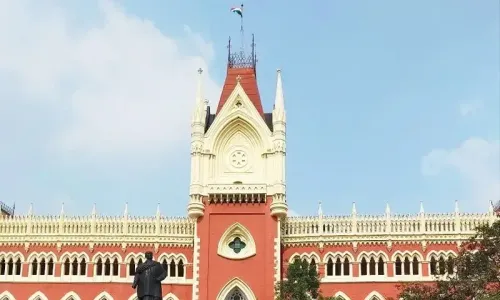
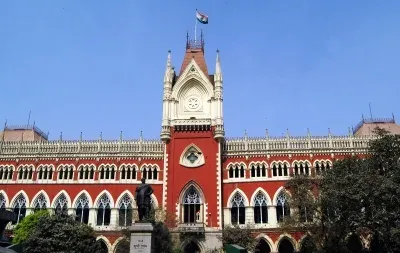
A single-judge bench of the Calcutta High Court on Wednesday, 29 July sought a report from the West Bengal government on action taken over the attack on journalists during a joint rally held in Kolkata on 24 July against the NEET-UG examination paper leak. The bench, presided over by Justice Kishna Rao, directed the state government to submit its response within three weeks.
What the Court Directed
Justice Rao also enquired about the state government's position on framing guidelines to curb disruptive or rowdy behaviour during public meetings and processions. The court's intervention came after a petition was filed specifically against the reported assault on media personnel during the 24 July rally, which was jointly organised by the students' and youth wings of various Left parties and the Cockroach Janta Party (CJP).
The petitioner clarified that the challenge was not directed at the students' movement on legitimate grievances, but sought state-level guidelines to prevent violent conduct at such events. The petitioner further urged the court to ensure that political parties or organisers be held accountable if rowdy activities occurred during any march or rally they convene.
Arrests and Bail
Kolkata Police had initially arrested 16 persons accused of attacking both police personnel and journalists during the 24 July rally. However, on Tuesday, the Chief Metropolitan Magistrate's Court in Kolkata granted bail to all 16 accused. The defence counsel cited a Supreme Court judgment that reportedly forbade strict punitive action against individuals involved in the student movement.
State Government's Position
Also on Tuesday, the West Bengal government issued a statement clarifying that no coercive action — including arrests — would be taken against students who participated in the joint rally. The statement, however, carved out an exception: the protection would not extend to persons with criminal antecedents, in line with the apex court's order.
Broader Context
The 24 July rally was part of a wider wave of student-led protests across India against the alleged paper leak in the NEET-UG 2024 entrance examination, which has drawn scrutiny from the Supreme Court and triggered political controversy. The attack on journalists during the rally drew sharp criticism from press freedom advocates, adding a media-rights dimension to what began as a student agitation. The Calcutta High Court's intervention signals judicial concern over both the safety of the press and the absence of a regulatory framework for managing large protest marches in the state. The next hearing is expected within three weeks, when the state government must place its report before Justice Rao.
Frequently Asked Questions
Why did the Calcutta High Court seek a report from the West Bengal government?
The Calcutta High Court sought the report in response to a petition filed over the attack on journalists during a NEET-UG protest rally in Kolkata on 24 July. Justice Kishna Rao directed the state government to detail the action taken and submit it within three weeks.
Who organised the 24 July rally in Kolkata where journalists were attacked?
The rally was jointly organised by the students' and youth wings of various Left parties and the Cockroach Janta Party (CJP). It was held in Kolkata as part of protests against the alleged NEET-UG 2024 examination paper leak.
What happened to the 16 people arrested in connection with the journalist attacks?
Kolkata Police initially arrested 16 persons accused of attacking journalists and police personnel at the rally. The Chief Metropolitan Magistrate's Court in Kolkata subsequently granted bail to all 16, with the defence citing a Supreme Court judgment against strict action in student movement cases.
What did the West Bengal government say about arrests of student protesters?
The West Bengal government issued a statement on Tuesday clarifying that no coercive action, including arrests, would be taken against students who participated in the joint rally. However, the protection was explicitly stated to not cover persons with criminal antecedents, as per the Supreme Court's order.
What did the petitioner ask the Calcutta High Court to do?
The petitioner sought court intervention to compel the state government to frame guidelines preventing rowdy conduct at protest marches, and to ensure that political parties or organisers are held accountable for any violence that occurs during events they organise.