Why Was the Beldanga Unrest Accused Not Presented in Court?
Synopsis
The delay in producing the accused from the Beldanga unrest case in Kolkata highlights serious issues with police escort arrangements and procedural delays. With critical implications for ongoing investigations by the NIA, the case raises questions about accountability and law enforcement responsiveness amidst rising tensions in the region.
Key Takeaways
Beldanga unrest highlights significant law enforcement challenges.
Communication failures between the NIA and state police hinder investigations.
Judicial accountability is crucial for maintaining public trust.
Protests stemming from worker fatalities underscore systemic issues.
Future court dates are critical for justice and procedural compliance.
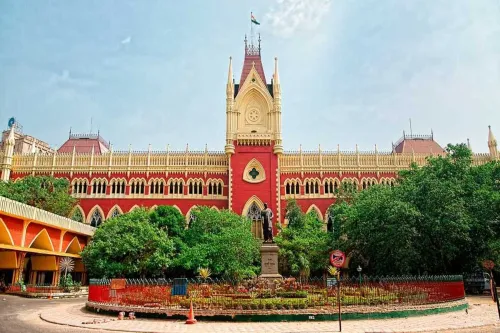
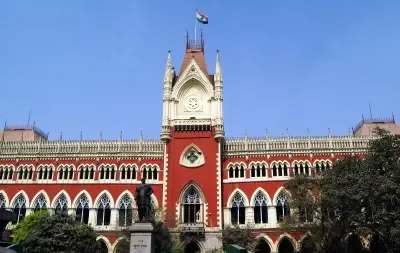
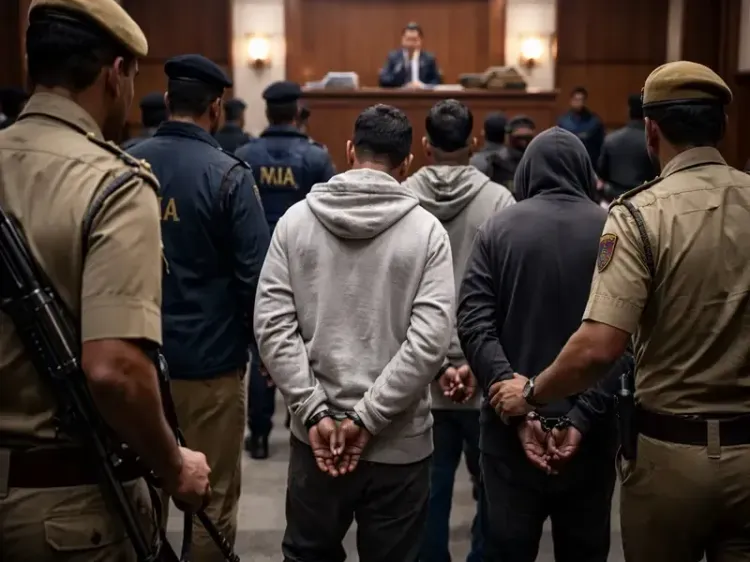
Kolkata, Feb 5 (NationPress) The individuals implicated in the Beldanga unrest incident in the Murshidabad district were unable to appear before a Kolkata court on Thursday.
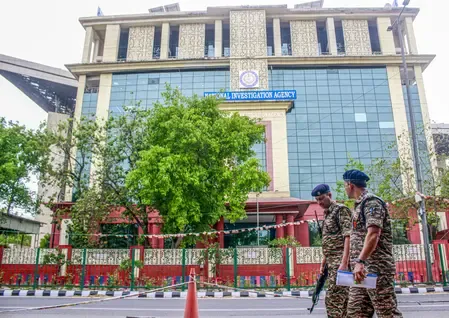
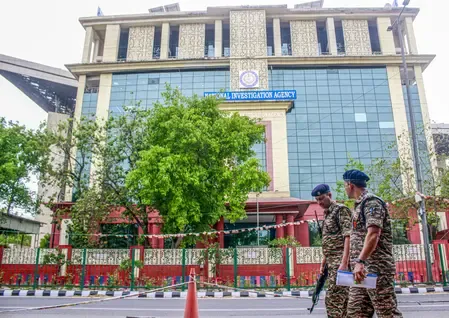
The National Investigation Agency (NIA) criticized the state police for this situation, indicating to the court that they have yet to receive the necessary case diary.
The presiding judge mandated that the accused must be presented in court on February 12.
On that date, the investigating officer associated with the Beldanga case is required to attend court to justify the absence.
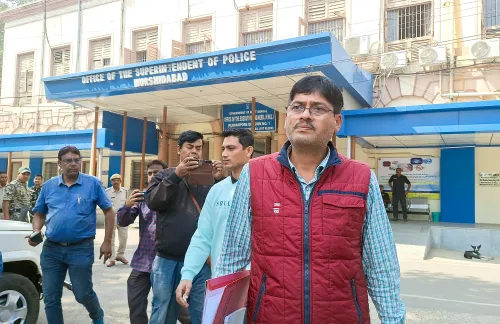
Additionally, the Superintendent of Police for Murshidabad district has been instructed to provide a comprehensive report concerning this matter.
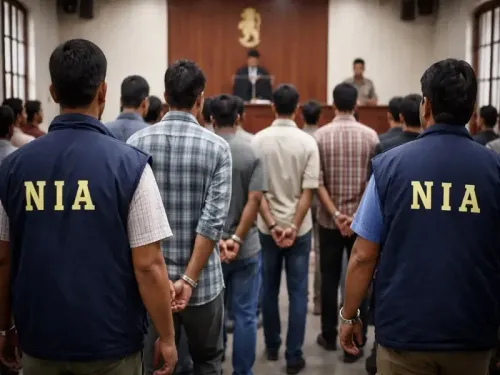
The Beldanga unrest case was scheduled for hearing in the Kolkata court on Thursday, but the accused were not brought forth.
Currently, they remain in judicial custody in Murshidabad.
The NIA attorney stated in court, “The jail superintendent has reported that the accused could not be transported to court due to a lack of escort.”
The NIA further noted that they have not received the case diary.
It was also highlighted that the NIA had informed jail authorities to ensure security and facilitate the transport of the accused to the Kolkata court.
The jail authorities requested an escort from the state police.
In response, the jail superintendent conveyed that the Superintendent of Police claimed he could not arrange a vehicle and escort.
Consequently, the accused could not be presented in court.
The NIA emphasized that the investigating officer is hindered in proceeding with the investigation without the case diary.
Following this, the judge insisted on a detailed report from the Superintendent of Police in Murshidabad.
The judge also directed the investigating officer to personally attend court to explain the situation.
The judge instructed that the accused be presented in court on February 12, affirming that police escort must be provided on that day.
Last month, the Beldanga area in Murshidabad district became the epicenter of extended unrest following the notification of the death of Alauddin Sheikh, a migrant worker from the region, in Jharkhand.
When Alauddin’s body returned on January 16, local residents took to the streets.
Protests erupted against the fatalities of migrant workers from West Bengal occurring in other states.
In protest of his demise, demonstrators obstructed the national highway on January 16.
They ignited tires and conducted demonstrations.
Train services along the Sealdah-Lalgola route were also disrupted due to the protests.
A female journalist faced an attack in Beldanga that same day.
Although police managed to disperse the protests initially, Beldanga experienced renewed tension the following morning.
Law enforcement later asserted in court that the initial day’s protests in Beldanga appeared somewhat spontaneous, while the unrest on the subsequent day seemed premeditated.
A total of 36 individuals, including an AIMIM leader, were detained for their alleged roles in the unrest.
The High Court acknowledged that the Central government could elect to have the National Investigation Agency investigate the Beldanga incident.
The state could also seek additional forces from the Central government to uphold law and order as necessary.
Consequently, the Ministry of Home Affairs transferred the investigation to the central agency.
Point of View
We believe that accountability within law enforcement is paramount. The failure to present the accused in court not only undermines the legal process but also heightens public concern regarding safety and justice in our communities. It is essential that authorities rectify these issues to restore faith in the system.
NationPress
26 Oct 2026
Frequently Asked Questions
What caused the unrest in Beldanga?
The unrest in Beldanga was triggered by the death of Alauddin Sheikh, a migrant worker, which led to protests against the treatment of workers from West Bengal in other states.
Why were the accused not presented in court?
The accused could not be transported to court due to a reported lack of escort from the state police, as stated by the jail superintendent.
What actions did the court take regarding the situation?
The court ordered that the accused be produced on February 12 and mandated the investigating officer and the Superintendent of Police to provide explanations and reports.