Why Did the NIA Fail to Present Accused in Beldanga Violence Case for the Second Time?
Synopsis
The National Investigation Agency's repeated failure to present the accused in the Beldanga violence case raises questions about police coordination. This critical situation follows a directive from the Calcutta High Court, aiming to investigate the unrest sparked by misinformation. What does this mean for justice in West Bengal?
Key Takeaways
The NIA failed to present the accused due to police escort issues.
The violence originated from misinformation regarding a migrant worker's death.
The Calcutta High Court has mandated an NIA investigation.
The Jharkhand Police clarified the cause of death as suicide.
Systemic issues in law enforcement are highlighted by this case.
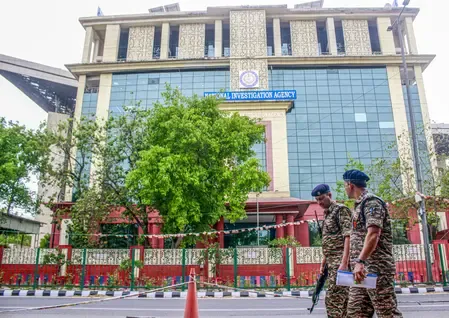
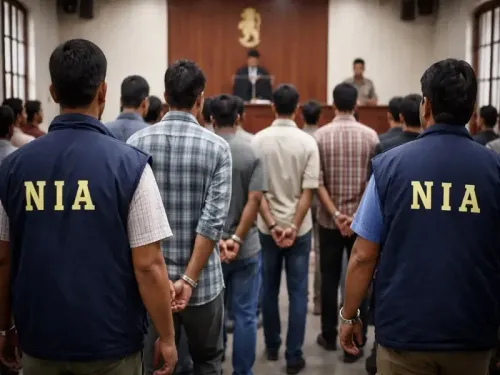
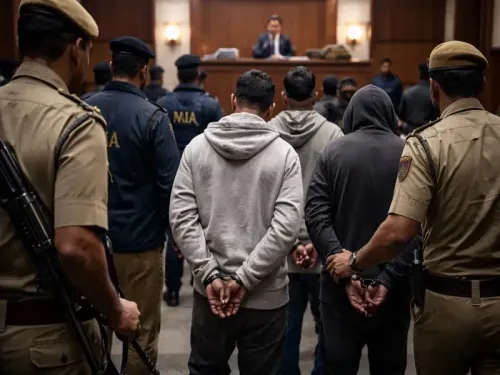
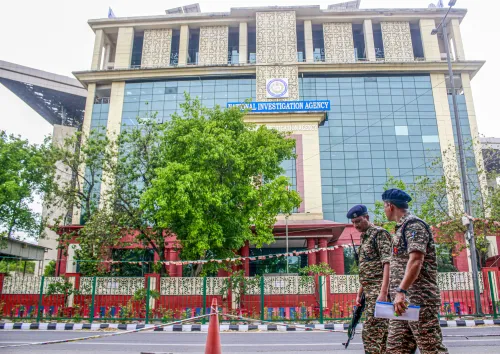
Kolkata, Feb 12 (NationPress) A team from the National Investigation Agency (NIA) investigating the recent violence in Beldanga, located in the Murshidabad district of minority-dominated West Bengal, was unable to present 36 accused individuals in a special NIA court on Thursday morning.
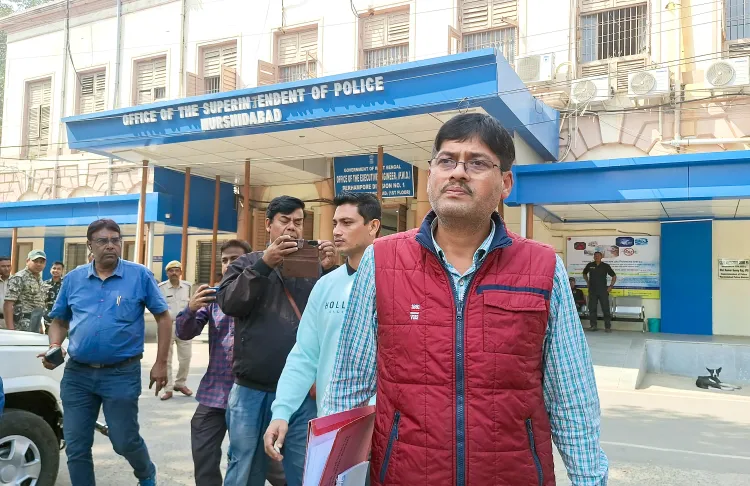
This marks the second instance where the NIA has been unable to bring the accused to court, primarily due to the Murshidabad district police not providing sufficient police escorts.
Previously, on February 5, the NIA also failed to present the accused in court, with the state police citing insufficient security escorts as the reason.
Reports suggest that despite the NIA submitting a request to the Murshidabad District Police, the latter could not comply due to the deployment of police personnel for the higher secondary examinations conducted by the West Bengal Council of Higher Secondary Education, which commenced on the same day.
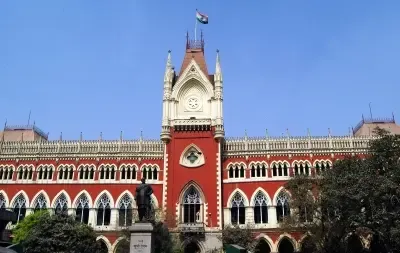
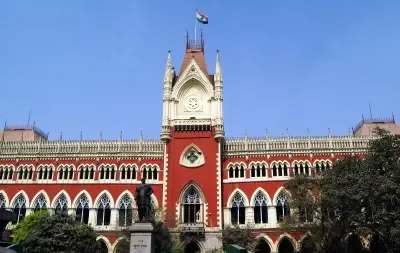
The investigation into the Beldanga violence was initiated by the NIA following a directive from the Calcutta High Court, which authorized the Union Home Ministry to proceed with an NIA inquiry. The unrest was reportedly triggered by false news regarding the alleged murder of a migrant worker from Murshidabad in Jharkhand.
Later investigations revealed that the reports about the violence were based on misinformation, with the Jharkhand Police confirming the migrant worker's death was due to suicide, as supported by the post-mortem findings.
In a related development, while the West Bengal government contested the Calcutta High Court's ruling in the Supreme Court, a two-judge bench of the apex court dismissed the plea on February 11 and instructed the NIA to submit a status report—whether post-investigation or during the probe—before the Calcutta High Court in a sealed envelope, to determine if a prima facie case under the Unlawful Activities (Prevention) Act (UAPA) was established based on the collected evidence.
Point of View
It is imperative to recognize the gravity of the situation in Beldanga. The NIA's inability to present the accused reflects systemic issues within law enforcement and raises concerns over public safety and justice. The misinformation that sparked the violence underscores the need for responsible media reporting and community vigilance.
NationPress
20 Sept 2026
Frequently Asked Questions
What caused the violence in Beldanga?
The violence was allegedly triggered by false reports regarding the murder of a migrant worker from Murshidabad in Jharkhand.
Why did the NIA fail to present the accused?
The NIA failed to present the accused due to the Murshidabad district police not providing adequate escorts, citing personnel engagement in higher secondary examinations.
What has the Calcutta High Court ordered regarding the NIA's investigation?
The Calcutta High Court directed the NIA to investigate the Beldanga violence and submit a status report to determine if a prima facie case under UAPA exists.
What was the outcome of the migrant worker's death investigation?
The Jharkhand Police confirmed that the migrant worker's death was a suicide, dispelling earlier rumors of murder.
What steps are being taken to ensure justice in this case?
The NIA is continuing its investigation and is expected to provide updates to the Calcutta High Court as mandated.