NIA submits Beldanga riots report to Calcutta High Court amid Bengal power shift
Synopsis
The NIA's preliminary report on the Beldanga riots reached the Calcutta High Court on the same day West Bengal's political landscape was upended — the BJP having toppled a 15-year TMC government. With no state counsel present and a new advocate general yet to be named, the legal battle over UAPA applicability and bail for 15 accused now hangs in a political vacuum.
Key Takeaways
The NIA submitted a preliminary report on the Beldanga riots to the Calcutta High Court on 5 May .
The Division Bench of Chief Justice Sujoy Paul and Justice Partha Sarathi Sen will hear the case again after two weeks .
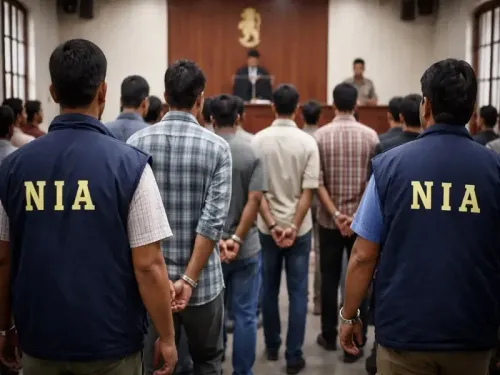
Around 15 accused granted bail by the NIA special court face a challenge filed by the NIA in the High Court.
The court will also determine whether UAPA provisions apply in the Beldanga case, as directed by the Supreme Court .
The BJP won 207 of 294 seats in West Bengal, ending 15 years of TMC rule; no state advocate general has yet been appointed.
Unrest in Beldanga, Murshidabad began on 16 January after the alleged murder of migrant worker Alam Sheikh in Jharkhand.
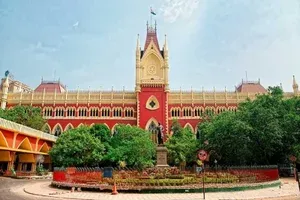
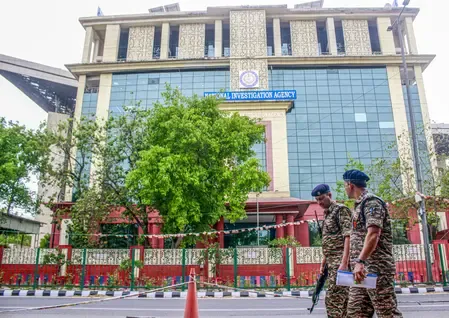
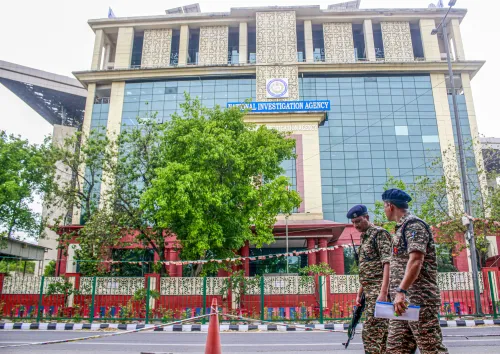
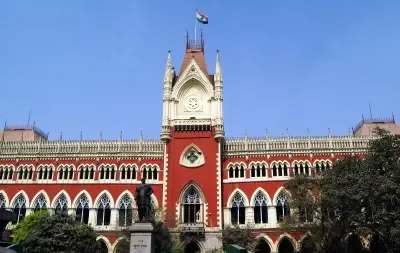
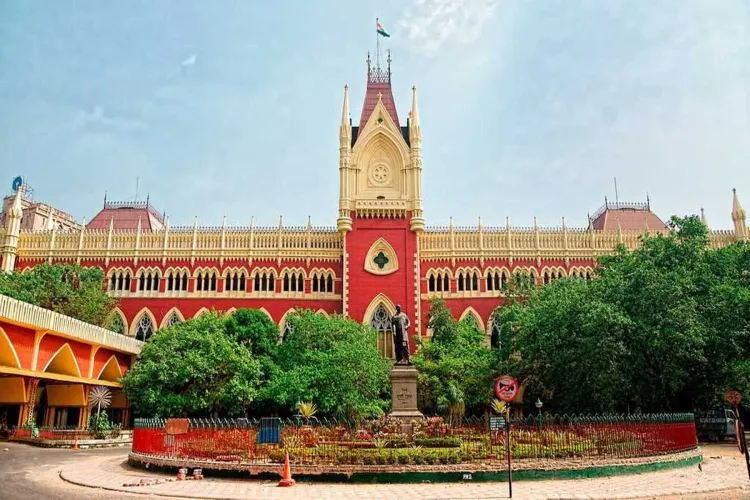
The National Investigation Agency (NIA) on Tuesday, 5 May submitted a preliminary report on the Beldanga riots to a Division Bench of the Calcutta High Court, comprising Chief Justice Sujoy Paul and Justice Partha Sarathi Sen. The court is yet to take a decision on the report and will reconvene after two weeks, with the bench clarifying that there is no obstacle to the NIA's ongoing investigation into the Beldanga case.
Background: What Triggered the Beldanga Unrest
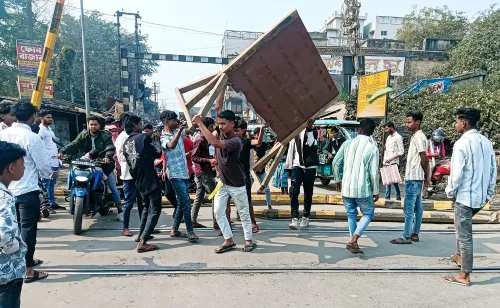
Unrest erupted in Murshidabad district's Beldanga on 16 January following the mysterious death of a migrant worker in neighbouring Jharkhand. It was alleged that Alam Sheikh was murdered. Protesters left his body on the road and launched a blockade, disrupting the National Highway and railway tracks for approximately 30 hours.
On 17 January, the situation deteriorated as protesters indulged in violence — railway property was vandalised and journalists were reportedly beaten up. The NIA subsequently took over the investigation on the orders of the court.
Key Legal Developments
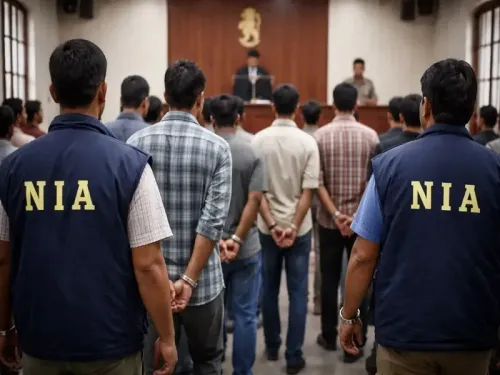
Around 15 arrested accused were granted bail by the NIA special court in Kolkata. The NIA has filed an appeal in the Calcutta High Court challenging those bail orders. Separately, the advocate general of the state government and lawyers for the accused argued before the bench that the Supreme Court has directed the Calcutta High Court to determine whether provisions of the Unlawful Activities (Prevention) Act (UAPA) are applicable in this case. The court will hear both matters together after two weeks.
Political Transition Complicates Proceedings
Tuesday's hearing was further complicated by a significant political development in West Bengal. The Bharatiya Janata Party (BJP) has ended the 15-year rule of the All India Trinamool Congress (TMC), winning 207 seats in the 294-seat West Bengal Legislative Assembly. The TMC's tally has fallen to 80 seats, down sharply from the 215 seats it won in 2021.
The BJP is yet to form its new government, and its legal cell has sought three weeks' time to identify who will serve as the new state advocate general. The party has requested that the High Court refrain from passing orders in cases where the state is a party until that appointment is made.
What the Court Said
Additional Solicitor General Ashok Chakraborty drew the court's attention to the fact that no counsel was present to respond on behalf of the state, given the change of power. The Division Bench of Chief Justice Sujoy Paul accordingly scheduled the next hearing for after two weeks, allowing time for the new state government to appoint legal representation.
What Happens Next
The Calcutta High Court will take up both the NIA bail challenge and the UAPA applicability question in a combined hearing after two weeks. The outcome of the UAPA ruling could significantly affect the legal trajectory of all accused in the Beldanga case, as the stringent anti-terror law makes bail considerably harder to obtain. The formation of a new BJP government in West Bengal and its choice of advocate general will also shape how the state positions itself in ongoing litigation.
Point of View
There is a real risk that the legal proceedings stall at a critical juncture. The UAPA applicability question is the hinge: if the High Court rules the act does not apply, the 15 accused could walk free on bail, effectively hollowing out the NIA's case. That outcome, arriving amid a government transition, would raise pointed questions about whether the Centre's decision to invoke the NIA in a riot case — rather than leaving it to state police — was ever on firm legal ground.
NationPress
23 Sept 2026
Frequently Asked Questions
What is the Beldanga riots case?
The Beldanga riots refer to violence that broke out in Beldanga, Murshidabad district, West Bengal, on 16–17 January, following the alleged murder of migrant worker Alam Sheikh in Jharkhand. Protesters blocked the National Highway and railway tracks for about 30 hours before the situation turned violent, with railway property vandalised and journalists beaten up. The NIA took over the investigation on court orders.
What did the NIA submit to the Calcutta High Court on 5 May?
The NIA submitted a preliminary investigation report on the Beldanga riots to a Division Bench of the Calcutta High Court comprising Chief Justice Sujoy Paul and Justice Partha Sarathi Sen. The court will examine the report and has scheduled the next hearing after two weeks.
Why is the UAPA relevant to the Beldanga case?
The Supreme Court has directed the Calcutta High Court to decide whether sections of the Unlawful Activities (Prevention) Act (UAPA) are applicable to the Beldanga accused. If UAPA applies, bail becomes significantly harder to obtain, which is why the NIA has also challenged the bail already granted to around 15 accused by the NIA special court.
How does West Bengal's political change affect the Beldanga case hearing?
The BJP's victory and the end of the 15-year TMC government meant no state counsel was available to respond in court on 5 May. The BJP's legal cell has sought three weeks to appoint a new advocate general, and has requested the High Court to pause orders in state-related cases until then. The Division Bench has scheduled the next hearing after two weeks.
What happens at the next Calcutta High Court hearing?
After two weeks, the court will hear together both the NIA's challenge to the bail granted to around 15 accused and the question of whether UAPA applies in the Beldanga case. The outcome of the UAPA ruling will significantly shape the legal fate of all accused.