Calcutta HC asks Bengal govt stand on NIA probe into Beldanga violence
Synopsis
A political transition in West Bengal has created a legal twist: the Calcutta High Court wants to know whether the new BJP government will drop the previous TMC administration's Supreme Court challenge against the NIA probe into the Beldanga riots — or quietly let the investigation proceed, potentially under the stringent UAPA framework.
Key Takeaways
The Calcutta High Court directed the West Bengal government to clarify its stand on the NIA probe into Beldanga violence by next week.
A division bench of Chief Justice Sujoy Paul and Justice Partha Sarathi Sen issued the order on Tuesday .
The previous TMC government under Mamata Banerjee had challenged the NIA probe in the Supreme Court .
The new BJP government under Chief Minister Suvendu Adhikari has not yet decided whether to continue that challenge.
The state counsel said the government needs more time to decide if UAPA, 1967 provisions apply to the case.
The Beldanga unrest in January 2025 was sparked by the death of a migrant worker in Jharkhand , which protesters alleged was a lynching — a claim contradicted by the Jharkhand Police post-mortem report.
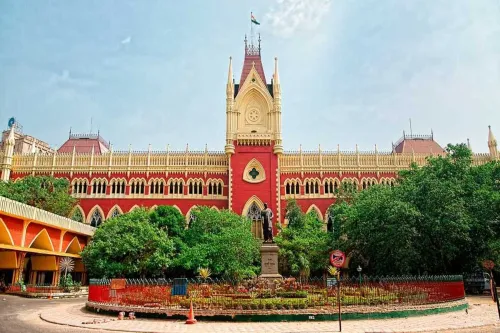
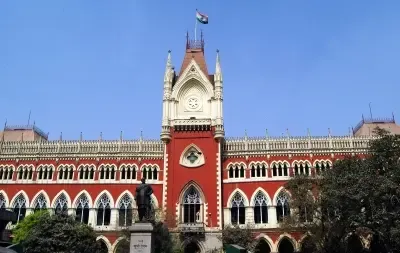
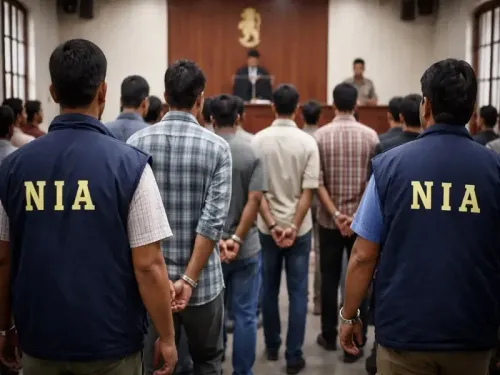
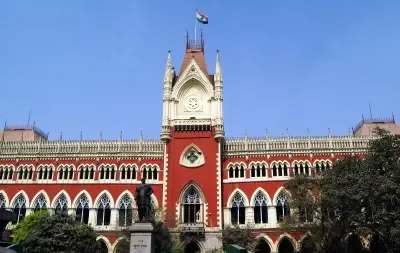
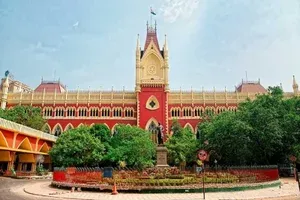
The Calcutta High Court has directed the West Bengal government to clarify its position on the ongoing National Investigation Agency (NIA) probe into the violence and riot-like situation at Beldanga in Murshidabad district that erupted in January 2025. The order was issued by a division bench on Tuesday and uploaded on Wednesday morning.
Background of the Beldanga Violence
The unrest at Beldanga was triggered by the death of a migrant worker in neighbouring Jharkhand. When the worker's body was brought back to Beldanga, local protesters alleged he had been lynched due to religious and linguistic reasons. Demonstrations quickly escalated into a blockade of railways and roads.
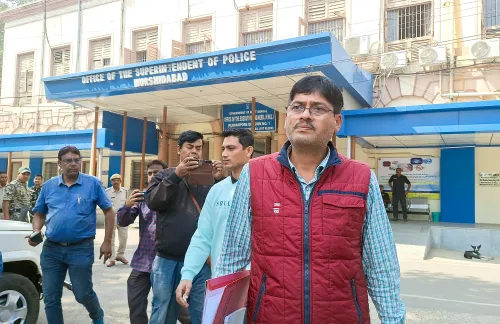
When police moved to lift the blockade, protesters reportedly set up an ambush. Several journalists covering the incident were attacked, with some sustaining severe injuries. The Jharkhand Police, however, subsequently cited a post-mortem report that classified the migrant worker's death as a case of suicide, contradicting the lynching allegations.
NIA Probe and the Supreme Court Challenge
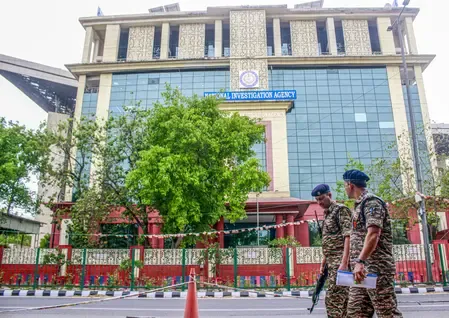
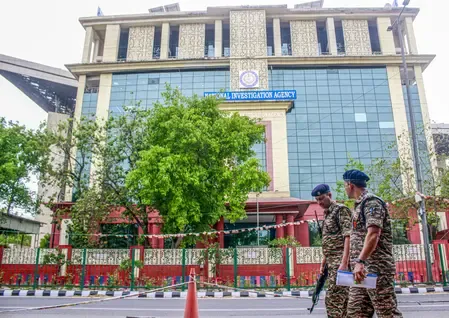
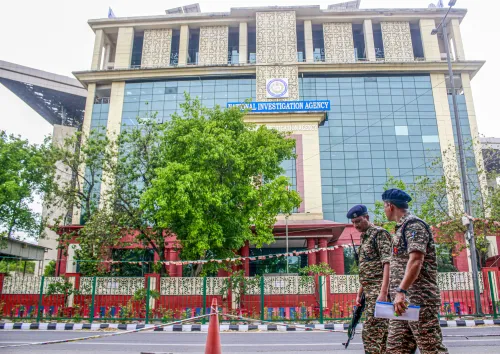
The NIA initiated a probe into the Beldanga violence earlier this year. The then Trinamool Congress (TMC) government led by Chief Minister Mamata Banerjee moved the Supreme Court to challenge the agency's intervention. That legal challenge now hangs in the balance following a change in the state's political landscape.
New BJP Government Faces Key Legal Question
With the Bharatiya Janata Party (BJP) government — led by Chief Minister Suvendu Adhikari — now in power in West Bengal, the court sought clarity on whether the new administration would continue to contest the NIA probe at the Supreme Court or allow the investigation to proceed unhindered.
A division bench of Chief Justice Sujoy Paul and Justice Partha Sarathi Sen took up a petition filed at the Calcutta Court on the matter. During the hearing, the state government's counsel indicated that the government was not, in principle, opposed to the NIA probe continuing, but required additional time to form a view on whether provisions of the Unlawful Activities (Prevention) Act (UAPA), 1967 would be applicable in the case.
Court Sets Deadline for State's Response
The division bench directed the state government to submit its formal opinion by next week. The court's intervention underscores the legal complexity that has arisen from the political transition in West Bengal, with a probe that the previous government actively resisted now potentially receiving tacit support from its successor.
The outcome of the state's position could determine whether the NIA investigation proceeds under the more stringent UAPA framework — a development that would significantly shape how the Beldanga violence is prosecuted.
Point of View
Especially under UAPA, would align with its national security narrative but also set a precedent for central intervention in state law-and-order matters that could return to haunt it. The court's deadline next week will reveal whether the Adhikari government's instincts are partisan or institutional.
NationPress
24 Sept 2026
Frequently Asked Questions
What is the Beldanga violence case about?
The Beldanga violence refers to riots and unrest that broke out in Beldanga, Murshidabad district, West Bengal, in January 2025, following the death of a migrant worker in Jharkhand. Protesters alleged the worker was lynched for religious and linguistic reasons, though the Jharkhand Police post-mortem report classified the death as suicide.
Why is the NIA investigating the Beldanga violence?
The National Investigation Agency initiated a probe into the Beldanga violence due to its communal dimensions and the severity of the unrest, which included attacks on journalists and blockades of roads and railways. The agency is also examining whether provisions of the UAPA, 1967 apply to the case.
What was the previous West Bengal government's stance on the NIA probe?
The previous Trinamool Congress government under Chief Minister Mamata Banerjee challenged the NIA's intervention by approaching the Supreme Court. That challenge now needs to be either continued or withdrawn by the new BJP government.
What has the Calcutta High Court directed the new government to do?
The Calcutta High Court's division bench has directed the BJP-led West Bengal government to formally state its position on the NIA probe — including whether UAPA provisions should apply — by next week.
Who is the current Chief Minister of West Bengal?
Suvendu Adhikari of the Bharatiya Janata Party (BJP) is the current Chief Minister of West Bengal, following a change in regime from the Trinamool Congress government led by Mamata Banerjee.