Is Delhi Set to Expand Its Districts from 10 to 13 for Enhanced Governance?
Synopsis
In a landmark decision, Delhi's CM Rekha Gupta has announced a reorganization of the city's revenue districts, expanding from 11 to 13. This strategic move aims to improve governance and citizen services amidst the challenges of urban growth. Discover how this change aligns with Prime Minister Modi's vision of effective governance.
Key Takeaways
Delhi's revenue districts will increase from 11 to 13 .
New Mini Secretariats will enhance citizen access to services .
Alignment of district boundaries with municipal zones will improve governance .
Faster grievance redressal and service delivery is expected .
Strategic reform reflects a commitment to effective governance .
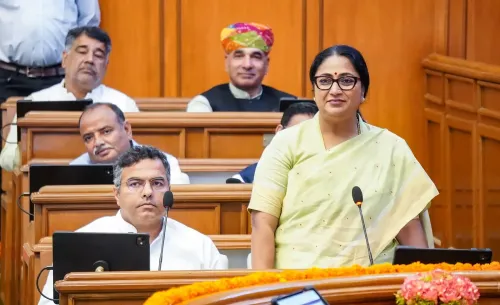
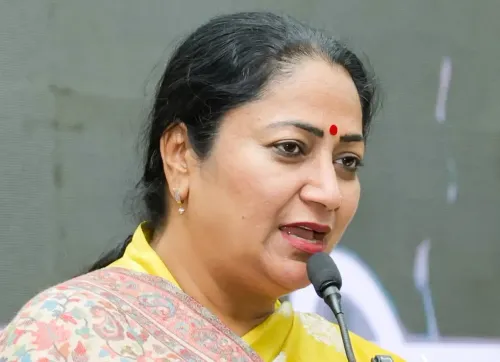
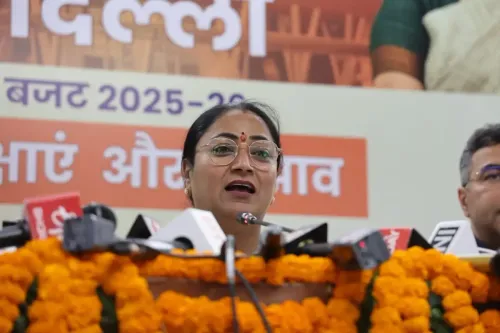
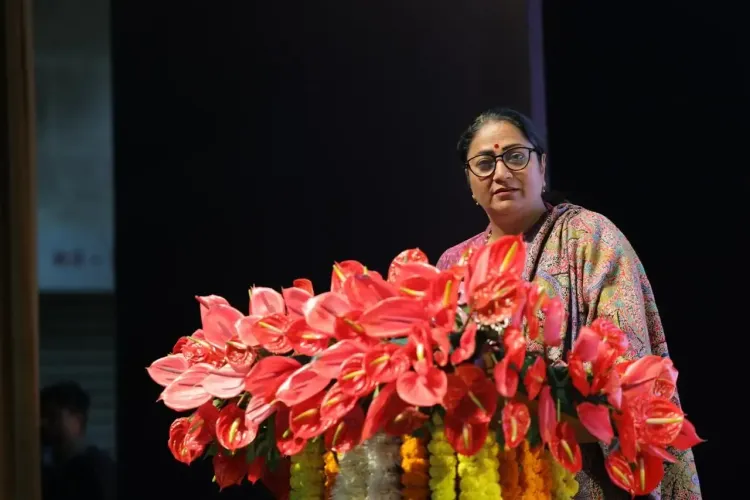
New Delhi, Dec 11 (NationPress) In a groundbreaking move, Delhi's Chief Minister Rekha Gupta revealed on Thursday a transformative plan to increase the number of existing revenue districts from 11 to 13, aimed at enhancing governance and prioritizing citizen services.
This pivotal decision emerged from a Cabinet meeting led by CM Gupta. It is hailed as a significant reform geared towards simplifying governance, fostering transparency, and improving coordination, as stated in an official release.
The Chief Minister emphasized, “No prior administration had tackled this longstanding issue to fortify Delhi’s governance structure.”
“Within just 10 months, our government has fulfilled this goal. It exemplifies the practical application of Prime Minister Narendra Modi’s vision for effective governance,” she stated.
According to CM Gupta, district administration serves as the essential backbone of governance, acting as the primary link between the government and its citizens.
“Given the swift growth in Delhi’s population, rampant construction, urban sprawl, and the complexities of civic services, it has become critical to create a more organized, effective, and accountable district administration,” she remarked.
She articulated that in a vast metropolis like Delhi, it is vital to have smaller, well-balanced, and administratively empowered districts to enhance service coordination, expedite service delivery, and ensure effective grievance resolution. Hence, the number of districts will rise from 11 to 13.
CM Gupta noted that for years, the boundaries of revenue districts did not coincide with those of the Municipal Corporation zones, NDMC, and the Delhi Cantonment Board.
This misalignment often resulted in service delays, confusion in complaint resolution, challenges in land record management, and inconsistencies among departmental jurisdictions, she observed.
Following the reorganization, all 13 district boundaries will align with those of the Municipal Corporation, NDMC, and the Delhi Cantonment Board, thereby clarifying governance and enhancing inter-departmental collaboration.
Under this new framework, the number of districts will grow from 11 to 13, and sub-divisions will increase from 33 to 39. This restructure aims to balance officials' workloads and accelerate service delivery to citizens.
Furthermore, the Chief Minister declared that the Delhi Government will introduce modern, multi-departmental ‘Mini Secretariats’ across all 13 districts, allowing citizens to access various services, including Revenue Offices, SDM, ADM, Tehsil, and Sub-Registrar Offices, all under one roof.
Point of View
I view this restructuring of Delhi's administrative framework as a vital step toward more effective governance. By increasing the number of districts, the government aims to address the complexities of urban management and enhance service delivery to its citizens. This initiative reflects a proactive approach in adapting to the needs of a rapidly growing metropolis, ensuring that governance remains close to the people.
NationPress
1 Oct 2026
Frequently Asked Questions
Why is Delhi increasing the number of districts?
The increase in districts aims to improve governance, enhance service delivery, and streamline administrative functions to meet the needs of a growing population.
What are Mini Secretariats?
Mini Secretariats are modern facilities being established in all 13 districts to provide citizens with access to various government services under one roof.
How will this reorganization affect citizens?
Citizens will benefit from quicker service delivery, better coordination among departments, and a more organized administrative framework.
What is the significance of aligning district boundaries with municipal zones?
Aligning district boundaries with municipal zones will reduce confusion, improve service delivery, and enhance inter-departmental collaboration.
When is this reorganization expected to take effect?
The reorganization is set to take place promptly following the announcement, with the aim of quickly enhancing the governance framework.