Delhi HC Provides Final Chance for Kejriwal and Sisodia to Respond to ED's Plea in Excise Policy Case
Synopsis
The Delhi High Court has postponed the hearing regarding the Enforcement Directorate's plea to expunge negative remarks against it in the excise policy case, granting a final opportunity for Arvind Kejriwal and Manish Sisodia to respond. The case has significant implications for the accused and the ED's reputation.
Key Takeaways
Delhi High Court defers hearing on ED's plea.
Final opportunity for Kejriwal and Sisodia to respond.
ED challenges trial court's remarks against it.
Next hearing set for April 22 .
Significant implications for political landscape.
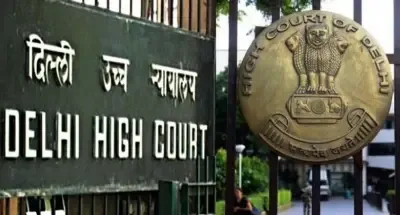
New Delhi, April 2 (NationPress) On Thursday, the Delhi High Court postponed the hearing regarding a plea from the Enforcement Directorate (ED) aimed at removing certain negative remarks made against it by a trial court during the discharge of all defendants, including AAP leaders Arvind Kejriwal and Manish Sisodia, in the excise policy matter.
A single-judge Bench led by Justice Swarana Kanta Sharma provided a "last and final opportunity" for the respondents, including Kejriwal and Sisodia, to submit their replies to the ED's petition.
Justice Sharma emphasized that if the replies are not submitted before the next hearing, the respondents will lose their right to present their responses, and the case will proceed without them.
The next hearing is scheduled for April 22.
This development follows the High Court's earlier decision to defer the hearing on March 19, granting time for the respondents to provide their replies concerning the ED's request to remove specific parts of the February 27 order from the Rouse Avenue Court.
The federal anti-money laundering agency, represented by Additional Solicitor General S.V. Raju and special counsel Zoheb Hossain, argued that the trial court made broad and unjustified comments against it while discharging the defendants in the CBI case related to the now-abandoned excise policy.
It was asserted that such remarks were made without giving the ED a chance to present its case, despite the trial court proceedings being limited to the corruption case initiated by the Central Bureau of Investigation (CBI) and not involving any offenses under the Prevention of Money Laundering Act (PMLA).
In its February 27 ruling, the trial court discharged 23 defendants, including Kejriwal and Sisodia, in the CBI corruption case while making certain remarks against the ED that are now being contested.
Additionally, the Delhi High Court is also handling the CBI's revision petition against the discharge order, which has suspended specific directives from the trial court, including actions against a CBI officer and comments regarding the investigative agency.
In a related matter, the Delhi High Court issued a notice to Kejriwal on Wednesday concerning a plea from the ED contesting his acquittal in complaint cases tied to alleged failure to comply with summons related to the excise policy money laundering issue.
Taking into account the ED's arguments, Justice Sharma noted that despite prior notice, Kejriwal did not appear and ordered a new notice to be issued while also requesting the trial court records.
The ED claimed that the trial court made a mistake in acquitting Kejriwal, asserting that the evidence clearly demonstrated that the summons under the PMLA were properly served and acknowledged.
This plea originated from complaint cases filed by the ED alleging intentional non-compliance with multiple summons addressed to Kejriwal under Section 50 of the PMLA.
Previously, a trial court had acquitted him, stating that the evidence did not justify prosecution.
Point of View
It is imperative to view this situation with an unbiased lens. The Delhi High Court's decision to postpone the hearing underscores the complex intersection of politics and law in India. The implications for key figures like Kejriwal and Sisodia are significant, as the case continues to unfold amidst public scrutiny and legal challenges.
NationPress
7 Oct 2026
Frequently Asked Questions
What is the main issue in the Delhi High Court case?
The case revolves around the Enforcement Directorate's plea to expunge adverse remarks made against it by a trial court while discharging all accused, including Arvind Kejriwal and Manish Sisodia, in the excise policy case.
Why was the hearing postponed?
The hearing was postponed to provide Arvind Kejriwal and Manish Sisodia with a final opportunity to submit their responses to the Enforcement Directorate's plea.
What are the implications of the trial court's remarks?
The trial court's remarks against the Enforcement Directorate are under challenge, as the ED argues they were made without a chance for them to present their case.
When is the next hearing scheduled?
The next hearing is scheduled for April 22.
What legal actions are being contested?
The Enforcement Directorate is contesting the trial court's discharge of the accused and the CBI's revision petition challenging the discharge order.