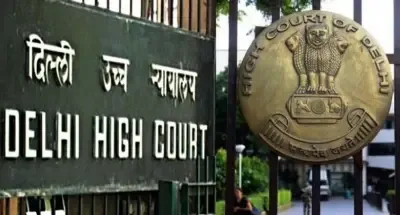
Delhi HC adjourns CBI plea against Kejriwal, Sisodia in excise policy case
Synopsis
The Delhi High Court deferred the CBI's challenge to Kejriwal and Sisodia's discharge in the excise policy case to 11 May, with the bench awaiting consent from senior advocates to serve as amici curiae — a rare procedural step forced by the AAP leaders' decision to boycott proceedings after the judge refused to recuse herself.
Key Takeaways
Delhi High Court adjourned the CBI plea against Arvind Kejriwal , Manish Sisodia , and others to 11 May 2025 .
The court is awaiting consent from senior advocates to be appointed as amici curiae for the AAP leaders who are boycotting proceedings.
Kejriwal , Sisodia , and Durgesh Pathak opted out after Justice Swarana Kanta Sharma declined to recuse herself.
The trial court had discharged all accused on 27 February in a judgment spanning more than 1,100 paragraphs .
Solicitor General Tushar Mehta indicated the maintainability of the CBI's revision petition will be argued in due course.
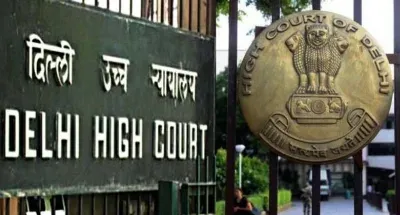
The Delhi High Court on Friday, 8 May adjourned the hearing on a petition filed by the Central Bureau of Investigation (CBI) challenging the discharge of Aam Aadmi Party (AAP) leaders Arvind Kejriwal, Manish Sisodia, and others in the alleged Delhi excise policy corruption case, as the court awaited consent from senior advocates proposed to be appointed as amici curiae.
Why the Hearing Was Deferred
A single-judge bench of Justice Swarana Kanta Sharma deferred the matter to 11 May, noting that the court was waiting for certain senior advocates to confirm their willingness to assist as amici curiae for Kejriwal, Sisodia, and AAP leader Durgesh Pathak — all three of whom have decided to abstain from participating in the proceedings.
Earlier this week, Justice Sharma had observed that the respondents were neither appearing in person nor represented through counsel, and had indicated that the assistance of amici curiae would be necessary before arguments on behalf of the CBI could be heard.
What the CBI Told the Court
Solicitor General Tushar Mehta, appearing for the CBI, informed the court that replies had been filed to applications moved by other accused persons in the matter. He further submitted that the issue of maintainability of the revision petition would be addressed during the course of his arguments.
Why AAP Leaders Are Boycotting the Proceedings
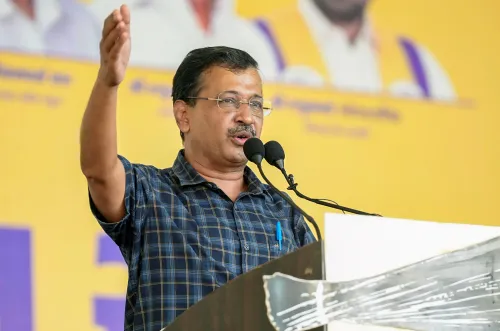
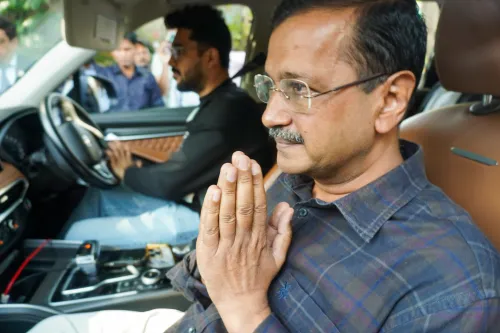
The AAP leaders opted out of the proceedings after Justice Sharma declined to recuse herself from hearing the matter. In a letter addressed to the court, Kejriwal stated that his hope of getting justice from the present bench stood shattered and invoked the path of Satyagraha, while reserving his right to challenge any adverse order before the Supreme Court. Sisodia conveyed a similar stand, stating that his decision to abstain was based on personal conviction and not out of disrespect towards the judiciary.
Background: Trial Court Discharge and CBI Challenge
The trial court, in a detailed judgment running into more than 1,100 paragraphs on 27 February, had discharged all the accused. The court rejected the prosecution's allegation of an overarching conspiracy, observing that the record suggested the excise policy was the outcome of a consultative and deliberative process.
In its revision plea, the CBI has alleged that the now-scrapped excise policy — introduced by the then AAP-led Delhi government — was manipulated to favour select liquor traders in exchange for kickbacks. The case has been one of the most closely watched political-legal battles in recent years, with both Kejriwal and Sisodia having previously spent time in judicial custody in connection with related proceedings.
What Happens Next
The matter is next listed for 11 May, by which time the court expects to have the amici curiae in place. Once constituted, the bench is expected to begin hearing substantive arguments on the CBI's revision petition, including on the question of maintainability that the Solicitor General flagged on Friday. The outcome of that preliminary question could determine whether the High Court's challenge to the discharge proceeds at all.
Point of View
Signalling that the party intends to fight this battle in public opinion as much as in the courtroom. The trial court's 1,100-paragraph discharge order was a significant setback for the CBI; the revision petition is its attempt to reset that narrative. How the High Court rules on maintainability alone could determine whether the case proceeds at all — a question the Solicitor General pointedly flagged but did not answer on Friday.
NationPress
25 Sept 2026
Frequently Asked Questions
What is the Delhi excise policy case?
The Delhi excise policy case involves allegations that the AAP-led Delhi government's now-scrapped excise policy was manipulated to favour select liquor traders in exchange for kickbacks. The CBI and the Enforcement Directorate have been investigating the matter, leading to the arrest of several AAP leaders including Arvind Kejriwal and Manish Sisodia.
Why did the Delhi High Court adjourn the hearing on 8 May?
The Delhi High Court adjourned the hearing to 11 May because it was awaiting consent from senior advocates proposed to be appointed as amici curiae for Kejriwal, Sisodia, and Durgesh Pathak, who have decided to abstain from the proceedings.
Why are Kejriwal and Sisodia boycotting the High Court proceedings?
Kejriwal and Sisodia decided to abstain from the proceedings after Justice Swarana Kanta Sharma declined to recuse herself from hearing the matter. Kejriwal stated his hope of getting justice from the bench was shattered and invoked Satyagraha, while Sisodia said his decision was based on personal conviction.
What did the trial court rule in the excise policy case?
The trial court discharged all accused on 27 February in a detailed judgment of more than 1,100 paragraphs, rejecting the prosecution's allegation of an overarching conspiracy and finding that the excise policy was the outcome of a consultative and deliberative process.
What is the CBI's argument in its revision petition?
The CBI has alleged in its revision petition that the now-scrapped Delhi excise policy was manipulated to favour select liquor traders in exchange for kickbacks, and is challenging the trial court's decision to discharge all the accused.