Delhi HC to initiate contempt action over defamatory posts in excise policy case
Synopsis
Justice Swarana Kanta Sharma of the Delhi High Court announced contempt proceedings mid-hearing after 'extremely vilifying and defamatory' social media posts were allegedly circulated against her — derailing the appointment of amici curiae for Kejriwal, Sisodia, and Pathak, who have already boycotted the case after a failed recusal bid.
Key Takeaways
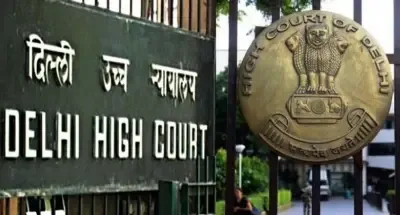
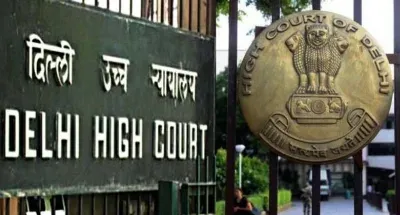
The Delhi High Court on 14 May announced contempt action over defamatory social media posts targeting Justice Swarana Kanta Sharma .
The posts were allegedly circulated in connection with the Delhi excise policy case involving Arvind Kejriwal , Manish Sisodia , and Durgesh Pathak .
Justice Sharma said she would pass a detailed contempt order at 5 PM the same day.
The CBI has challenged a Rouse Avenue Court order discharging all 23 accused in the case.
The three AAP leaders had already abstained from proceedings after their recusal plea was rejected.
The trial court's discharge order ran to more than 1,100 paragraphs , finding no overarching conspiracy in the excise policy's framing.
The Delhi High Court on Thursday, 14 May said it would initiate contempt proceedings after 'extremely vilifying and defamatory' material was allegedly circulated on social media against Justice Swarana Kanta Sharma, who is presiding over the Delhi excise policy case involving Aam Aadmi Party (AAP) leaders Arvind Kejriwal, Manish Sisodia, and others.
What Happened in Court
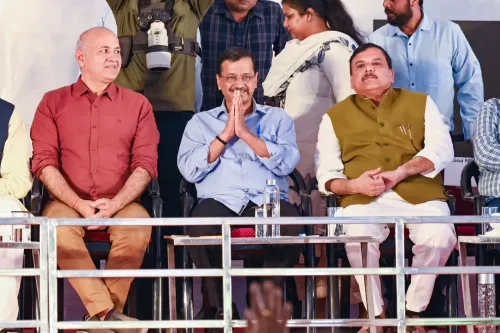
Justice Sharma, sitting as a single-judge Bench, made the remarks in open court while hearing a petition filed by the Central Bureau of Investigation (CBI) challenging a trial court order that discharged all 23 accused in the case. Those discharged include former Delhi Chief Minister Arvind Kejriwal, former Deputy Chief Minister Manish Sisodia, and AAP leader Durgesh Pathak.
'Today I was to announce the amicus curiae… some seniors had graciously accepted. However, some respondents have posted extremely vilifying and defamatory material against me. I cannot stay silent,' Justice Sharma stated from the Bench.
The judge announced that contempt action would be considered against certain accused persons as well as others allegedly involved in circulating the material. 'I am going to take contempt action. I will pass a detailed order at 5 PM,' Justice Sharma said.
Background: Recusal Plea and Amicus Curiae
The development follows a sequence of procedural disputes. The three AAP leaders — Kejriwal, Sisodia, and Pathak — had chosen to abstain from participating in the proceedings after Justice Sharma rejected their applications seeking her recusal from the case. In response, the court had indicated it would appoint senior advocates as amici curiae to represent them.
Last week, the court had adjourned the matter while awaiting consent from senior advocates proposed for the amicus role. The announcement of those appointments was expected on Thursday — the same session that was disrupted by the social media controversy.
The Trial Court's Discharge Order
The Rouse Avenue Court had earlier discharged all accused in a detailed judgment spanning more than 1,100 paragraphs. The trial court held that the record indicated the now-scrapped excise policy was the outcome of a 'consultative and deliberative process', rejecting the prosecution's allegation of an overarching conspiracy.
The CBI, in its revision petition before the Delhi High Court, has alleged that the excise policy introduced by the then Delhi government was manipulated to favour select liquor traders in exchange for kickbacks. On 9 March, Justice Sharma had issued notice to respondents on the CBI's plea.
Other Court Directions
The Delhi High Court had also stayed the trial court's direction for departmental action against a CBI officer, along with adverse remarks made against the investigating agency. The case now moves toward a contempt order, with the broader CBI revision petition still pending adjudication.
The contempt proceedings, if formalised, would mark a significant escalation in what is already one of the most closely watched judicial proceedings in the capital.
Point of View
They then boycotted proceedings, and now material allegedly linked to respondents has surfaced attacking the judge. Whether that sequence constitutes a coordinated strategy to delegitimise the court's jurisdiction will be central to the contempt order. The CBI's revision petition itself remains a high-stakes test of whether discharge orders in complex conspiracy cases can withstand appellate scrutiny when the trial court and the prosecution read the same record so differently.
NationPress
30 Sept 2026
Frequently Asked Questions
Why is the Delhi High Court initiating contempt proceedings in the excise policy case?
The Delhi High Court announced contempt action after 'extremely vilifying and defamatory' material was allegedly posted on social media against Justice Swarana Kanta Sharma, who is hearing the CBI's challenge to the discharge of 23 accused in the excise policy case. Justice Sharma said she could not stay silent and would pass a detailed order the same evening.
Who are the accused in the Delhi excise policy case?
The case involves 23 accused persons, including former Delhi Chief Minister Arvind Kejriwal, former Deputy Chief Minister Manish Sisodia, and AAP leader Durgesh Pathak. All were discharged by the Rouse Avenue Court, a decision the CBI has challenged before the Delhi High Court.
Why did the AAP leaders boycott the Delhi High Court proceedings?
Arvind Kejriwal, Manish Sisodia, and Durgesh Pathak chose to abstain from the proceedings after Justice Swarana Kanta Sharma rejected their applications seeking her recusal from the case. The court subsequently moved to appoint senior advocates as amici curiae to represent them.
What did the trial court find in the excise policy case?
The Rouse Avenue Court discharged all 23 accused in a judgment spanning more than 1,100 paragraphs, holding that the excise policy was the result of a consultative and deliberative process. It rejected the CBI's allegation of an overarching conspiracy.
What is the CBI's allegation in the Delhi excise policy case?
The CBI alleges that the excise policy introduced by the then Delhi government was manipulated to favour select liquor traders in exchange for kickbacks. It has filed a revision petition in the Delhi High Court challenging the trial court's discharge order.