Delhi HC to appoint amici curiae for Kejriwal, Sisodia in excise case
Synopsis
With Kejriwal invoking Satyagraha and Sisodia citing personal conviction, all three key AAP accused have walked out of their own defence in the Delhi excise policy case — forcing the High Court to appoint amici curiae just to keep proceedings moving. The CBI's challenge to their discharge now hinges on arguments made by court-appointed lawyers, not the accused themselves.
Key Takeaways
The Delhi High Court will appoint three senior advocates as amici curiae to represent Kejriwal , Sisodia , and Pathak after they chose to abstain from proceedings.
Justice Swarana Kanta Sharma flagged the absence of representation during the CBI petition hearing on 5 May 2025 .
The matter has been posted for further hearing on 8 May 2025 .
Kejriwal cited loss of faith in the bench invoking "Satyagraha" ; Sisodia said his abstention was driven by personal conviction, not hostility to the judiciary.
The trial court had discharged all accused on 27 February in a judgment spanning over 1,100 paragraphs , finding no overarching conspiracy.
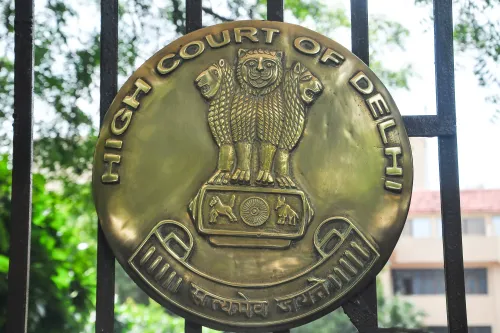
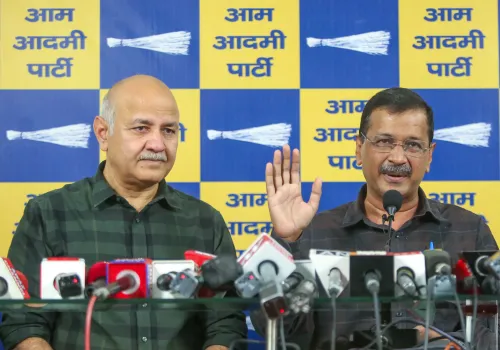
The Delhi High Court on Wednesday, 5 May 2025, said it will appoint three senior advocates as amici curiae to represent Aam Aadmi Party (AAP) leaders Arvind Kejriwal, Manish Sisodia, and Durgesh Pathak, who have chosen to abstain from participating in proceedings linked to the alleged Delhi excise policy case. The decision came during the hearing of a Central Bureau of Investigation (CBI) petition challenging the trial court's order discharging the three leaders in a corruption case.
What Prompted the Court's Decision
A single-judge Bench of Justice Swarana Kanta Sharma flagged the complete absence of representation for the three AAP leaders during Wednesday's hearing. Observing that the respondents were neither present in person nor represented through counsel, Justice Sharma said it would be appropriate to appoint senior advocates as amici curiae to assist the court before proceeding with the CBI's arguments.
"I will appoint some senior as amicus for respondents… It will be appropriate if I hear arguments of CBI once I appoint an amicus," Justice Sharma said, posting the matter for further hearing on 8 May.
Why the AAP Leaders Are Boycotting Proceedings
The AAP leaders' decision to abstain stems directly from the court's refusal to recuse itself from the case. In a letter, Kejriwal invoked the path of "Satyagraha", stating that his "hope of getting justice" from Justice Sharma stood "shattered", while asserting his right to challenge any adverse decision before the Supreme Court. Sisodia conveyed a similar stance, stating that his decision to abstain was not driven by hostility towards the judiciary but by personal conviction.
Background: The CBI Petition and Trial Court Discharge
The Delhi High Court is hearing a criminal revision petition filed by the CBI challenging a trial court order that discharged Kejriwal, Sisodia, and other accused in the alleged Delhi excise policy scam. The trial court, in a detailed judgment running into more than 1,100 paragraphs on 27 February, had discharged all accused, rejecting the prosecution's allegation of an overarching conspiracy. It observed that the record suggested the excise policy was the outcome of a consultative and deliberative process.
The CBI has alleged that the now-scrapped excise policy, introduced by the then AAP-led Delhi government, was manipulated to favour select liquor traders in exchange for kickbacks. Earlier, the Delhi High Court had issued notice on the CBI's revision plea and stayed certain adverse remarks made by the trial court against the investigating agency and its officers.
What Happens Next
With the next hearing scheduled for 8 May, the court is expected to formally name the three amici curiae before taking up the CBI's arguments on merits. The outcome of this petition could have significant implications for the AAP leaders, who were discharged after the trial court found insufficient grounds to frame charges against them. All eyes will be on whether the High Court upholds, modifies, or overturns that discharge order.
Point of View
They cede the first line of defence to court-appointed amici, whose brief is to assist the court rather than advocate for the accused. The CBI's revision petition is the real battleground: if the High Court reinstates charges, the discharge order that took over 1,100 paragraphs to construct unravels overnight. The deeper question is whether this boycott strategy, borrowed from civil disobedience tradition, can survive contact with a criminal appellate court that is obligated to proceed regardless of the accused's participation.
NationPress
7 Oct 2026
Frequently Asked Questions
Why is the Delhi High Court appointing amici curiae in the excise policy case?
The Delhi High Court is appointing three senior advocates as amici curiae because AAP leaders Arvind Kejriwal, Manish Sisodia, and Durgesh Pathak have chosen to abstain from the proceedings and are neither appearing in person nor through counsel. Justice Swarana Kanta Sharma decided to appoint amici to ensure the court has assistance before hearing the CBI's arguments.
Why have Kejriwal and Sisodia boycotted the Delhi High Court proceedings?
Both leaders decided to abstain after Justice Swarana Kanta Sharma declined to recuse herself from the case. Kejriwal invoked the path of Satyagraha, saying his hope of getting justice stood shattered, while Sisodia said his decision was driven by personal conviction rather than hostility towards the judiciary.
What is the CBI's case in the Delhi excise policy matter?
The CBI has alleged that the now-scrapped Delhi excise policy, introduced by the then AAP-led government, was manipulated to favour select liquor traders in exchange for kickbacks. It filed a criminal revision petition in the Delhi High Court challenging the trial court's order that discharged Kejriwal, Sisodia, and other accused.
What did the trial court find when it discharged the accused?
The trial court, in a judgment of over 1,100 paragraphs delivered on 27 February, discharged all accused after rejecting the prosecution's allegation of an overarching conspiracy. It observed that the record indicated the excise policy was the product of a consultative and deliberative process.
When is the next hearing in the Delhi excise policy High Court case?
The next hearing has been scheduled for 8 May 2025, by which time the court is expected to formally name the amici curiae before proceeding with the CBI's arguments on the merits of the revision petition.