Delhi High Court to Review CBI's Appeal Against Discharge of Kejriwal and Sisodia
Synopsis
Next week, the Delhi High Court will examine the CBI's challenge against a trial court's ruling that discharged Arvind Kejriwal, Manish Sisodia, and others in a high-profile excise policy case. The outcome could have significant political implications.
Key Takeaways
The Delhi High Court will hear the CBI's appeal on March 9.
The case involves allegations of corruption linked to the 2021-22 excise policy.
The trial court found insufficient evidence to proceed with charges.
Political repercussions could follow depending on the High Court's ruling.
Transparency and accountability in governance remain central to public trust.
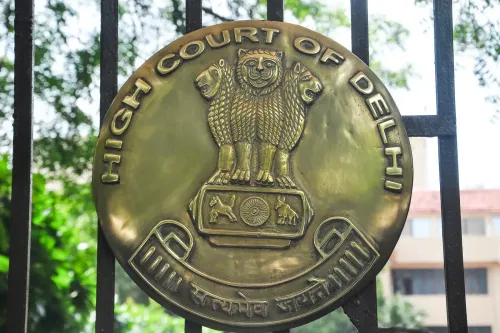
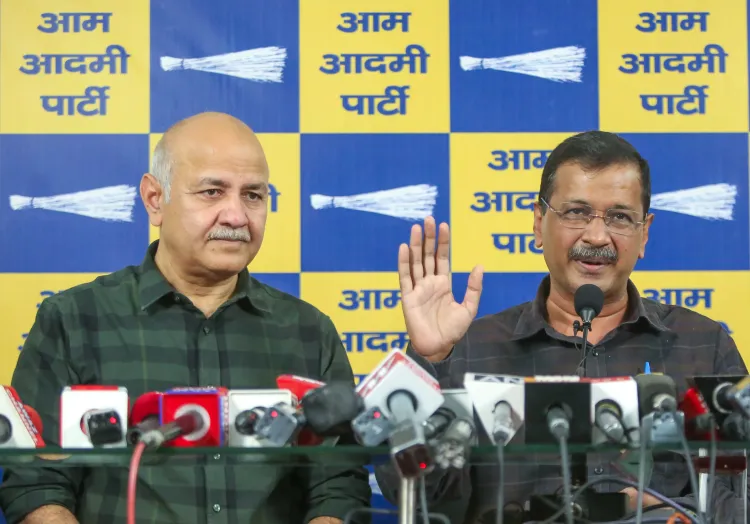
New Delhi, March 1 (NationPress) The Delhi High Court is set to hear a petition next week from the Central Bureau of Investigation (CBI) contesting a trial court ruling that discharged AAP national convenor Arvind Kejriwal, former Deputy Chief Minister Manish Sisodia, and 21 others in the 2022 Delhi excise policy case.
According to the causelist posted on the official Delhi High Court website, the case is scheduled for consideration by a single-judge Bench led by Justice Swarnakanta Sharma on March 9.
The CBI has filed a criminal revision petition challenging the comprehensive order issued by the Rouse Avenue Court, which denied the framing of charges against all 23 accused, stating that the prosecution did not present even a prima facie case that warranted a trial.
On February 27, Special Judge (PC Act) Jitendra Singh delivered an order exceeding 1,100 paragraphs, determining that the case presented by the CBI was "entirely incapable of withstanding judicial scrutiny" and was "discredited in its entirety".
The trial court, after reviewing extensive documentation and testimonies from nearly 300 prosecution witnesses, concluded that no evidence emerged to raise even a "serious suspicion" against the defendants. It noted that forcing them into a comprehensive trial in the absence of legally admissible evidence would constitute a "manifest miscarriage of justice" and an abuse of the criminal process.
This case revolves around the Delhi Excise Policy for 2021-22, initiated by the then AAP-led administration, which was later annulled amid allegations of corruption and kickbacks.
The CBI alleged that the policy was designed to favor certain private liquor businesses, including the so-called "South Group", in exchange for purported upfront bribes allegedly funneled for electoral purposes. Additionally, it claimed that irregularities in the creation and execution of the policy led to undue advantages for license holders and significant losses for the public treasury. However, the trial court dismissed the agency's "theory of a widespread conspiracy", asserting that the contemporaneous records indicated that the policy was crafted through a consultative and deliberative process that adhered to standard procedures.
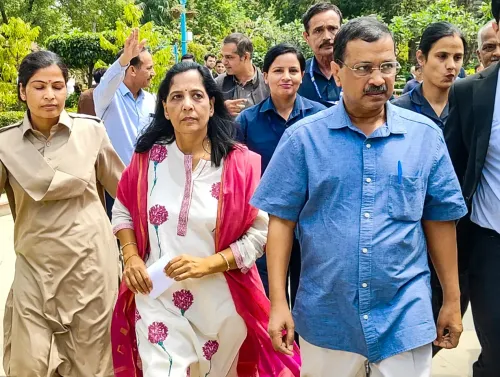
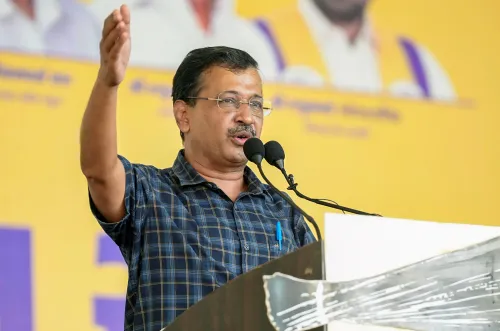
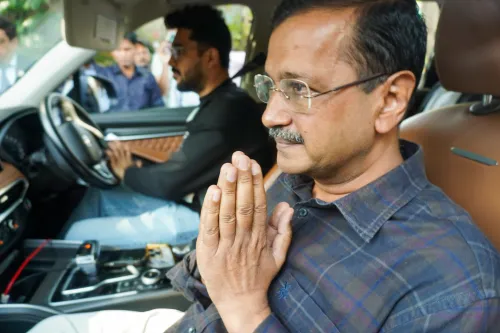
Following the discharge order, Kejriwal labeled the case as "false and fabricated" and expressed trust in the judiciary, stating "Satyamev Jayate", while Sisodia was observed comforting him outside the court amid party supporters.
In response to these developments, former Delhi BJP President and MP Manoj Tiwari remarked that the celebrations within AAP could be short-lived, as the CBI's appeal to the Delhi High Court might reverse the trial court's ruling.
During a press conference, Tiwari alleged that numerous SIM cards and mobile devices had been destroyed and questioned the withdrawal of the excise policy if it was legally sound. He also referenced earlier proceedings in the Supreme Court, which had imposed restrictions on Kejriwal's operational capacity at that period. "This transcends a mere legal matter; it is a question of public confidence. The residents of Delhi have the right to uncover the full truth," Tiwari asserted, adding that the BJP would persist in pursuing the issue on both political and legal fronts until accountability is established.
Point of View
This case exemplifies the intricate dance between politics and judicial proceedings in India. The upcoming Delhi High Court hearing could reshape the political landscape and public trust in governance, emphasizing the importance of transparency and accountability in public office.
NationPress
23 Sept 2026
Frequently Asked Questions
What is the Delhi excise policy case about?
The Delhi excise policy case involves allegations of corruption and kickbacks related to the 2021-22 excise policy initiated by the AAP government, which was later withdrawn amid claims of benefiting specific private liquor entities.
Who are the main figures involved in this case?
The main figures involved include AAP national convenor Arvind Kejriwal, former Deputy Chief Minister Manish Sisodia, and 21 other accused individuals.
What did the trial court decide?
The trial court ruled against framing charges for the accused, stating that the prosecution did not present sufficient evidence to warrant a trial.
What is the CBI's position on the trial court's decision?
The CBI has filed a revision petition challenging the trial court's ruling, claiming that their evidence substantiates a case for prosecution.
What are the implications of the upcoming Delhi High Court hearing?
The hearing could potentially overturn the trial court's decision, significantly impacting the political landscape for the AAP and the public perception of governance in Delhi.