CBI Appeals to Delhi HC Against Rouse Avenue Court's Discharge of Kejriwal and Sisodia
Synopsis
In a significant legal development, the CBI challenges the Delhi High Court's ruling that discharged Arvind Kejriwal and Manish Sisodia in the Delhi excise policy case. This case, shrouded in allegations of corruption, continues to unfold amid political tensions.
Key Takeaways
CBI has filed an appeal against the discharge of 23 accused in the Delhi excise policy case.
The trial court found insufficient evidence for a trial.
The case involves serious allegations of corruption within the AAP government.
Kejriwal and Sisodia maintain their innocence and criticize the prosecution.
The outcome could have significant implications for political accountability.
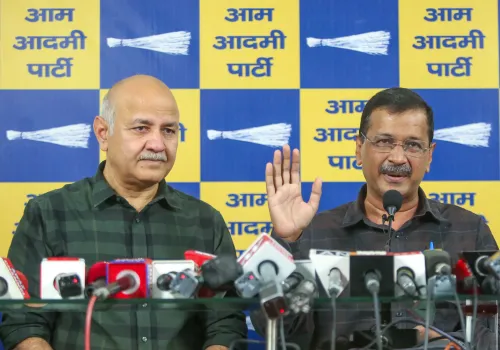
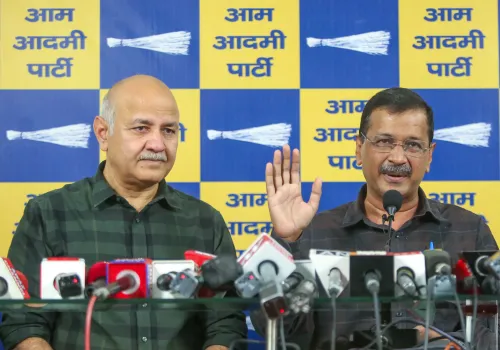
New Delhi, Feb 27 (NationPress) The Central Bureau of Investigation (CBI) has approached the Delhi High Court to contest the Rouse Avenue Court's decision that discharged all 23 defendants, including AAP's national convenor Arvind Kejriwal and former Deputy Chief Minister Manish Sisodia, in the 2022 Delhi excise policy controversy.
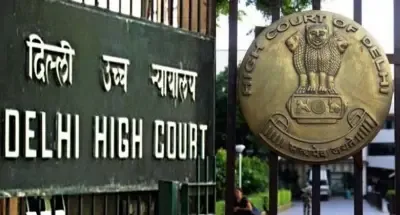
The central agency has submitted a criminal revision petition against the trial court’s comprehensive ruling, which declined to establish charges in the corruption case and determined that the prosecution did not present even a prima facie case that warranted a trial.
Earlier today, Special Judge (PC Act) Jitendra Singh of the Rouse Avenue Court, in an extensive order of over 1,100 paragraphs, declared that the case presented by the CBI was “completely incapable of surviving judicial scrutiny” and was “entirely discredited”.
The court stated that after a thorough examination of the extensive records and testimonies of nearly 300 prosecution witnesses, no evidence surfaced to raise even a “serious suspicion” against the defendants.
The Special Judge remarked that forcing the accused to endure a comprehensive trial without legally admissible evidence would result in a “manifest miscarriage of justice” and an abuse of the judicial process.
This case is linked to the Delhi Excise Policy 2021–22 introduced by the then AAP-led city government, which was later annulled amidst allegations of corruption, kickbacks, and policy manipulation.
The CBI alleged that this policy was designed to favor specific private liquor entities, including the “South Group”, in return for purported upfront bribes that were allegedly channeled for electoral purposes.
The agency claimed that irregularities in the creation and execution of the policy led to undue advantages for licensees and financial losses to the public treasury.
However, the trial court dismissed the notion of an “overarching conspiracy”, asserting that the existing records demonstrated that the policy was the result of a consultative process involving stakeholder engagement, and adhered to the legally mandated procedures.
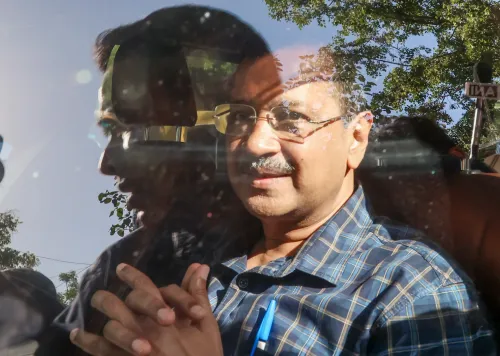
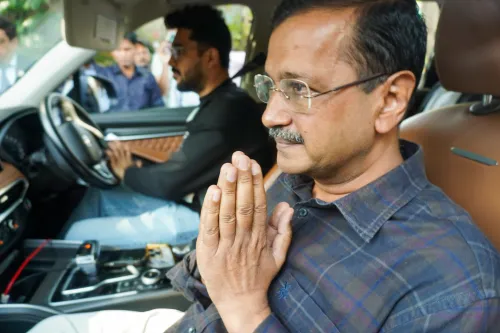
Following the discharge order, Kejriwal labeled the case as “false and fabricated” and reaffirmed his confidence in the judiciary, stating “Satyamev Jayate”.
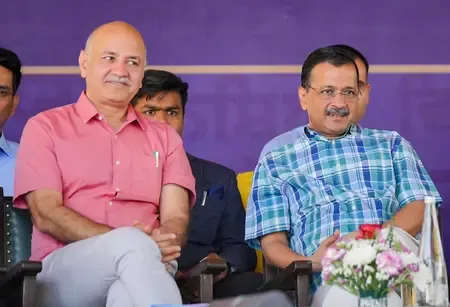
Sisodia was seen comforting him as party supporters gathered outside the court premises.
Nonetheless, the CBI has insisted that numerous facets of the investigation were either overlooked or inadequately addressed by the trial court, and has sought a review of the findings before the Delhi High Court.
Point of View
It is crucial to present an unbiased perspective on the CBI's recent move. This legal battle not only highlights the complexities of the judicial process but also raises questions about governance and accountability in political leadership. The unfolding events demand close attention as they could significantly impact public trust in political institutions.
NationPress
13 Oct 2026
Frequently Asked Questions
What is the basis of the CBI's appeal?
The CBI's appeal is based on contesting the Rouse Avenue Court's decision to discharge all accused in the Delhi excise policy case, arguing that the trial court did not adequately consider evidence presented.
Who are the key figures involved in this case?
The key figures involved in this case include AAP national convenor Arvind Kejriwal and former Deputy Chief Minister Manish Sisodia.
What were the allegations against the AAP leaders?
The allegations include corruption, kickbacks, and manipulation of the Delhi excise policy to benefit certain private liquor entities.
What did the trial court conclude regarding the case?
The trial court concluded that the CBI's case was unable to survive judicial scrutiny and lacked sufficient evidence to support a trial.
What did Kejriwal say after the discharge order?
Kejriwal described the case as 'false and fabricated' and expressed his confidence in the judiciary.