Kejriwal Requests Justice Sharma's Recusal in Delhi Excise Policy Case
Synopsis
On April 5, Arvind Kejriwal and co-accused filed a request for Justice Sharma's recusal in the Delhi excise policy case. This pivotal move comes amid ongoing CBI proceedings challenging a trial court's decision to discharge all accused, including Kejriwal.
Key Takeaways
Kejriwal's recusal request aims to ensure fair judicial proceedings.
The CBI contests a trial court ruling that discharged all accused.
The case highlights significant issues of corruption and judicial impartiality.
ED seeks to correct adverse remarks from the trial court.
Kejriwal's Supreme Court challenge raises questions about roster management.
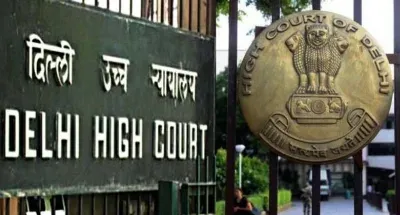
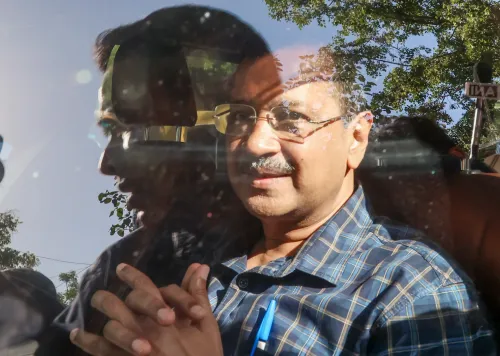
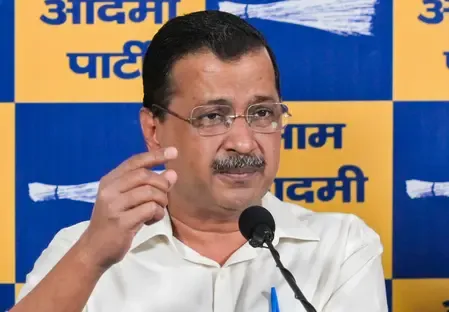
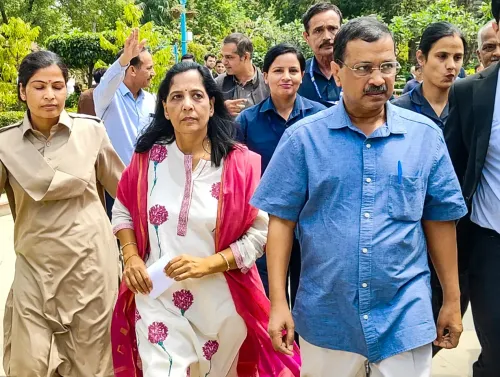
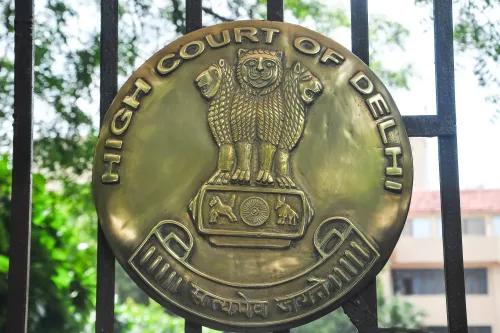
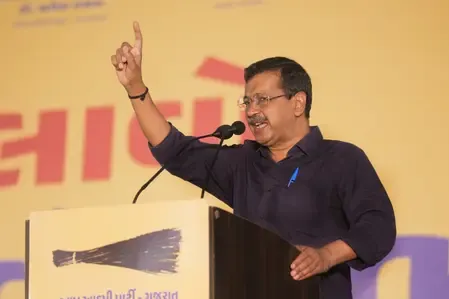
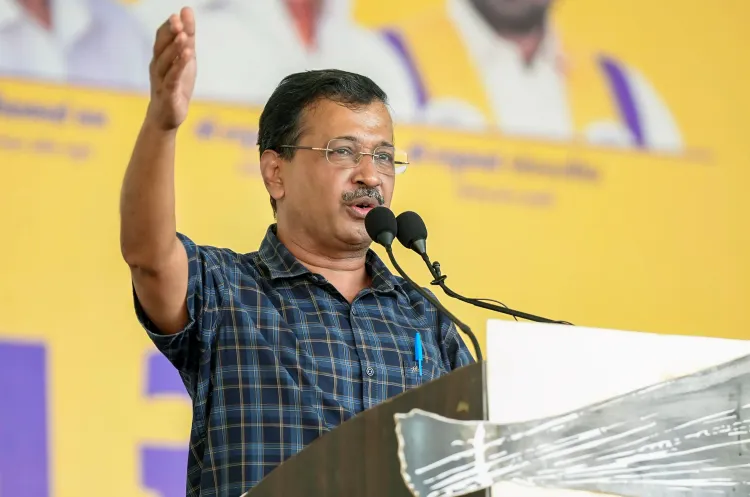
In New Delhi on April 5, the National Convenor of the Aam Aadmi Party (AAP), Arvind Kejriwal, along with several co-defendants in the alleged Delhi excise policy scandal, has filed a recusal application with the Delhi High Court. They are requesting that the case be assigned to a different bench, rather than one led by Justice Swarana Kanta Sharma.
According to sources, Kejriwal is expected to present his arguments in person at the High Court on Monday in favor of this recusal request.
This move comes as the Delhi High Court is currently reviewing a criminal revision petition lodged by the Central Bureau of Investigation (CBI), which contests a trial court's ruling that discharged all 23 defendants, including Kejriwal and former Deputy Chief Minister Manish Sisodia, in the corruption case concerning the now-repealed excise policy.
Previously, a single-judge bench under Justice Sharma had issued a notice to the accused parties regarding the CBI's challenge to the discharge ruling made by the Rouse Avenue Court. Justice Sharma had also put a hold on the trial court’s directive that called for departmental actions against a CBI officer involved in the investigation, as well as criticisms directed towards the agency.
This recusal request is being filed amid ongoing related petitions, including one from the Enforcement Directorate (ED), which is seeking the removal of negative remarks made against it by the trial court during the discharge ruling.
The ED argues that these remarks were irrelevant to the case and were made without allowing the agency, which was not a party to the trial court at that time, the chance to defend itself.
The trial court’s comprehensive judgment, delivered on February 27, noted that the available evidence did not support a broad conspiracy in the development of the Delhi Excise Policy 2021–22, indicating that the policy was crafted through a consultative and deliberative method.
However, the CBI asserts before the Delhi High Court that the discharge ruling was “perverse” and effectively an acquittal without a trial, claiming that the policy was altered to benefit specific private liquor companies in exchange for alleged bribes.
Separately, Kejriwal has approached the Supreme Court to contest the Delhi High Court Chief Justice's decision to deny his request for the reassignment of the CBI’s plea from Justice Sharma’s bench.
In his writ petition to the apex court, Kejriwal criticized the communication from the Registrar General of the Delhi High Court stating that Chief Justice Devendra Kumar Upadhyaya -- the master of the roster -- had opted not to reassign the matter based on roster allocation.
The petition argues that this refusal to transfer the case creates a “grave, bona fide and reasonable apprehension” about the impartiality and fairness of the legal proceedings.
Additionally, Kejriwal referenced previous instances where bail was denied to some defendants by the same bench but subsequently granted by the Supreme Court. He has also filed a Special Leave Petition (SLP) disputing certain remarks made by the Delhi High Court during the CBI’s revision petition.
Point of View
The ongoing developments in the Delhi excise policy case highlight crucial issues surrounding accountability and judicial impartiality. Kejriwal's request for recusal underscores the contentious nature of the proceedings, prompting debates on the integrity of the justice system amidst serious allegations.
NationPress
7 Oct 2026
Frequently Asked Questions
What is the Delhi excise policy case about?
The Delhi excise policy case involves allegations of corruption linked to the now-repealed excise policy, which allowed for the manipulation of licenses to benefit certain private entities.
Why is Kejriwal seeking Justice Sharma's recusal?
Kejriwal is seeking Justice Sharma's recusal to ensure a fair trial, citing concerns over impartiality and previous rulings that he believes could bias the proceedings.
What does the CBI claim regarding the trial court's discharge order?
The CBI claims that the trial court's discharge order was 'perverse' and amounted to an acquittal without trial, alleging that the excise policy was manipulated for bribes.
How has the ED responded in this case?
The Enforcement Directorate has filed a petition to expunge negative remarks made against it by the trial court, arguing that such comments were made without allowing the agency a chance to respond.
What steps has Kejriwal taken beyond the Delhi High Court?
Kejriwal has approached the Supreme Court to challenge the denial of his request for the transfer of the CBI's plea from Justice Sharma's bench.