CBI Challenges Kejriwal's Recusal Plea Against Justice Sharma in Delhi Excise Policy Case
Synopsis
In a significant legal battle, the CBI has opposed AAP leader Arvind Kejriwal's bid to remove Justice Swarana Kanta Sharma from the Delhi excise policy case, labeling the plea as 'frivolous' and 'baseless'. The court's decision could have major implications for the ongoing corruption investigation.
Key Takeaways
CBI opposes recusal plea from Justice Sharma in the excise policy case.
Claims of bias regarding the judge are dismissed as unfounded.
The CBI warns against the implications of accepting such recusal requests.
Judicial integrity is emphasized amid political scrutiny.
The outcome of this case could significantly impact ongoing investigations.
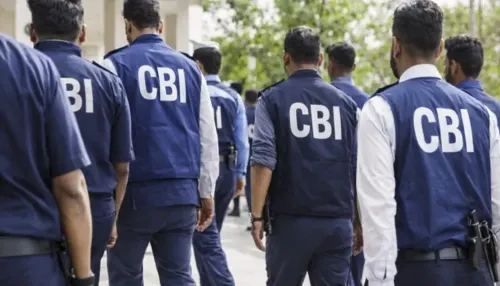
New Delhi, April 8 (NationPress) The Central Bureau of Investigation (CBI) has voiced strong opposition against the recusal requests made by multiple accused, including AAP Convenor Arvind Kejriwal, who are seeking the withdrawal of Justice Swarana Kanta Sharma from the Delhi excise policy case. The CBI characterized these applications as "frivolous, baseless, and contemptuous".
In a comprehensive response submitted to the Delhi High Court on Wednesday, the investigative agency argued that the claims made are "entirely vexatious" and represent an attempt to "undermine the dignity of the court".
According to the CBI’s affidavit, the request for the recusal of an esteemed judge based on such frivolous and unfounded claims is tantamount to being contemptuous. They further emphasized that the allegations do not present any legally sustainable grounds for recusal and warned that accepting such requests could lead to a troubling precedent that encourages "forum shopping".
The agency also dismissed claims suggesting that certain interim observations indicated a "pre-determined bias". The CBI clarified that judicial comments made during interim proceedings cannot be interpreted as indicative of bias.
"It is well established that remarks made while issuing interim orders do not bind the court at the final hearing stage and cannot constitute a source of bias," the affidavit reiterated.
The CBI also stated that the recusal requests effectively aim to establish an unreasonable rule that any court granting interim relief must recuse itself from further proceedings.
In addressing the allegations concerning the judge’s supposed ties to the Akhil Bhartiya Adhivakta Parishad, the CBI labeled these claims as "unscrupulous and sweeping". They argued that participation in a legal seminar cannot be grounds for recusal, especially when the seminar’s topic was not politically charged, thus failing to demonstrate any ideological bias.
The CBI warned that granting recusal requests based on prior judicial remarks would jeopardize the rule of law and lead to "bench hunting".
It further pointed out that the recusal applications obscure critical facts, including instances where the same bench had granted reliefs to certain accused individuals.
"The issuance of both favorable and unfavorable orders demonstrates that there can be no reasonable apprehension of bias," the agency asserted.
They emphasized that concerns regarding bias must be "reasonable and not mere fabrications", and that recusal cannot be pursued "lightly".
The CBI firmly stated that no litigant possesses the right to demand a bench of their choosing, reiterating that the authority to allocate benches rests solely with the Chief Justice of India, Surya Kant, who acts as the "master of the roster".
"No party has the entitlement to be heard by a bench of its own preference," the agency concluded.
This development follows the Delhi High Court issuing a notice on April 6 regarding Kejriwal's recusal application, wherein he appeared in person to request the transfer of the case from Justice Sharma's bench.
The Delhi High Court is currently reviewing the CBI's appeal against a trial court ruling that discharged Kejriwal, former Delhi Deputy Chief Minister Manish Sisodia, and others from the alleged corruption case tied to the now-repealed Delhi Excise Policy 2021–22.
Point of View
This situation highlights the ongoing political tensions and legal complexities surrounding the Delhi excise policy case. The CBI's firm stance against Kejriwal's recusal plea reflects the intricate balance of justice and political accountability in India today. As the situation evolves, it underscores the importance of maintaining judicial integrity amidst political scrutiny.
NationPress
10 Oct 2026
Frequently Asked Questions
What is the basis of the CBI's opposition to the recusal plea?
The CBI argues that the recusal requests are 'frivolous' and 'baseless', attempting to undermine the dignity of the court.
Who is Justice Swarana Kanta Sharma?
Justice Swarana Kanta Sharma is the judge currently presiding over the Delhi excise policy case.
What is the significance of the Delhi excise policy case?
The case involves allegations of corruption related to the now-repealed Delhi Excise Policy 2021–22, impacting several political figures.
What did the CBI say about claims of bias?
The CBI stated that interim observations do not indicate bias and that concerns about bias must be reasonable.
What could happen if the recusal plea is accepted?
Accepting the recusal plea could lead to a dangerous precedent and undermine the rule of law.