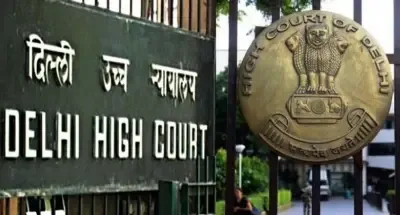
Delhi High Court Grants More Time for Kejriwal and Others in ED Plea
Synopsis
The Delhi High Court has postponed the hearing on the Enforcement Directorate's plea involving AAP leaders Kejriwal and Sisodia, allowing them more time to respond. This case centers on allegations from the now-canceled excise policy, raising questions about judicial integrity and due process.
Key Takeaways
The Delhi High Court has deferred the hearing on the ED's plea.
AAP leaders Kejriwal and Sisodia are central figures in the case.
The court emphasized the importance of allowing responses to be heard.
The case involves serious allegations of corruption in the excise policy.
Next hearing is set for April 2, which could impact ongoing investigations.
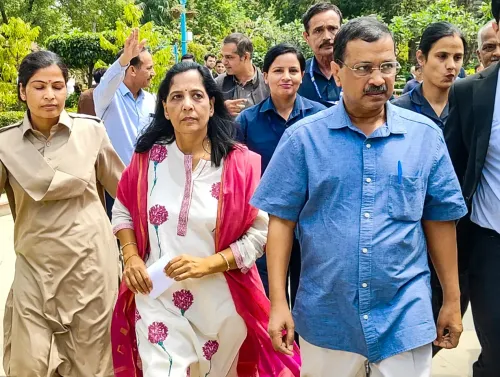
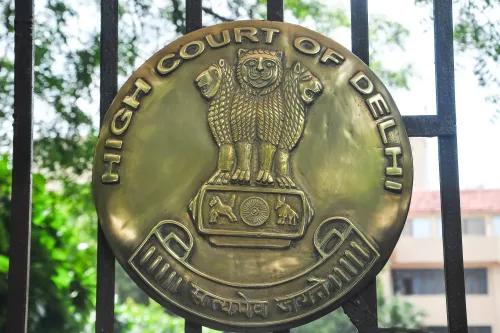
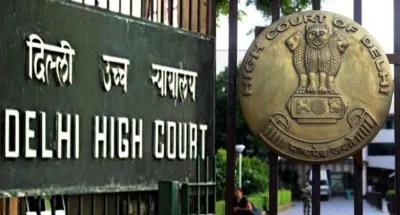
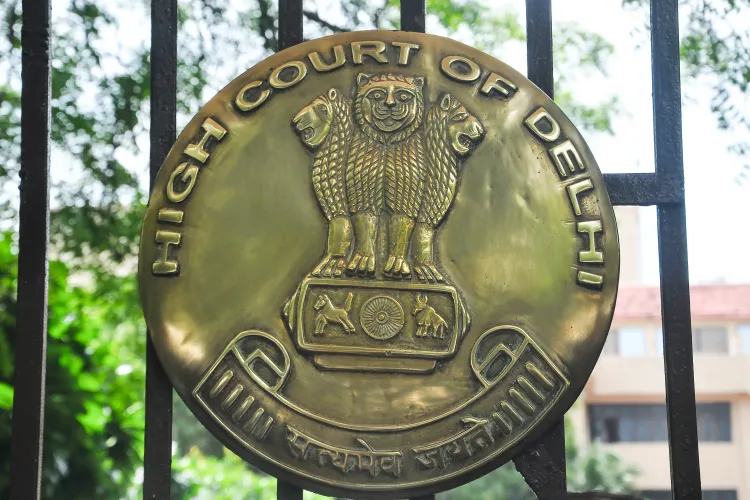
New Delhi, March 19 (NationPress) - The Delhi High Court has postponed the hearing regarding a petition from the Enforcement Directorate (ED) that aims to remove specific negative remarks made against it by a trial court during the discharge of all accused, including AAP leaders Arvind Kejriwal and Manish Sisodia, in the excise policy matter.
A single-judge bench led by Justice Swarana Kanta Sharma granted the request from the counsel representing the AAP leaders and other involved parties for more time to submit their responses.
During the proceedings, Additional Solicitor General S.V. Raju, representing the ED, along with special counsel Zoheb Hossain, opposed the plea for more time, asserting that the respondents had already received copies of the petition and there was no need for further replies.
Raju argued that the respondents were attempting to stall the process and maintained that no harm would come to them if the Delhi High Court ruled in favor of the ED without waiting for their responses.
Justice Sharma, however, indicated that since an order had already been made to call for replies, the respondents deserved the chance to voice their arguments. She stated, “Since I passed an order, if they want to say something, let them say. Let it be listed for April 2. I will hear and then pass a final order. They (ED) can start. Maybe you (respondents) won’t even start on that date. Only reply is being called for April 2. Nothing is happening on that day.”
The case has been scheduled for another hearing on April 2. This development follows the ED's plea to remove certain segments of the February 27 ruling by the Rouse Avenue Court, which had discharged all 23 defendants in the corruption case associated with the now-repealed excise policy implemented by the former AAP-led Delhi government.
The ED contends that the trial court made broad and irrelevant remarks against it, despite the proceedings being focused solely on the Central Bureau of Investigation (CBI) case, and claimed these comments were made without allowing the federal anti-money laundering body a chance to respond.
Previously, on March 10, the Delhi High Court had issued a notice regarding the ED's petition and suggested that it would be reviewed alongside the CBI’s criminal revision request contesting the discharge order.
Justice Sharma noted that the entire trial court judgment is already under scrutiny and remarked that it would investigate whether such general comments against the ED could have been made in the absence of proceedings under the Prevention of Money Laundering Act (PMLA).
Additionally, the Delhi High Court is also reviewing the CBI's revision request challenging the discharge of Kejriwal, Sisodia, and 21 others, in which it has already issued a notice and halted the trial court’s directive for departmental action against a CBI officer, along with the remarks directed at the investigating agency.
The CBI argued that the trial court’s decision was legally unsound and constituted an acquittal without a trial, alleging that the excise policy was skewed to favor select liquor traders in exchange for bribes.
In a related move, Kejriwal has approached the Supreme Court to contest the refusal of the Chief Justice of the Delhi High Court to transfer the CBI’s plea from Justice Sharma’s bench, claiming that this decision raises concerns over impartiality.
He has also submitted a Special Leave Petition (SLP) to the Supreme Court challenging the stay imposed by the Delhi High Court during the CBI’s revision plea hearing.
Point of View
The unfolding developments in the Delhi High Court regarding the excise policy case highlight critical issues of judicial process and political accountability. The court's decision to allow additional time for responses signifies a commitment to due process, ensuring that all parties have the opportunity to present their arguments fairly.
NationPress
7 Oct 2026
Frequently Asked Questions
What is the excise policy case about?
The excise policy case revolves around allegations of corruption linked to a now-repealed liquor policy introduced by the AAP-led Delhi government.
Who are the key figures involved?
Key figures include AAP leaders Arvind Kejriwal and Manish Sisodia, along with officials from the Enforcement Directorate.
What is the Enforcement Directorate seeking?
The Enforcement Directorate is seeking to expunge certain adverse remarks made against it by a trial court during the discharge of the accused.
When is the next hearing scheduled?
The next hearing in this case is scheduled for April 2.
What are the implications of this case?
The implications include potential accountability for political corruption and the integrity of judicial processes in high-profile cases.