Will the Delhi HC Hear the Plea Against 'The Taj Story'?
Synopsis
The Delhi High Court has turned down an urgent hearing for a PIL challenging the release of 'The Taj Story.' The film, set to premiere on October 31, 2025, faces accusations of distorting historical facts about the Taj Mahal. Advocates fear that it may disrupt communal harmony and push a biased political agenda.
Key Takeaways
The Delhi HC has refused an urgent hearing on the PIL against 'The Taj Story.' The film is accused of misrepresenting the history of the Taj Mahal.
Concerns have been raised about potential communal disharmony due to the film's content.
The PIL also highlights politically charged films contributing to divisive narratives.
The CBFC allowed the trailer's release amidst criticism.
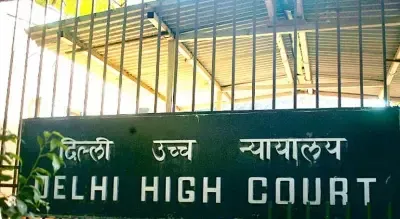
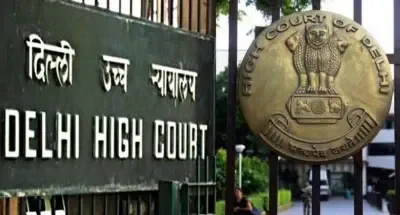
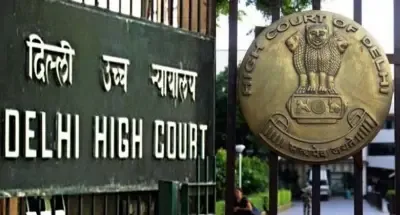
New Delhi, Oct 29 (NationPress) The Delhi High Court has declined to provide an urgent hearing regarding a Public Interest Litigation (PIL) opposing the anticipated film 'The Taj Story', which is scheduled for release on October 31, 2025.
The petition aims to prevent the film’s release and requests a review of its certification by the Central Board of Film Certification (CBFC), arguing that it misrepresents historical facts concerning the Taj Mahal and may disrupt communal harmony.
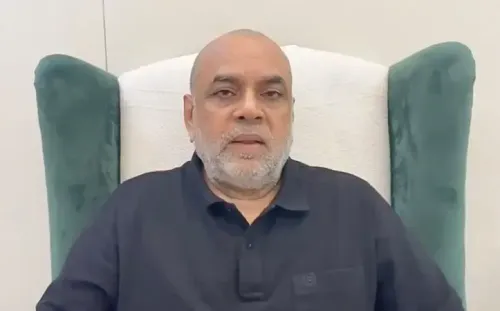
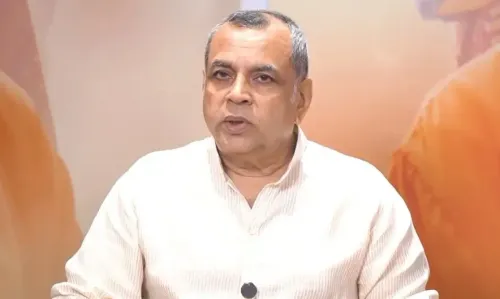
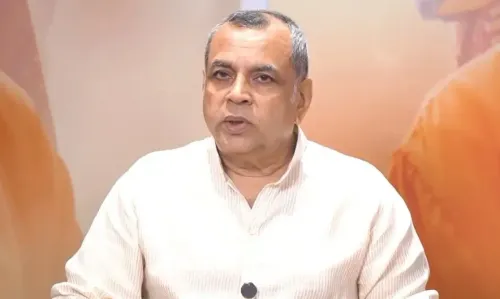
Filed by advocate Shakeel Abbas, the PIL names several respondents, including the Union Ministry of Information and Broadcasting, the CBFC, as well as the film’s producer, director, writer, and actor Paresh Rawal.
The petitioner asserts that the film disseminates “misleading and manipulated information” about one of India’s most celebrated monuments, the Taj Mahal, and endorses a biased political narrative.
According to the plea, “The Taj Story” presents a skewed version of history, aiming to promote a particular political agenda.
The petitioner warns that such portrayals could “inflame religious sentiments and disrupt public order.”
The plea also highlights a trend of politically charged films, citing 'The Kashmir Files' and 'The Bengal Files' as examples of productions that have allegedly fostered divisive discourse.
The trailer for 'The Taj Story' was released on October 16, 2025, generating significant attention and criticism for its controversial interpretation of historical events.
Despite this, the CBFC reportedly permitted the trailer’s release without thorough examination.
The petition requested the High Court to instruct the CBFC to reassess the film’s certification, include a clear disclaimer to specify the fictional nature of its content, and consider removing objectionable scenes or reclassifying it with an ‘Adults Only’ rating.
However, the court chose not to address the issue for immediate hearing, allowing the film’s release on October 31 to proceed unless further judicial action is taken.
Point of View
It's paramount to uphold the integrity of historical narratives while respecting artistic expression. We stand by the need for oversight when films may distort facts, particularly regarding sensitive topics like the Taj Mahal. Our commitment is to ensure that all voices are heard and that cultural harmony is maintained.
NationPress
20 Sept 2026
Frequently Asked Questions
What is the main issue with 'The Taj Story'?
The main issue revolves around allegations that the film distorts historical facts about the Taj Mahal and could incite communal tensions.
Who filed the PIL against the film?
The PIL was filed by advocate Shakeel Abbas, targeting the film's release and its certification by the CBFC.
What does the petitioner want from the court?
The petitioner seeks to halt the film's release, review its certification, and ensure it includes a disclaimer about its fictional nature.
When is 'The Taj Story' scheduled for release?
'The Taj Story' is slated to release on October 31, 2025.
Has the court agreed to hear the case urgently?
No, the Delhi High Court has decided not to expedite the hearing on the matter.