Will the Delhi HC Allow NIA to File Rejoinder for Yasin Malik's Death Penalty?
Synopsis
The Delhi High Court has given the NIA a last opportunity to file its rejoinder for Yasin Malik's death penalty appeal. This case highlights significant legal and national security issues surrounding Malik’s actions and the implications for terrorism sentencing in India.
Key Takeaways
The Delhi High Court has allowed the NIA additional time to file its rejoinder.
Yasin Malik is currently serving a life sentence for terror-related charges.
The case raises critical questions about the sentencing of terrorists in India.
The NIA argues for a death penalty to uphold the seriousness of terrorism offenses.
Malik is representing himself in the ongoing legal proceedings.
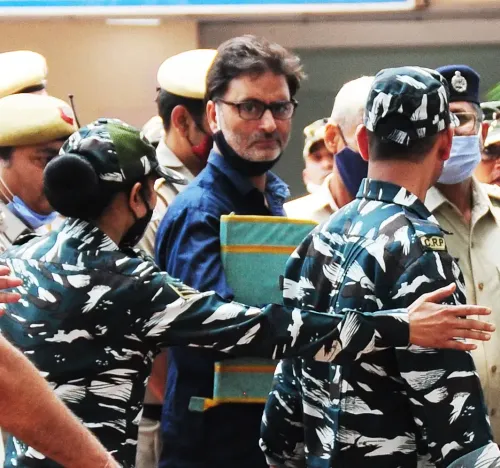
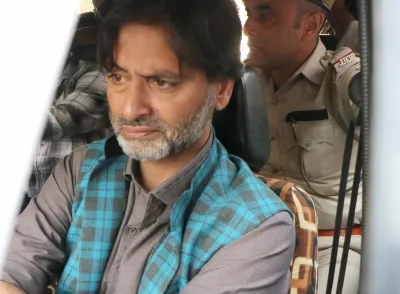
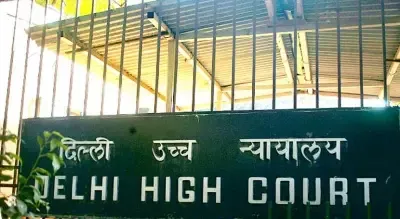
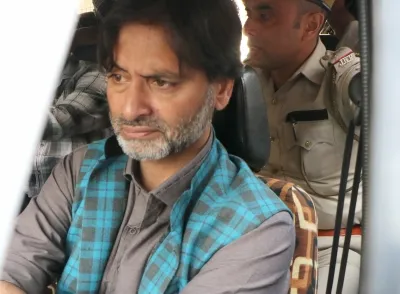
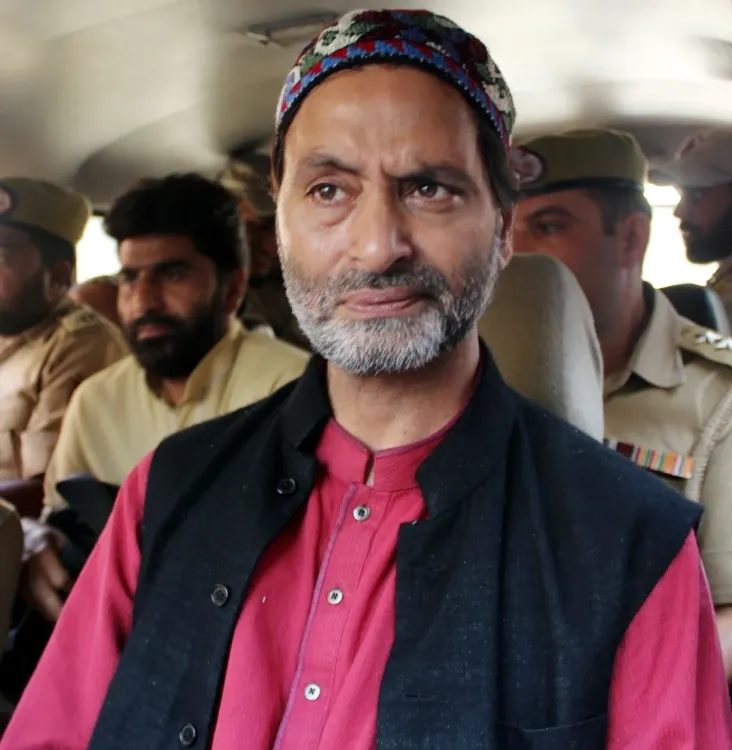
New Delhi, Jan 28 (NationPress) – On Wednesday, the Delhi High Court provided the National Investigation Agency (NIA) one final chance to submit its rejoinder in the appeal for the death penalty of Yasin Malik, the leader of the banned JKLF and a Kashmiri separatist currently serving a life sentence in a terror-funding case.
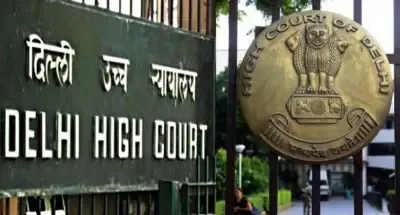
A Division Bench comprising Justices Navin Chawla and Ravinder Dudeja granted the NIA four weeks to file its rejoinder and scheduled the next hearing for April 22.
During the proceedings, the NIA’s Special Public Prosecutor (SPP) requested additional time for filing the rejoinder due to ongoing vetting of the document. In a video appearance from Tihar Jail, Yasin Malik contested the NIA’s request, claiming that it had continually sought adjournments.
In defense, the SPP countered, asserting that Malik had taken over a year to respond to the NIA’s appeal, and that his lengthy reply encompassed issues not directly pertinent to the case.
“This may not be factually correct. We filed the petition, the respondent (Malik) took over a year to file a reply. Only on the last date, that’s one occasion till now, we had sought time because it was a very longish reply. Rejoinder has gone for vetting. Lordship may give me two or three weeks,” stated the NIA’s SPP.
After considering the arguments, the Justice Chawla-led Bench ruled: “Counsel for appellant (NIA) is granted four weeks further time as the last opportunity to file rejoinder. List on April 22.”
The NIA had previously sought to respond to Malik’s lengthy reply, which Malik argued had delayed proceedings for nearly three years.
In its appeal, the anti-terror agency contested the trial court’s 2022 ruling that sentenced Malik to life imprisonment after he admitted guilt to charges under the Unlawful Activities (Prevention) Act and the IPC. The NIA argued that a terrorist should not receive a life sentence solely for pleading guilty and avoiding trial.
While advocating for the death penalty, the NIA emphasized that if such offenders evade capital punishment through guilty pleas, it would undermine the sentencing framework and allow terrorists to escape severe penalties.
The trial court, which turned down the NIA's request for a death sentence, noted that Malik's actions were aimed at undermining the core principles of India and sought to forcibly detach Jammu and Kashmir from the Indian Union.
Malik, who opted to represent himself and declined legal counsel, has been attending hearings virtually following a court ruling in August 2024 that prohibited his physical presence due to security concerns.
Point of View
It’s crucial to understand the gravity of the situation surrounding Yasin Malik. The NIA's push for the death penalty reflects a broader commitment to addressing terrorism decisively. This case not only showcases the complexities of legal proceedings but also underscores the ongoing challenges India faces in maintaining national security in a volatile region.
NationPress
18 Oct 2026
Frequently Asked Questions
What is the significance of the NIA's appeal?
The NIA's appeal seeks to challenge the trial court's life sentence for Yasin Malik by arguing that a guilty plea should not diminish the severity of the punishment for terrorism-related crimes.
Why is Yasin Malik representing himself?
Yasin Malik has chosen to represent himself in court, indicating a desire to personally convey his arguments, despite being advised to appoint legal counsel.
What are the implications of the court's decision?
The court's decision could set a precedent for how terrorism cases are handled in India, especially regarding sentencing and the treatment of guilty pleas.