Delhi HC issues fresh notice to Kejriwal in ED summons case
Synopsis
The Delhi High Court has issued a fresh notice to Arvind Kejriwal after an earlier one went unserved — all while Kejriwal has publicly declared he will not appear before the court, invoking Mahatma Gandhi's Satyagraha. The ED's challenge to his acquittal, combined with a rejected recusal plea and a parallel CBI petition, makes this one of the most legally charged chapters of the Delhi excise policy saga.
Key Takeaways
Delhi High Court directed a fresh notice to Arvind Kejriwal on 29 April after the earlier notice of 1 April went unserved.
The ED is challenging Kejriwal's acquittal by the Rouse Avenue Court in cases of alleged non-compliance with five PMLA summons .
Kejriwal wrote to Justice Swarana Kanta Sharma declaring he would not appear in court, invoking Mahatma Gandhi's Satyagraha .
Manish Sisodia sent a similar letter, also abstaining from further participation in the matter.
Justice Sharma on 20 April rejected Kejriwal's recusal plea, warning against turning a courtroom into a "theatre of perception".
The next hearing is scheduled for 22 July .
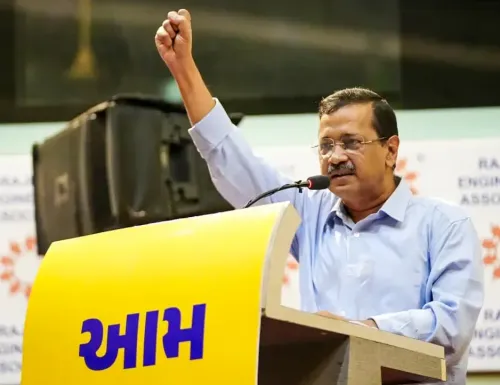
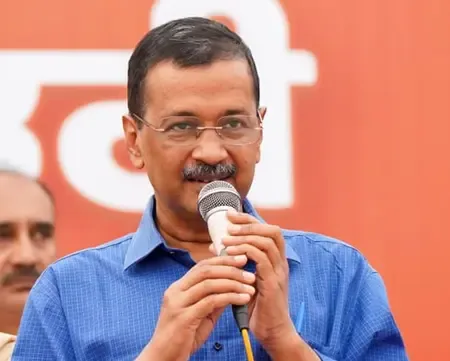
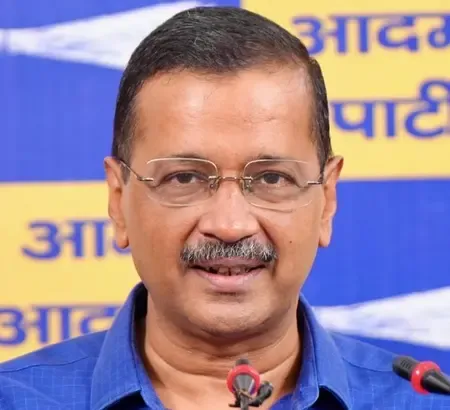
The Delhi High Court on Wednesday, 29 April directed the issuance of a fresh notice to Aam Aadmi Party (AAP) national convenor and former Chief Minister Arvind Kejriwal on a plea filed by the Enforcement Directorate (ED) challenging his acquittal in complaint cases linked to alleged non-compliance with summons in the Delhi excise policy money laundering matter.
What the Court Ordered
A single-judge Bench of Justice Swarana Kanta Sharma noted that an earlier notice issued to Kejriwal on 1 April had not been served, as confirmed by the registry. "Registry reports that (he is) not served. I will issue a fresh notice. Respondent has not been served," Justice Sharma observed, posting the matter for further hearing on 22 July.
Background: The Acquittal Under Challenge
The ED's appeal targets the acquittal granted by the Rouse Avenue Court in complaint cases where the agency had accused Kejriwal of deliberately skipping multiple summons issued under Section 50 of the Prevention of Money Laundering Act (PMLA). Additional Chief Judicial Magistrate (ACJM) Paras Dalal had acquitted Kejriwal, holding that the material on record did not warrant prosecution for non-compliance.
The ED had alleged that despite the issuance of five summons on different dates, Kejriwal failed to appear before the Central agency. It contended that non-compliance by a high public functionary would set a wrong precedent.
Kejriwal's 'Satyagraha' Stand
In a development that has drawn sharp attention, Kejriwal recently wrote to Justice Sharma stating that he would neither appear before the court in person nor through counsel in matters linked to the now-scrapped Delhi excise policy. Invoking Mahatma Gandhi's path of Satyagraha, Kejriwal said his hope of receiving justice from the judge was shattered.
"My hope of getting justice from Justice Swarana Kanta is shattered. Therefore, I have decided to follow Gandhiji's Satyagraha. I have made a decision based on the voice of my conscience. I will reserve the right to appeal Justice Swarn Kanta's decision in the Supreme Court," the letter stated.
Former Deputy Chief Minister Manish Sisodia sent a similar communication to the judge, stating he too would abstain from further participation in the matter, describing the decision as guided by conscience and not hostility towards the judiciary.
Recusal Plea Rejected
The controversy follows Justice Sharma's rejection on 20 April of Kejriwal's plea seeking her recusal from hearing the criminal revision petition filed by the Central Bureau of Investigation (CBI). That petition challenges the Rouse Avenue Court order that had discharged all 23 accused — including Kejriwal and Sisodia — in the corruption case linked to the scrapped excise policy introduced by the then AAP-led Delhi government.
Pronouncing her order, Justice Sharma said that though the "easier path" would have been to recuse without hearing the application, she chose to decide the matter on merits in the interest of institutional integrity. "A courtroom cannot be a theatre of perception. If such applications are accepted, it would not be justice administered but 'justice managed'," she stated.
What Happens Next
With the matter now listed for 22 July, the court will await service of the fresh notice before proceeding further. The parallel CBI revision petition and Kejriwal's declared non-participation signal that the legal battle over the Delhi excise policy is far from its final chapter.
Point of View
And his absence could accelerate adverse proceedings rather than delay them. More telling is the pattern: with a rejected recusal plea, a CBI revision petition against his discharge, and now an ED appeal against his acquittal, Kejriwal faces a multi-front legal siege that his party cannot easily frame as mere political vendetta. Justice Sharma's pointed remark that justice must not be 'managed' is a direct signal that the court will not allow procedural theatre to substitute for substantive engagement.
NationPress
16 Sept 2026
Frequently Asked Questions
Why has the Delhi High Court issued a fresh notice to Arvind Kejriwal?
The Delhi High Court issued a fresh notice to Arvind Kejriwal on 29 April because an earlier notice sent on 1 April had not been served, as confirmed by the court registry. The notice relates to an ED plea challenging Kejriwal's acquittal in cases of alleged non-compliance with PMLA summons.
What is the ED's case against Kejriwal in the excise policy matter?
The ED had accused Kejriwal of deliberately skipping five summons issued under Section 50 of the Prevention of Money Laundering Act (PMLA) in connection with the Delhi excise policy money laundering case. The Rouse Avenue Court acquitted him, and the ED has challenged that acquittal before the Delhi High Court.
What is Kejriwal's Satyagraha declaration about?
Kejriwal wrote to Justice Swarana Kanta Sharma stating he would not appear before the court — in person or through counsel — in matters linked to the scrapped Delhi excise policy, invoking Mahatma Gandhi's path of Satyagraha. He said his hope of receiving justice from the judge was shattered and reserved the right to appeal her decisions in the Supreme Court.
Why did Justice Sharma reject Kejriwal's recusal plea?
Justice Sharma rejected the recusal plea on 20 April, saying she chose to decide the matter on merits in the interest of institutional integrity. She cautioned that allowing such applications would turn the courtroom into a 'theatre of perception' and amount to 'justice managed' rather than justice administered.
When is the next hearing in this case?
The Delhi High Court has posted the matter for further hearing on 22 July, by which time the fresh notice to Kejriwal is expected to be served.