Delhi HC tells ECI: SIR duties must not impose 'unbearable' burden on teachers
Synopsis
The Delhi High Court has put the Election Commission on notice over the stress being placed on schoolteachers deployed for electoral roll revision — flagging 11-hour workdays, women teachers with family duties, and conflicting official orders. The ECI insists it is complying with Supreme Court norms; the court has given the petitioner until 20 August to prove otherwise.
Key Takeaways
The Delhi High Court on 28 July directed the ECI to ensure SIR election duties do not impose an 'unbearable' burden on schoolteachers.
A bench of Chief Justice Devendra Kumar Upadhyaya and Justice Tejas Karia flagged the stress of teachers working 6–8 hours in school before performing poll duties.
The court noted that asking teachers to work nearly 11 hours a day was not appropriate, with particular concern for women teachers in primary schools.
The ECI submitted an affidavit affirming no teacher is deployed during school hours and that it is complying with Supreme Court directives.
The petitioner alleged conflicting instructions from school and election authorities; the court asked for documentary proof.
The next hearing is scheduled for 20 August ; the petitioner may file a rejoinder to the ECI's affidavit.
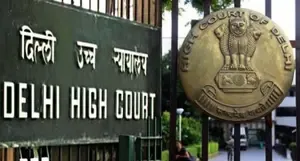
The Delhi High Court on Tuesday, 28 July directed the Election Commission of India (ECI) to ensure that election-related duties assigned to schoolteachers under the ongoing Special Intensive Revision (SIR) of electoral rolls do not impose an 'unbearable' burden on them. A division bench observed that teachers who have already spent 6–8 hours in classrooms face considerable stress when additionally deployed for poll work.
What the Court Said
A Division Bench comprising Chief Justice Devendra Kumar Upadhyaya and Justice Tejas Karia passed the direction while hearing a public interest litigation (PIL) challenging the deployment of government school teachers for the SIR exercise in the national capital. The bench made clear that while the ECI's constitutional authority to requisition teachers for election duties was not in dispute, the mandate of Section 27 of the Right of Children to Free and Compulsory Education (RTE) Act, 2009, could not be set aside.
'We, however, may also emphasise that after working in a school for 6–8 hours, if a teacher is engaged to perform election duties, it may cause stress and, therefore, it is expected of the Election Commission of India and its officers to be mindful of the stress which a teacher undergoes while performing election-related duties after the school hours and on non-teaching days,' the bench observed.
The court further directed that the ECI 'shall take all appropriate steps so that the election-related work does not cause so much stress on teachers which may lead to unbearable burden.'
Concerns Over Women Teachers and Working Hours
The bench orally noted that many teachers — particularly in primary and junior schools — are women who carry family responsibilities and should not be overburdened. It questioned the language used in certain ECI communications and observed that directing teachers to work for nearly 11 hours a day was not appropriate. The court also asked why school principals were being instructed not to treat teacher absences as unauthorised leave if deployment was strictly after school hours.
ECI's Stand and Petitioner's Allegations
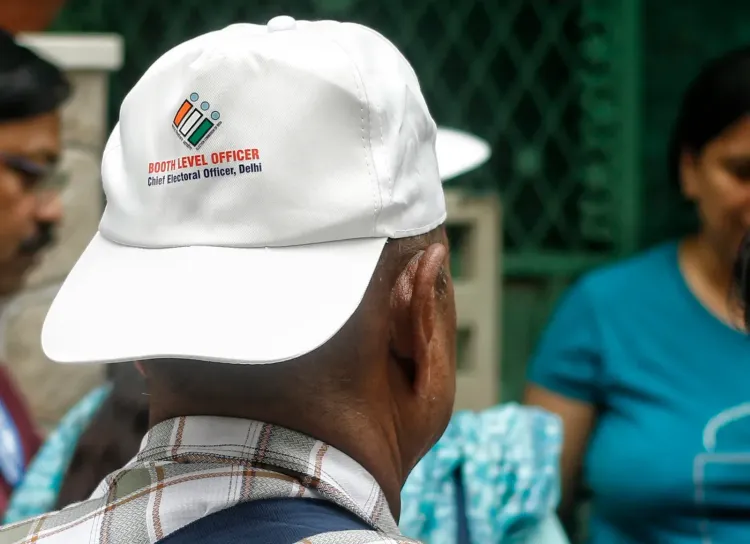
The ECI submitted an affidavit stating that no teacher was being engaged in SIR work during school hours and that it was strictly complying with the Supreme Court's directions governing the deployment of teachers for election duties. The poll body added that teachers were performing Booth Level Officer (BLO) duties only after school hours, that volunteers had been deployed to assist, and that efforts were under way to ensure classroom teaching remained unaffected.
The petitioner side, however, alleged that teachers were receiving conflicting instructions from school authorities and election officials regarding their duties. The court noted that any factual dispute with the ECI's affidavit would have to be established through material placed on record. 'We will take action. You have to establish that they are in violation of the Supreme Court judgment. They have filed a fact sheet... If you have anything contrary to this, file it,' the bench remarked.
What Happens Next
The Delhi High Court granted the petitioner liberty to file a rejoinder to the ECI's affidavit and posted the matter for further hearing on 20 August. The PIL seeks rationalisation of teacher deployment for SIR work and contends that non-teaching staff should be utilised for election-related duties so that academic activities in government schools are not adversely affected. The case will test whether the ECI's assurances on paper translate into practice on the ground.
Point of View
But the bench's pointed reference to 11-hour days and women teachers signals that procedural compliance alone will not close this case. The deeper issue — that India's election machinery routinely leans on teachers because they are the most organised, literate, and available government workforce at the booth level — remains unaddressed. Until the ECI builds a dedicated cadre for ground-level electoral work, this tension will recur with every revision exercise.
NationPress
26 Oct 2026
Frequently Asked Questions
What is the Special Intensive Revision (SIR) of electoral rolls and why are teachers involved?
The Special Intensive Revision (SIR) is an exercise conducted by the Election Commission of India to update and verify voter rolls, including door-to-door verification. Government schoolteachers are typically deployed as Booth Level Officers (BLOs) for this work because they are widely distributed, literate, and considered reliable government employees.
What did the Delhi High Court direct the ECI to do?
The Delhi High Court directed the ECI and its officers to take all appropriate steps to ensure that election-related SIR duties do not impose an 'unbearable' burden on teachers. The bench specifically flagged stress from working 6–8 hours in school followed by election duties, and raised concern about nearly 11-hour workdays.
What is the ECI's position on deploying teachers for SIR work?
The ECI submitted an affidavit stating that no teacher is being engaged in SIR work during school hours and that it is strictly following Supreme Court directions on teacher deployment. It also noted that volunteers have been deployed to assist BLOs and that classroom teaching is not being disrupted.
What does the RTE Act say about deploying teachers for non-teaching duties?
Section 27 of the Right of Children to Free and Compulsory Education (RTE) Act, 2009, restricts the deployment of teachers for duties other than teaching and census-related work. The Delhi High Court noted that while the ECI has constitutional authority to requisition teachers, this statutory mandate cannot be overlooked.
When is the next hearing in this case?
The Delhi High Court has posted the matter for further hearing on 20 August. The petitioner has been granted liberty to file a rejoinder to the ECI's affidavit disputing the factual claims made by the poll body.