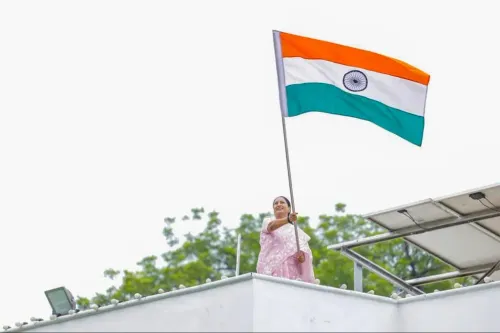
Delhi SHGs to produce 2 lakh flags for Har Ghar Tiranga 2026 campaign
Synopsis
Delhi is turning flag-making into a livelihood programme. With 2 lakh Tricolours to be stitched by Self-Help Groups under SULM and over 15 lakh flags earmarked for city-wide distribution, CM Rekha Gupta's Har Ghar Tiranga 2026 push blends patriotic optics with grassroots economic empowerment — a model worth watching as Independence Day approaches.
Key Takeaways
Chief Minister Rekha Gupta announced Delhi's Har Ghar Tiranga 2026 campaign on Sunday, 19 July .
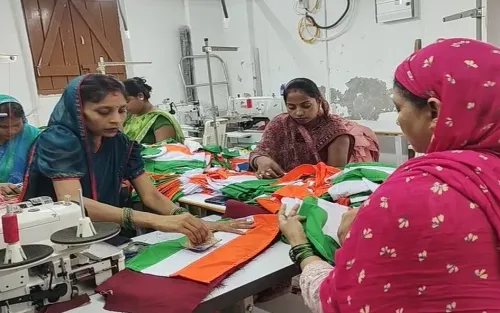
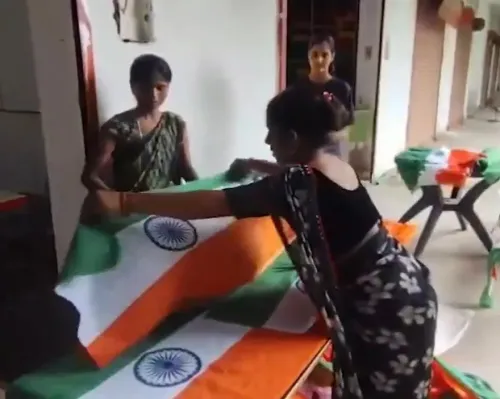
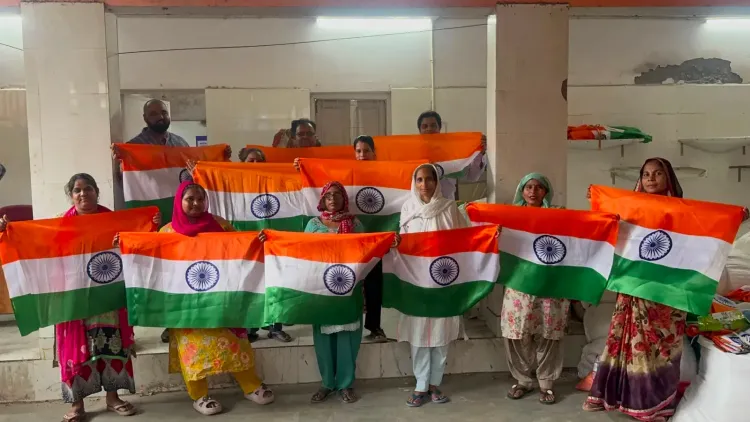
Around 2 lakh national flags will be produced by eligible Self-Help Groups (SHGs) under the State Urban Livelihood Mission (SULM) .
The Delhi government aims to distribute more than 15 lakh flags across the capital ahead of Independence Day .
SULM will identify and organise participating SHGs, linking flag production to urban livelihood opportunities.
The initiative is designed to combine civic patriotism with direct income generation for SHG members.
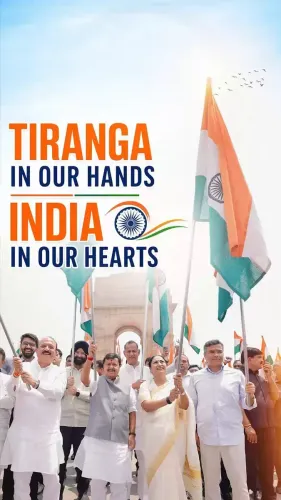
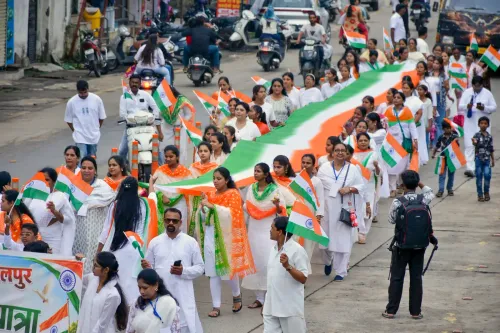
Chief Minister Rekha Gupta on Sunday announced that the Delhi government is gearing up for the Har Ghar Tiranga 2026 campaign ahead of Independence Day, with Self-Help Groups (SHGs) across the capital playing a central role in both flag production and public outreach. The initiative aims to distribute more than 15 lakh national flags across New Delhi, reinforcing themes of patriotism and national unity.
SHGs at the Centre of Flag Production
Around 2 lakh national flags will be manufactured by eligible SHGs identified and organised under the State Urban Livelihood Mission (SULM), a Delhi government body focused on strengthening livelihoods among the urban poor. These flags will be deployed as part of the broader campaign rollout across the city.
Chief Minister Gupta said the decision to involve SHGs in flag production reflects a deliberate policy of linking civic campaigns with livelihood opportunities. Members of these groups will not only earn an income from the work but will also contribute directly to the making of the Tricolour — a symbol of national pride.
What SULM Does and Why It Was Chosen
SULM operates by promoting Self-Help Groups among urban poor communities, creating structured pathways for skill development, entrepreneurship, and self-employment. Integrating flag production into its mandate allows the mission to serve a dual purpose: fulfilling a national campaign requirement while generating measurable economic activity at the grassroots level.
This approach of embedding livelihood creation within public welfare programmes has been a recurring theme in urban development policy, though the scale of this particular deployment — 2 lakh flags through community institutions — gives it notable visibility ahead of 78th Independence Day celebrations.
Scale of the Campaign
The Delhi government's target of distributing more than 15 lakh flags across the capital positions this as one of the larger state-level implementations of the Har Ghar Tiranga initiative, which is a national programme encouraging citizens to hoist the Tricolour at their homes during Independence Day week. Chief Minister Gupta described the campaign as an opportunity to strengthen the spirit of public participation across every section of society.
Government's Stated Objective
Gupta emphasised that the Har Ghar Tiranga campaign goes beyond the symbolic act of flag hoisting. 'The government's objective is to advance development and public participation together,' she said, framing the SHG involvement as a model for combining civic engagement with economic empowerment. The initiative is expected to benefit SHG members who will gain both income and a direct stake in a nationally recognised programme.
With Independence Day approaching, the Delhi government is expected to announce further details on flag distribution logistics and community mobilisation in the coming weeks.
Point of View
But the real question is whether the income generated is meaningful or tokenistic. At 2 lakh flags across dozens of groups, the per-unit economics matter — and those numbers have not been disclosed. The Har Ghar Tiranga campaign has grown into a significant state-level mobilisation exercise, but its record on translating civic participation into durable SHG strengthening is mixed. Delhi's SULM framing is the right instinct; the proof will be in whether these groups retain orders beyond Independence Day week or return to dormancy once the flags are hoisted.
NationPress
19 Oct 2026
Frequently Asked Questions
What is the Har Ghar Tiranga 2026 campaign in Delhi?
It is a Delhi government initiative ahead of Independence Day 2026 that aims to distribute more than 15 lakh national flags across the capital, encouraging citizens to hoist the Tricolour at their homes. The campaign is part of a national programme promoting patriotism and public participation.
How many flags will SHGs produce for the Delhi campaign?
Around 2 lakh national flags will be produced by eligible Self-Help Groups identified under the State Urban Livelihood Mission (SULM). These flags will be used as part of the wider Har Ghar Tiranga campaign rollout across New Delhi.
What is SULM and what role does it play?
The State Urban Livelihood Mission (SULM) is a Delhi government body that strengthens livelihoods among urban poor communities through Self-Help Groups, skill development, and self-employment. For this campaign, SULM will identify and organise the SHGs that produce the national flags.
Why has the Delhi government chosen SHGs to make the flags?
Chief Minister Rekha Gupta said the decision links a public welfare initiative with livelihood opportunities, allowing SHG members to earn income while contributing to a nationally recognised programme. The government framed it as a model for combining civic engagement with economic empowerment.
When is the Har Ghar Tiranga 2026 campaign expected to roll out?
The campaign is being prepared ahead of Independence Day 2026, with the announcement made on 19 July. Further details on distribution logistics and community mobilisation are expected in the coming weeks.