Bihar Jeevika Didis stitch 68,000 Tricolours for Har Ghar Tiranga
Synopsis
Bihar's Jeevika Didis have turned Independence Day into an income opportunity — stitching over 68,000 national flags across 17 blocks of Sitamarhi under the Har Ghar Tiranga campaign. With 6 lakh women across 48,000 SHGs involved, it is one of the largest grassroots flag-production drives in the state, blending patriotism with rural economic empowerment.
Key Takeaways
Jeevika Didis in Sitamarhi, Bihar have been assigned a target of over 68,000 national flags under the Har Ghar Tiranga campaign.
Each of Sitamarhi's 17 blocks has a quota of 4,000 flags , with more than 40,000 completed by 13 August .
Each flag is priced at ₹25 , covering fabric and manufacturing costs.
Around 6 lakh women across 48,000 self-help groups in Sitamarhi are part of the Jeevika network.
The initiative provides direct employment while supporting the Centre's annual Har Ghar Tiranga drive ahead of Independence Day .
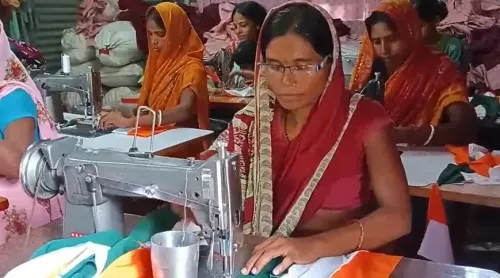
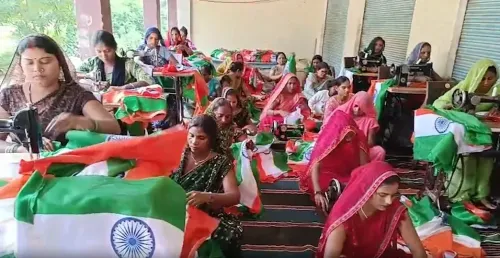
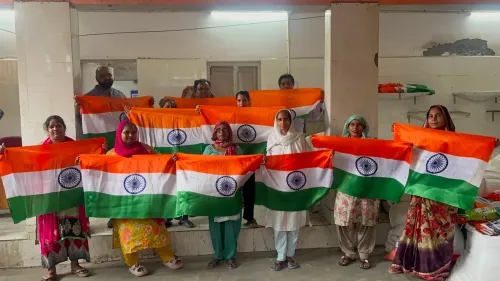
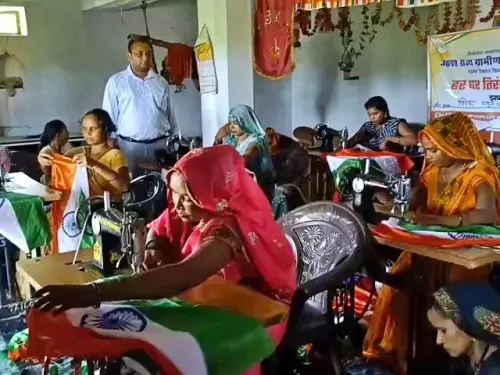
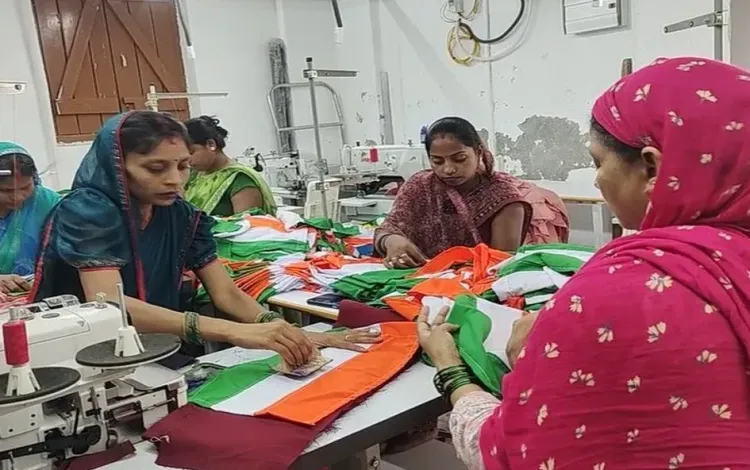
Over 6 lakh women affiliated with Bihar's Jeevika Rural Livelihood Mission are stitching thousands of national flags ahead of Independence Day 2025, as part of the Centre's 'Har Ghar Tiranga' campaign. In Sitamarhi district alone, Self-Help Group (SHG) members — popularly called 'Jeevika Didis' — have been assigned a target of producing more than 68,000 national flags, turning patriotism into a livelihood opportunity.
Scale of the Operation
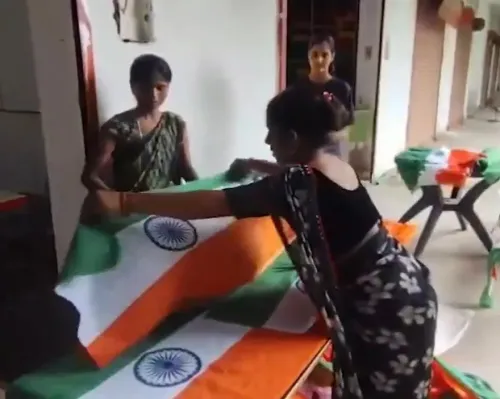
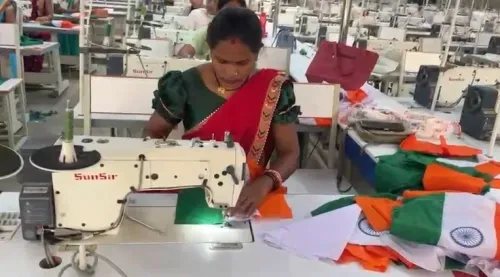
Sitamarhi's 17 blocks have each been assigned a production target of 4,000 flags, ensuring an equitable spread of work across the district. The Jeevika Didis are managing the entire supply chain — from procuring fabric to stitching and finishing each flag. According to Umashankar Bhagat, District Project Manager (DPM) for Jeevika in Sitamarhi, more than 40,000 flags had already been completed by 13 August. Each flag is priced at ₹25, covering material and manufacturing costs.
Employment at the Grassroots
The district's approximately 48,000 self-help groups collectively represent around 6 lakh women, all of whom are contributing to the campaign. The initiative extends well beyond flag-making: it provides consistent income for women who have historically had limited formal employment avenues. Moni Jha, a Jeevika Didi, said the group had previously stitched uniforms for the Integrated Child Development Services (ICDS) office, and that this new assignment has added a layer of pride to their daily work.
Personal Stories Behind the Tricolour
For many participants, the assignment is more than a contract — it is a marker of social mobility. Ishrat Afsana, who joined the Jeevika scheme in 2017, recalled having no source of income before she became part of the organisation. She started by stitching uniforms for Anganwadi centres and has now been entrusted with crafting the national flag. 'I hope women will continue to receive such opportunities and that those associated with Jeevika will keep progressing,' she said.
Har Ghar Tiranga: The Broader Push
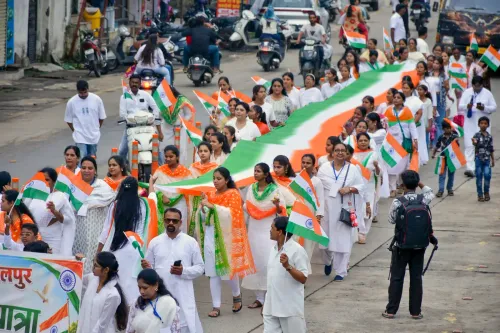
The 'Har Ghar Tiranga' campaign, run annually around Independence Day, encourages every household across India to hoist the national flag. Bihar's decision to route flag production through its SHG network reflects a dual-purpose strategy: fulfilling demand at scale while channelling income directly to rural women. This comes amid a wider national push to expand the reach of the campaign, with states competing to maximise participation. The Jeevika model in Bihar — where SHGs have already demonstrated capacity in garment production — made the transition to flag-making a natural fit.
Point of View
And does the money reach the right hands? Routing production through Jeevika ensures the answer is yes — but the ₹25 per-flag rate deserves scrutiny. With fabric, stitching, and finishing all factored in, the margin for individual women is thin. The real test of this model is not how many flags get made, but whether the income is meaningful enough to retain and motivate these workers year after year.
NationPress
27 Sept 2026
Frequently Asked Questions
What is the Har Ghar Tiranga campaign?
Har Ghar Tiranga is a Central Government initiative run annually around Independence Day, encouraging every Indian household to hoist the national flag. It is part of the Azadi Ka Amrit Mahotsav celebrations and aims to deepen citizens' connection with the Tricolour.
Who are the Jeevika Didis stitching flags in Bihar?
Jeevika Didis are women members of Self-Help Groups (SHGs) operating under Bihar's Rural Livelihood Mission, known as Jeevika. Around 6 lakh such women are affiliated with approximately 48,000 SHGs in Sitamarhi district alone, and they have been tasked with producing over 68,000 national flags for the Har Ghar Tiranga campaign.
How many flags have been produced so far in Sitamarhi?
According to District Project Manager Umashankar Bhagat, more than 40,000 flags had been completed in Sitamarhi by 13 August, against a total district target of 68,000 flags spread across 17 blocks.
What is the cost of each flag being produced?
Each national flag has been priced at ₹25, which covers the cost of fabric and the manufacturing process. The Jeevika Didis manage the entire production chain, from purchasing raw material to finishing the final product.
How does this initiative benefit rural women in Bihar?
The flag-production assignment provides direct income to women who previously had limited formal employment. Members like Ishrat Afsana, who joined Jeevika in 2017, have progressed from stitching Anganwadi uniforms to crafting the national flag — reflecting the scheme's role as a livelihood ladder for rural women.