How is Development Undermining Maoism in Chhattisgarh?
Synopsis
Discover how focused development initiatives in Chhattisgarh are dismantling the stronghold of Maoism. This article explores the shift from violence to progress, revealing the significant impacts of infrastructure and community services.
Key Takeaways
The red corridor in Chhattisgarh symbolizes deep-rooted conflict.
Infrastructure plays a critical role in undermining insurgency.
Development initiatives have significantly decreased violent incidents.
More than 15,000 kilometers of roads have been built in LWE zones.
Community services like banking and education are expanding rapidly.
New Delhi, Dec 5 (NationPress) For many years, the red corridor of Chhattisgarh—extending through Bastar, Sukma, and Bijapur—has represented one of India's most challenging internal conflicts.
Maoist rebels not only took lives but also consistently obstructed development, keeping some of India's poorest populations in a state of isolation.
A report from India Narrative indicates that their approach was intentional: infrastructure undermines insurgency.
"Roads reveal hideouts, mobile towers facilitate governance, and educational institutions broaden perspectives—thus, they became the focus of attacks," the report stated.
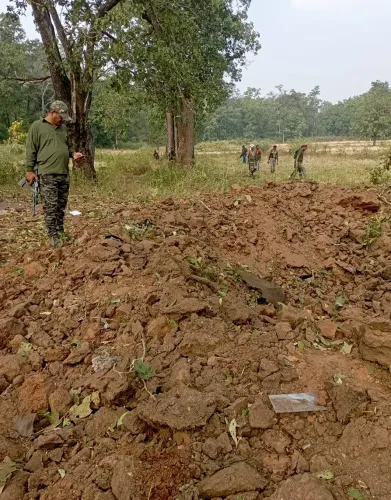
Mobile towers were destroyed, bridges were booby-trapped, power lines were dismantled, and schools were demolished, leading to tribal communities being severed from crucial services needed for advancement.
The economic repercussions were dire.
Despite Chhattisgarh accounting for 17 percent of India’s mineral output in 2022-23, mining activities in Maoist-dominated regions remained stagnant.
Markets for forest products were disrupted, agriculture faced setbacks, and the basic transport of goods became perilous.
Several districts operated at diminished capacity for years.
The 2001 census revealed that literacy rates, access to electricity, and road connectivity in conflict-affected regions were significantly below the state average. This underdevelopment fueled resentment, which in turn perpetuated insurgency.
However, the last decade has witnessed a transformative shift.
Since 2015, the National Action Plan has combined security operations with extensive development initiatives, according to the report.
Nationwide, the number of Maoist-affected districts has dropped from 126 in 2013 to merely 11 in 2025, with only three in Chhattisgarh classified as “most affected.”
Violent incidents have decreased by half; the fatalities among civilians and security forces have dramatically declined.
This decrease in violence has paved the way for widespread connectivity.
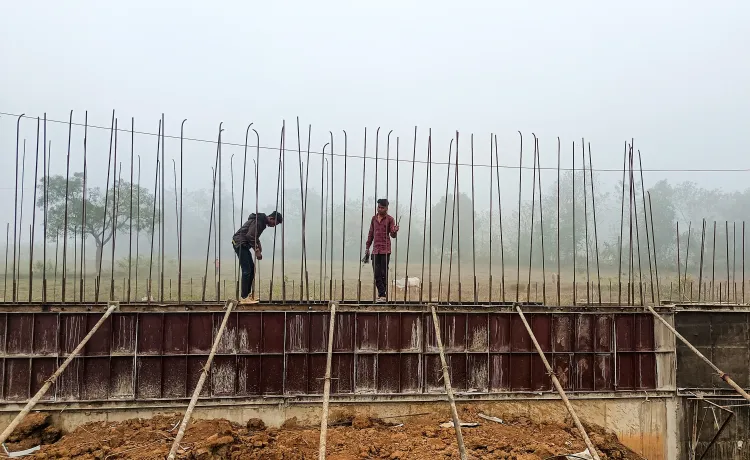
Almost 15,000 kilometers of roads have been constructed in LWE zones; over 8,600 mobile towers are now operational in areas where such infrastructure was once unimaginable.
Banking services have grown, with 283 new branches established in Chhattisgarh alone.
Villages like Chikapalli have gained electricity for the first time in decades, and schools in the previously inaccessible region of Abujhmad have reopened.
Welfare programs, housing initiatives, skill centers, and new tribal institutions have benefitted thousands.
The Niyad Nellanar rehabilitation initiative has resulted in over 2,200 Maoists surrendering in two years, many citing improved development rather than coercion as their motivation.
As mining operations recover and agriculture stabilizes, Chhattisgarh’s GSDP is anticipated to reach Rs 6.35 trillion in FY26, highlighting a significant turnaround.
The transformation is evident: where development takes root, insurgency weakens. The long-embattled districts of Bastar are finally entering a new era.
Point of View
It is evident that the path to peace in Chhattisgarh lies in sustainable development. By prioritizing infrastructure and community welfare, we can reduce conflict and uplift the marginalized. This approach not only fosters growth but also ensures a brighter future for the region.
NationPress
28 Sept 2026
Frequently Asked Questions
What are the main reasons for the decline of Maoism in Chhattisgarh?
The decline of Maoism in Chhattisgarh is primarily due to enhanced development initiatives and improved infrastructure, which have weakened the insurgent hold on the region.
How has the National Action Plan impacted Maoist activities?
The National Action Plan has effectively combined security measures with development, leading to a significant decrease in violent incidents and an increase in connectivity and services.
What developments have occurred in Chhattisgarh recently?
Chhattisgarh has seen the construction of nearly 15,000 kilometers of roads, the establishment of over 283 new banking branches, and the restoration of educational services in previously inaccessible areas.
What is the significance of the Niyad Nellanar rehabilitation drive?
The Niyad Nellanar rehabilitation drive has led to more than 2,200 Maoists surrendering, highlighting the power of development in changing perspectives and reducing insurgency.
What does the future hold for Chhattisgarh's economy?
Chhattisgarh's GSDP is projected to reach Rs 6.35 trillion in FY26, indicating a positive trajectory influenced by the revival of mining and stabilization of agriculture.