Why Are Devotees Flocking to Haridwar, Varanasi, and Prayagraj on Mauni Amavasya?
Synopsis
On the auspicious day of Mauni Amavasya, millions of devotees flocked to the sacred cities of Haridwar, Varanasi, and Prayagraj, defying the severe cold and fog. This annual pilgrimage not only celebrates spirituality but also reinforces family traditions and ancestral reverence.
Key Takeaways
Mauni Amavasya draws millions of devotees to sacred cities.
Significant rituals include holy dips in the Ganges and prayers.
Authorities ensure safety and crowd control during the pilgrimage.
The day reinforces family traditions and ancestral reverence.
Spiritual significance transcends generations.
Haridwar, Jan 18 (NationPress) A grand convergence of spirituality took place during the Mauni Amavasya, as the sacred cities of Haridwar, Varanasi, and Prayagraj experienced an extraordinary surge of devotees.
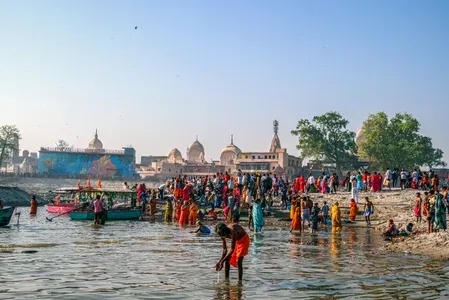
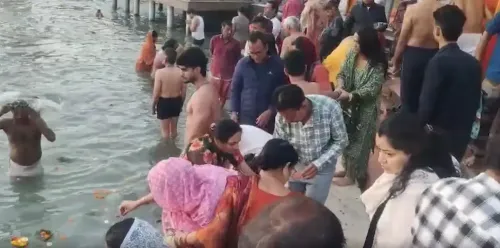
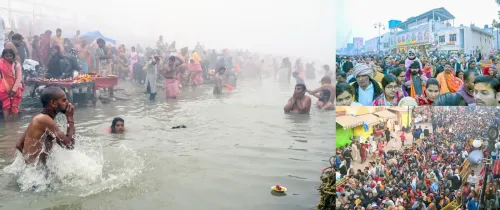
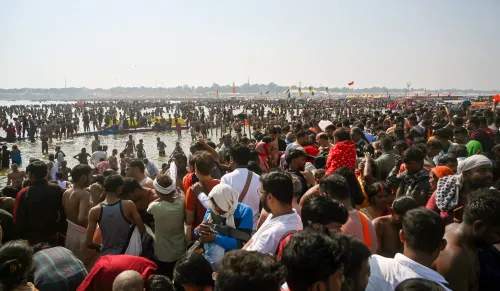
Despite the harsh cold and thick fog, millions of pilgrims flocked to the ghats at dawn to engage in the auspicious holy dip.
With stringent security measures in place, devotees were observed offering prayers and performing rituals at temples after their sacred bath.
In Haridwar, thousands congregated at the renowned Har Ki Pauri on Sunday to immerse themselves in the Ganges, carry out traditional rites, and offer prayers.
The local administration facilitated the bathing ceremonies with comprehensive security, crowd control, and monitoring systems.
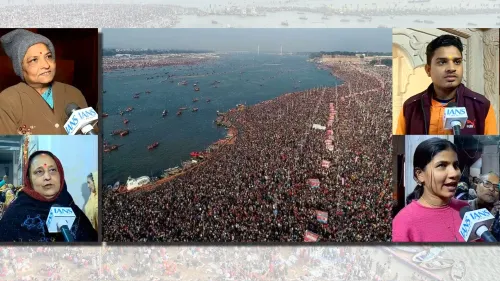
A devotee remarked to IANS, "Today is Mauni Amavasya, and we are observing it in the traditional manner. I make it a point to come here every year. This day holds significant importance for our family and ancestors."
Authorities remained vigilant to manage the steady influx of pilgrims at the ghat.
Similar scenes unfolded in Varanasi, where thousands of devotees gathered at the Ganges ghats to mark Mauni Amavasya.
A devotee shared with IANS, "It is the ninth day of the Krishna Paksha, Mauni Amavasya. On this day, individuals fast, donate as per their means, perform puja, and offer prayers."
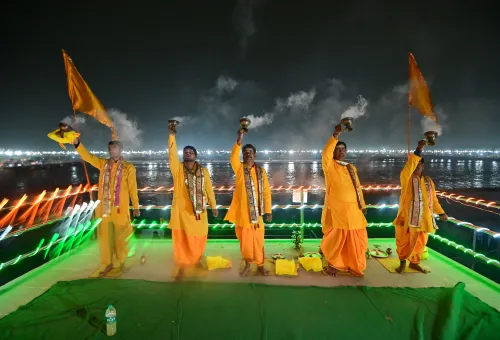
The ghats of this ancient city vibrated with devotional chants as devotees engaged in rituals despite the chill.
Vedic priest Vivekananda at Dashashwamedh Ghat mentioned that those observing the Mauni fast during the Krishna Paksha of the Magh month specifically come to perform rituals in the Ganges.
He told IANS that after bathing in the holy river, devotees pay tribute to their ancestors and pray for their peace and well-being.
"Children are also participating in the rituals with sincere devotion, highlighting the spiritual significance of this occasion across generations," he added.
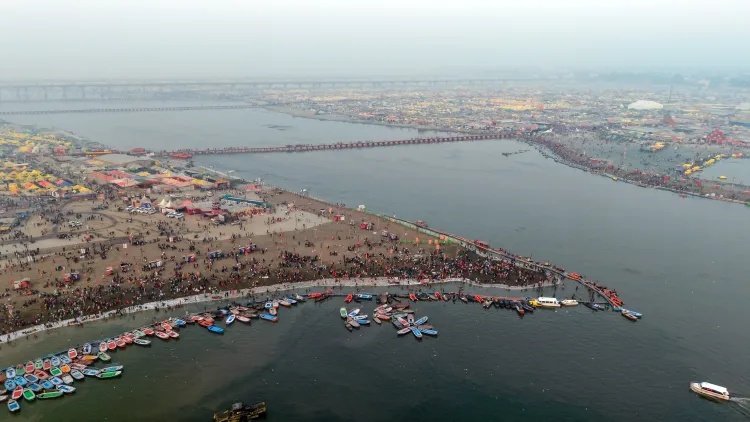
Mauni Amavasya also marked the third and largest bathing day of the ongoing Magh Mela in Prayagraj.
From early Sunday morning, a significant number of devotees arrived at the Sangam Ghat despite the dense fog and cold weather to partake in the holy dip.
Astrologer Ashutosh Varshney informed IANS, "The significance of the Mauni Amavasya bath is profound. According to beliefs, 330 million deities visit Prayagraj and observe silence while taking the holy dip, underscoring the spiritual importance of this ritual."
Numerous devotees noted that they began their journey around midnight to reach the Sangam in time for the sacred bath.
"It is Mauni Amavasya, and we have come here for the holy dip. We are now heading home after completing the ritual," a devotee stated.
Many pilgrims praised the arrangements made by the authorities during the Magh Mela, describing them as efficient and well-organized.
To ensure safety and smooth movement, stringent security and traffic measures were implemented at the Sangam Ghat.
NDRF and SDRF teams were deployed, while CCTV cameras and drones were utilized for ongoing monitoring.
Divisional Commissioner Saumya Agarwal reported that approximately fifty lakh devotees had taken the holy dip at various ghats since 6 p.m. on Saturday.
Speaking to IANS, she mentioned, "Although the crowd was larger than anticipated, adequate facilities were prepared, and the bathing process was proceeding smoothly and orderly."
District Magistrate Manish Kumar Verma noted that the main bathing ritual of Mauni Amavasya was occurring on Sunday, with a vast number of devotees bathing continuously since midnight.
He stated that the process has been ongoing for over six hours without any disruption, and devotees were present at every ghat, taking the holy dip peacefully.
Point of View
The Mauni Amavasya event showcases the enduring faith and spiritual commitment of millions across India. This pilgrimage serves as a reminder of the deep-rooted traditions that unite families and communities, emphasizing the importance of collective spirituality in today's world.
NationPress
10 Oct 2026
Frequently Asked Questions
What is Mauni Amavasya?
Mauni Amavasya is a significant lunar day in Hinduism, dedicated to honoring ancestors and observing silence while taking a holy dip in sacred rivers.
Why do devotees visit Haridwar, Varanasi, and Prayagraj on this day?
These cities are considered spiritually significant, and bathing in their holy rivers on Mauni Amavasya is believed to cleanse the soul and earn blessings.
What rituals are performed during Mauni Amavasya?
Devotees perform rituals such as fasting, donating, and offering prayers to deities and ancestors after taking a holy dip.
How does the government ensure safety during the pilgrimage?
Authorities implement stringent security measures, including crowd control, monitoring systems, and deployment of NDRF and SDRF teams.
What is the significance of the holy dip?
The holy dip is believed to purify the spirit and foster a connection with ancestors, making it a vital aspect of the Mauni Amavasya observance.