Gaighata encounter: Cops must do unpleasant work for public good, says Dilip Ghosh
Synopsis
West Bengal minister Dilip Ghosh openly defended the encounter killing of rape-murder accused Prahlad Das at Gaighata, drawing a direct link between police 'unpopular actions' and the restoration of public trust — a statement that raises pointed questions about due process and Supreme Court guidelines on custodial deaths.
Key Takeaways
Prahlad Das , accused in the rape and murder of a minor girl at Gaighata, North 24 Parganas , was killed in a police encounter in the early hours of Tuesday, 27 October 2026 .
West Bengal minister Dilip Ghosh defended the encounter, saying police must sometimes do 'unpleasant' things to restore public trust.
According to sources, Das allegedly snatched a police firearm during crime-scene reconstruction and opened fire; officers retaliated, fatally injuring him.
The West Bengal Police had not issued an official statement on the incident as of Tuesday.
Supreme Court guidelines require an independent agency probe into all deaths in police encounters; it is not yet confirmed whether this procedure has been initiated.
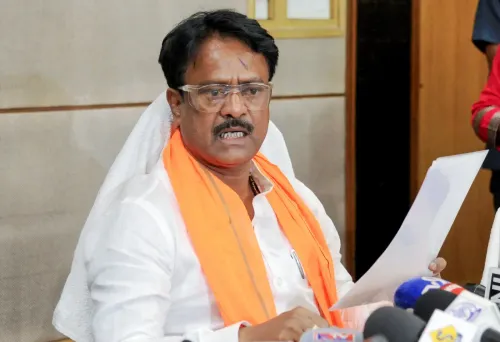
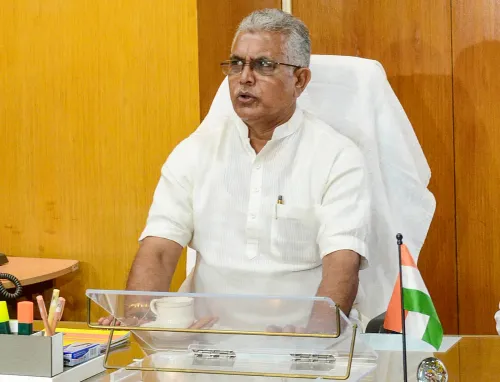
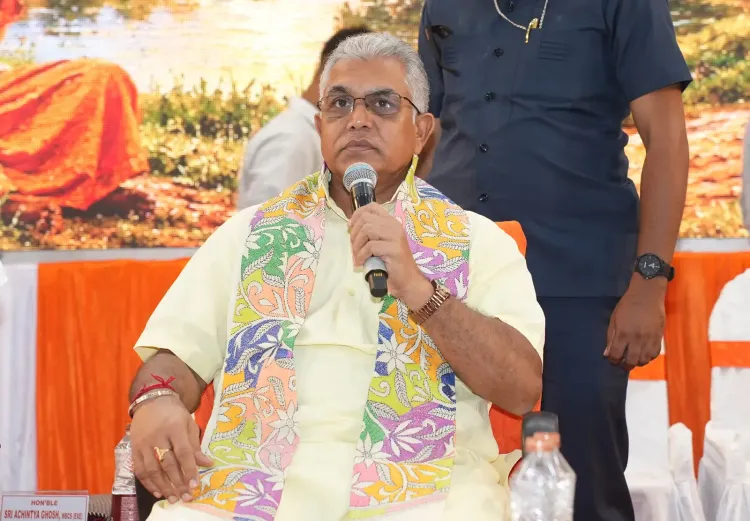
West Bengal Panchayat Affairs and Rural Development Minister Dilip Ghosh on Tuesday, 27 October 2026, defended the encounter killing of Prahlad Das — the accused in the rape and murder of a minor girl at Gaighata in North 24 Parganas district — stating that police are sometimes compelled to carry out actions that may appear unpleasant but serve the larger public interest.
What the Minister Said
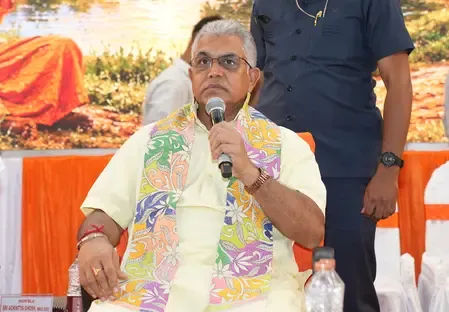
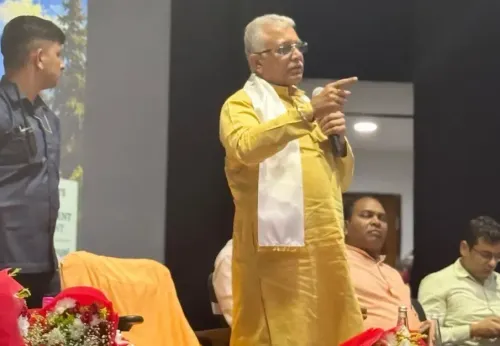
Speaking to reporters, Ghosh drew a parallel with an earlier encounter in South 24 Parganas district, framing both incidents as consequences of defying the law. "This has happened before in South 24 Parganas district. The killer was on the run. There was an encounter. Now it happened here too. Everyone should be brought to justice. No one is above the law. If someone disobeys the law, this is what will happen to them," the minister said.
Ghosh further argued that police credibility in the state had eroded and that restoring public trust may require difficult decisions. "The police have to give justice to the people. People have forgotten to trust them. To restore trust, the police will have to do some unpopular things," he said.
He also emphasised the need for deterrence: "No one gets scared so easily. Because the rule of law has not been in Bengal for many years. But if the rule of law is established, then everyone will be afraid and will be alert."
How the Encounter Unfolded
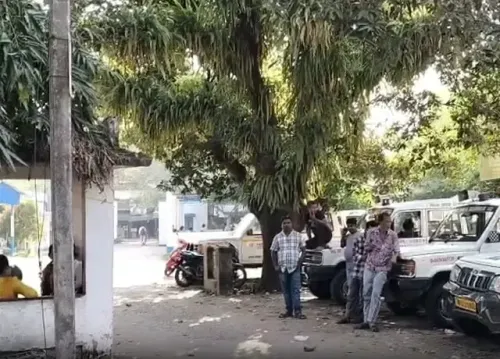
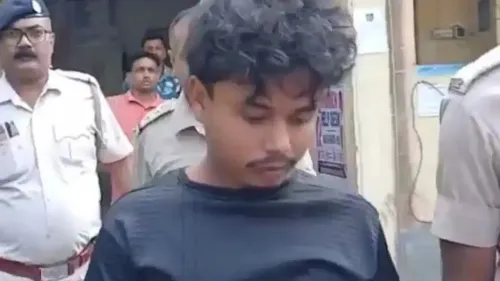
According to sources aware of the development, Prahlad Das was arrested in connection with the rape and murder of a minor girl at Gaighata the previous week. In the early hours of Tuesday, he was taken to the crime scene for reconstruction of events — a standard investigative procedure.
During the exercise, Das allegedly snatched the firearm of an escorting officer and opened fire at the police personnel. The escorting officers responded with counter-fire, leaving Das critically injured. He was subsequently rushed to a nearby state-run hospital, where he was declared dead.
The West Bengal Police had not issued an official statement on the incident as of Tuesday, though sources confirmed the broad sequence of events.
Wider Context and Legal Questions
Encounter killings in police custody remain a legally and ethically contentious area in India. Under Supreme Court guidelines established in the PUCL vs State of Maharashtra judgment, all cases of death in police encounters must be investigated by an independent agency — typically the Criminal Investigation Department (CID) — and a First Information Report must be registered. It is not yet confirmed whether such a procedure has been initiated in the Gaighata case.
This comes amid sustained scrutiny of law enforcement conduct across West Bengal, particularly following high-profile crimes in the state over the past year. Critics have previously argued that encounters, regardless of the gravity of the alleged crime, risk bypassing the due process guarantees enshrined in the Constitution.
What Happens Next
An independent probe into the encounter is likely to be mandated under existing Supreme Court directives. The National Human Rights Commission (NHRC) has in the past taken suo motu cognisance of encounter deaths in similar circumstances. How the West Bengal government and police formally respond will be closely watched by rights bodies and opposition parties alike.
Point of View
However grave the alleged crime, are not judicial outcomes; they require independent scrutiny precisely because the accused can no longer contest the version of events. Ghosh's framing of extrajudicial force as a tool for 'restoring trust' conflates deterrence with due process, two things the Constitution treats as distinct. The Supreme Court's PUCL guidelines exist for exactly this scenario, and the speed with which political cover is being offered here will likely determine whether those guidelines are actually invoked.
NationPress
27 Oct 2026
Frequently Asked Questions
Who was Prahlad Das and why was he killed in an encounter?
Prahlad Das was the accused in the rape and murder of a minor girl at Gaighata in North 24 Parganas, West Bengal. He was killed in a police encounter in the early hours of Tuesday, 27 October 2026, after allegedly snatching an officer's firearm during a crime-scene reconstruction exercise and opening fire at escorting police personnel.
What did West Bengal minister Dilip Ghosh say about the Gaighata encounter?
Ghosh defended the encounter, saying police must sometimes carry out 'unpleasant' actions to serve the larger public interest and restore eroded public trust. He also cited a previous similar encounter in South 24 Parganas as a precedent, stating that no one is above the law.
Has the West Bengal Police issued an official statement on the encounter?
As of Tuesday, 27 October 2026, the West Bengal Police had not issued an official statement on the incident. The account of events — Das snatching a weapon and officers retaliating — came from sources aware of the development, not from a formal police communiqué.
What does Indian law require after a death in a police encounter?
Under Supreme Court guidelines established in the PUCL vs State of Maharashtra judgment, all deaths in police encounters must be investigated by an independent agency, typically the CID, and an FIR must be registered. The National Human Rights Commission can also take suo motu cognisance of such deaths.
Is this the first such encounter in West Bengal recently?
No. Minister Dilip Ghosh himself referenced an earlier encounter in South 24 Parganas district involving a fugitive killer, framing the Gaighata incident as part of a pattern rather than an isolated event.