Gaighata rape-murder accused Prahlad Das killed in police encounter in Bengal
Synopsis
The rape-murder accused in the Gaighata minor case is dead after a police encounter — and the political split it has exposed in West Bengal is just as striking. Ruling alliance ministers are defending the killing as swift justice, while a TMC MP is demanding a judicial inquiry. With the Supreme Court's mandatory-probe guidelines in play, the legal scrutiny of this encounter may outlast the political noise.
Key Takeaways
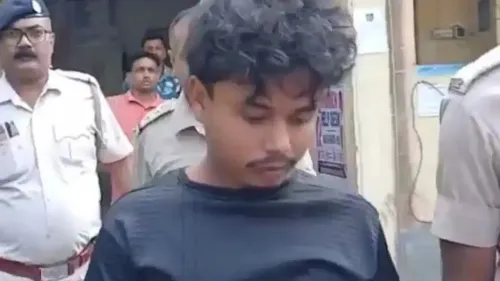
Prahlad Das , accused in the rape and murder of a minor in Gaighata , was killed in a police encounter in the early hours of 27 October 2026 .
Das was allegedly taken to the crime scene for reconstruction of events when he reportedly snatched an officer's firearm and fired at police.
Minister Ashok Kirtania and Minister Dilip Ghosh defended the encounter, saying no one is above the law.
TMC MP Saugata Roy called the incident an 'encounter killing' and demanded a judicial inquiry.
The Supreme Court has in previous rulings mandated mandatory magisterial inquiries into all deaths during police action in India.
Prahlad Das, the accused in the rape and murder of a minor girl in Gaighata, North 24 Parganas district, West Bengal, was killed in a police encounter in the early hours of Tuesday, 27 October 2026. The incident has drawn sharply divided responses from political leaders, with ruling alliance ministers defending the action and an opposition MP demanding a judicial inquiry.
How the Encounter Unfolded
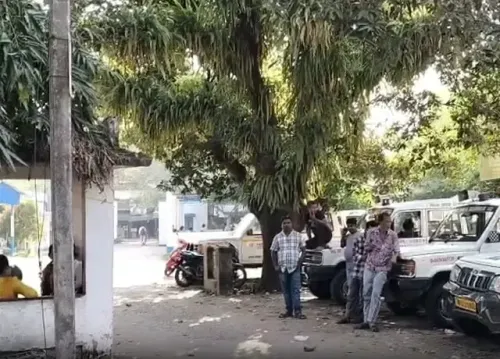
According to sources familiar with the development, Das was taken to the crime scene after his arrest for a reconstruction of the sequence of events. During the exercise, he allegedly snatched the firearm of an escorting police officer and opened fire at the personnel. The escorting officers retaliated, leaving Das critically injured. He was subsequently shifted to a nearby state-run hospital, where doctors declared him dead.
What Ministers Said in Defence
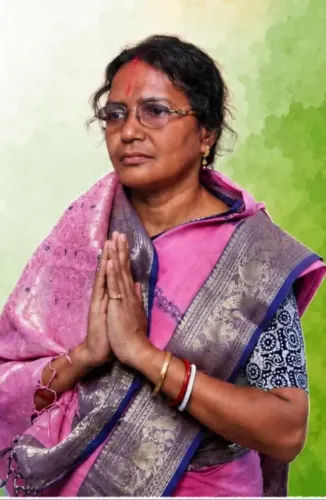
West Bengal minister Ashok Kirtania backed the police action, asserting that those involved in crimes against women and children would face appropriate consequences. 'This is Suvendu Ji's government, and Suvendu Adhikari is the police minister. Those who commit wrongdoings and commit such crimes against women and children will face appropriate action, like the action taken last night,' Kirtania said. He further warned, 'Those involved in hooliganism should mend their ways. Those who commit rape should change their ways or they, too, will face the same fate in the future as what happened now.'
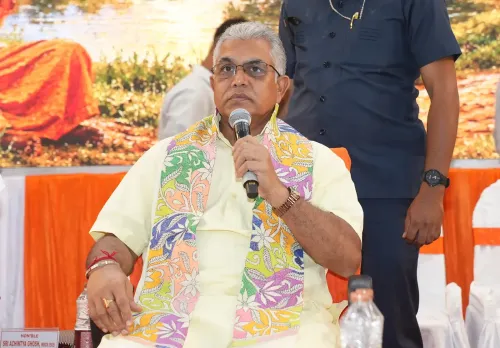
Minister Dilip Ghosh also defended the encounter, drawing parallels with past incidents. 'Such an incident has happened before as well, where an accused involved in a murder was fleeing, and an encounter took place. Something similar has happened here too. No one is above the law. If someone breaks the law, they will face such consequences,' Ghosh said. He also stressed the need to restore law and order in West Bengal, noting that sustained lawlessness had made citizens less fearful of consequences.
Opposition Calls for Judicial Probe
All India Trinamool Congress (TMC) MP Saugata Roy questioned the circumstances of the killing and called for an independent inquiry. 'No, this is an encounter killing by the police. The police have done this before as well, and it appears that the same has happened here. There should be a judicial enquiry into the matter,' Roy said. His remarks reflect broader concerns — shared by civil rights groups in past similar cases — about the accountability of police in encounter killings and the due process implications when an accused dies in custody.
Background and Broader Context
The original crime — the rape and murder of a minor girl in Gaighata — had triggered public outrage in the region. The encounter comes against a backdrop of sustained political debate in West Bengal over law and order, especially regarding crimes against women. Notably, encounter killings of accused individuals remain legally contentious in India; the Supreme Court has in past rulings mandated mandatory magisterial inquiries into all cases where individuals die during police action. Whether such a probe will be ordered in this instance remains to be seen.
Point of View
Precisely because 'he attacked us first' is the standard police account in every encounter killing. The real question is not whether the accused deserved punishment, but whether due process was followed — and whether the state government will order the independent probe it is legally obligated to commission. Conflating swift enforcement with justice erodes the very rule of law the ministers claim to uphold.
NationPress
27 Oct 2026
Frequently Asked Questions
Who was Prahlad Das and what was he accused of?
Prahlad Das was the accused in the rape and murder of a minor girl in Gaighata, North 24 Parganas district, West Bengal. The crime had occurred the previous week and triggered significant public outrage in the region.
How did the police encounter happen?
According to sources, Das was taken to the crime scene after his arrest for a reconstruction of events. He allegedly snatched a firearm from an escorting officer and fired at police, prompting retaliation. Das was critically injured and later declared dead at a state-run hospital.
Why did West Bengal ministers defend the encounter?
Ministers Ashok Kirtania and Dilip Ghosh defended the action as a legitimate police response to an armed attack, stating that those who commit heinous crimes against women and children will face strict consequences. They also cited the need to restore law and order in Bengal.
Who has demanded a judicial inquiry and why?
TMC MP Saugata Roy called the incident an encounter killing and demanded a judicial inquiry, questioning the circumstances surrounding the death. Encounter killings in India are legally contentious, with the Supreme Court mandating mandatory magisterial probes into all deaths during police action.
What are the legal obligations after a police encounter killing in India?
The Supreme Court has previously ruled that a mandatory magisterial inquiry must be conducted in all cases where a person dies during police action or in police custody. Whether such a probe will be ordered in the Gaighata encounter case remains to be seen.