Northern Tamil Nadu: A Critical Arena as DMK Aims to Retain Power
Synopsis
As Tamil Nadu gears up for a significant Assembly election, the northern districts are set to play a pivotal role in determining the outcome. With the DMK's stronghold facing challenges from the AIADMK-led coalition, the electoral dynamics are heating up.
Key Takeaways
Northern Tamil Nadu is a critical battleground for the upcoming elections.
The DMK has a strong historical presence and significant voter support.
The AIADMK is attempting a strategic comeback with experienced leaders.
Caste dynamics will heavily influence voting patterns.
Welfare initiatives are central to the DMK's campaign strategy.
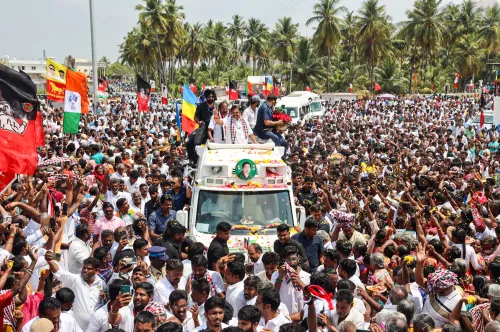
Chennai, April 6 (NationPress) As Tamil Nadu approaches a pivotal Assembly election, the northern districts of the state are once again coming to the forefront, emerging as a crucial battleground that could greatly impact the final results.
This region, stretching from Cuddalore to Tiruvannamalai, has historically been significant in determining political outcomes in Tamil Nadu.
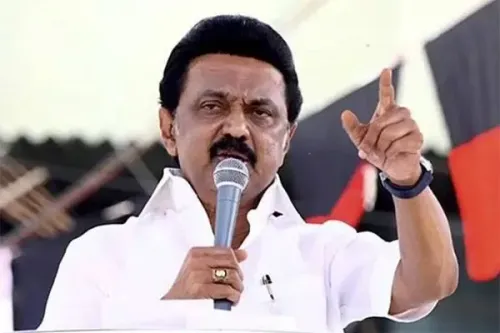
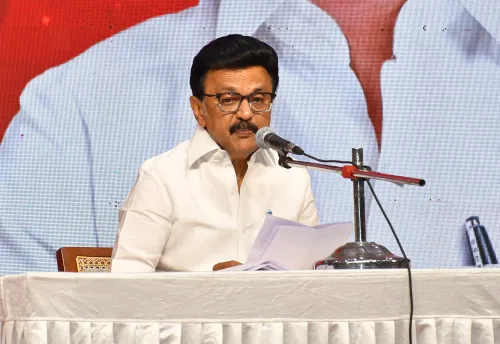
The DMK is entering this election with a notable structural edge, having established a robust electoral presence over multiple elections. Currently, the party commands a significant number of seats in these districts, showcasing its entrenched voter support and historical influence across constituencies.
Conversely, the AIADMK-led coalition is working on a strategic resurgence, aiming to rejuvenate its base and leveraging the return of seasoned leaders. The opposition is focused on bridging gaps in crucial constituencies where previous margins were slim.
Despite these attempts, the DMK continues to benefit from its well-rooted grassroots framework and organizational prowess, elements that have traditionally given it an advantage in the northern region.
The party’s consistent election performance has solidified its status as the leading political force here. Prominent DMK leaders such as Duraimurugan, E.V. Velu, and M.R.K. Panneerselvam originate from this area, underscoring the party’s organizational strength. Notably, Velu has maintained an unbroken electoral record since 2001, and their enduring local influence has fostered deep voter loyalty over numerous elections.
On the opposing side, AIADMK continues to depend on veteran leaders like C. Ve. Shanmugam and K.C. Veeramani to revive its fortunes.
Despite past challenges, these leaders have managed to keep the party’s organizational structure operational across key constituencies.
Caste dynamics play a vital role in electoral strategies in this region. Together, Vanniyars and Dalits comprise nearly 55 percent of the electorate, making coalition strategies essential. The DMK’s alliance with the Viduthalai Chiruthaigal Katchi, led by Thol. Thirumavalavan, is anticipated to secure Dalit votes in its favor. Meanwhile, the AIADMK's collaboration with the PMK aims to attract Vanniyar support. However, internal discord within the PMK—between founder S. Ramadoss and party President Anbumani Ramadoss—could result in vote division that may jeopardize the coalition’s chances.
The BJP remains a minor player in northern Tamil Nadu, although its presence might indirectly aid the DMK by consolidating minority votes. Several constituencies, such as Ambur, Vaniyambadi, Ranipet, and Kattumannarkoil, have significant Muslim populations, adding another layer to the electoral dynamics.
The entry of actor-turned-politician Vijay and his party, Tamilaga Vettri Kazhagam (TVK), has introduced a new variable, particularly among the youth. However, uncertainties remain regarding the party’s organizational capacity.
Similarly, Seeman’s NTK is projected to maintain a modest yet noteworthy vote share.
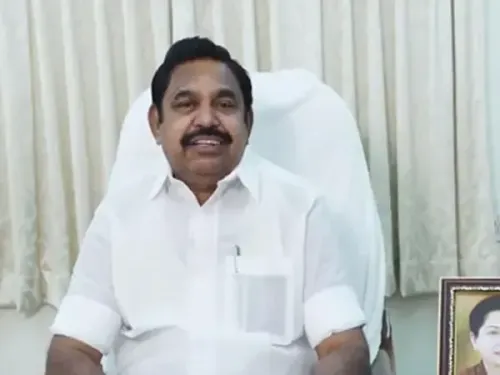
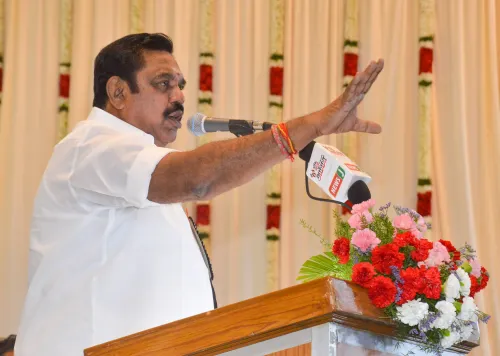
In addition to caste and alliances, the DMK is also banking on welfare programs, such as monthly financial aid for women, to amplify its appeal. Meanwhile, AIADMK leader Edappadi K. Palaniswami is emphasizing anti-incumbency sentiments and criticizing dynastic politics to regain ground.
With several factors in play, northern Tamil Nadu is shaping up to be a crucial electoral battleground, although initial signs indicate that the DMK holds a slight advantage.
Point of View
It is evident that northern Tamil Nadu is poised to be a decisive region in the forthcoming elections. The DMK's established dominance faces challenges from the AIADMK, yet the interplay of caste dynamics and grassroots strategies will be crucial in determining the outcome.
NationPress
24 Oct 2026
Frequently Asked Questions
What regions are crucial for the upcoming Tamil Nadu elections?
The northern districts of Tamil Nadu, particularly from Cuddalore to Tiruvannamalai, are considered pivotal for determining the election outcome.
How is the DMK positioned in the northern Tamil Nadu elections?
The DMK enters the election with a strong electoral base and significant seat holdings, giving it a structural advantage in the region.
What are the main challenges faced by the AIADMK?
The AIADMK is working to regain ground through strategic mobilization and leveraging the experience of seasoned leaders.
What role do caste dynamics play in the elections?
Caste dynamics are central to electoral strategies, with key voter segments like Vanniyars and Dalits significantly influencing the outcome.
What welfare initiatives is the DMK promoting?
The DMK is focusing on welfare initiatives, including monthly financial assistance for women, to enhance its appeal to voters.