DRI seizes 27 kg smuggled gold in multi-city ops, 12 arrested

Synopsis
In a week-long sweep across Mumbai, Kolkata, Uttar Pradesh, Cochin, and Guwahati, the DRI seized over 27 kg of smuggled gold and arrested 12 people. The most striking find: gold bars stuffed inside aircraft lavatory ceiling panels — and airport cleaning staff allegedly recruited to retrieve them.
Key Takeaways
The DRI seized more than 27 kg of foreign-origin smuggled gold and arrested 12 people in operations conducted between 19–24 July 2025 .
The largest single haul — 12 kg in six gold bars — was found inside aircraft lavatory ceiling panels at Mumbai Airport , involving passengers arriving from Addis Ababa .
3.7 kg of gold dust in wax form was recovered in a separate Mumbai Airport operation; five people arrested, including compromised aircraft cleaning staff .
A woman on the Brahmaputra Mail was caught with 5 kg of gold bars; she reportedly admitted the gold entered India via Bangladesh .
4.6 kg of gold was found hidden inside specially fabricated utensils at Kolkata Railway Station .
Additional recoveries of approximately 2 kg were made in Cochin and Guwahati .
The Directorate of Revenue Intelligence (DRI) has seized more than 27 kg of foreign-origin smuggled gold and arrested 12 people in a series of intelligence-led operations spanning multiple cities across India, according to an official statement released on Saturday, 25 July. The week-long crackdown, confirmed by the Finance Ministry, exposed increasingly sophisticated concealment techniques used by organised gold smuggling networks.
Key Seizures and Arrests
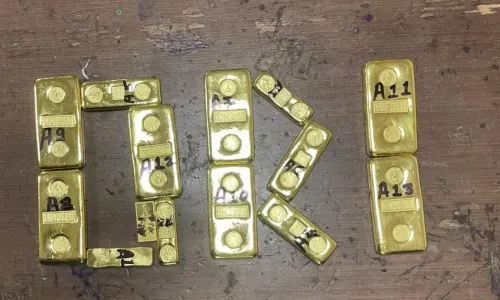
In one of the largest individual recoveries, DRI officers at Mumbai intercepted three passengers arriving from Addis Ababa on 23–24 July and recovered six foreign-origin gold bars weighing approximately 12 kg, concealed inside the ceiling panels of an aircraft's rear lavatory. Investigators found that the passengers had hidden the gold for later retrieval by airport staff. All three were arrested.
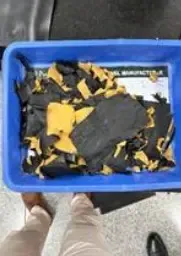
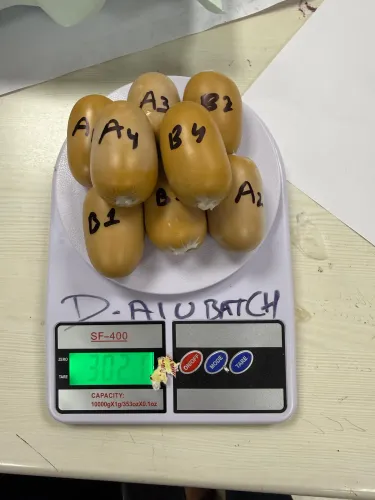
A separate intelligence-led operation at Mumbai Airport on 22–23 July dismantled a syndicate that had concealed 3.7 kg of gold dust in wax form inside an aircraft lavatory, intended for collection by compromised aircraft cleaning staff. Five people were arrested in that operation — including the carrier, cleaning staff members, a handler, and a recipient.
Rail and Border Routes Targeted
In Uttar Pradesh, DRI officers intercepted a woman travelling aboard the Brahmaputra Mail on 23 July and recovered 42 foreign-origin gold bars weighing around 5 kg, hidden in a waist belt and inside her handbag. During questioning, she reportedly admitted that the gold had been smuggled into India via Bangladesh. She was arrested and the gold seized.
Between 19 and 20 July, DRI officers at Kolkata Railway Station intercepted a passenger and recovered 4.6 kg of foreign-origin gold concealed inside specially fabricated utensils — a technique that points to the use of pre-planned, customised smuggling infrastructure.
Operations in Cochin and Guwahati
The agency also conducted separate operations in Cochin and Guwahati, recovering approximately 2 kg of foreign-origin gold in total. While details of those operations remain limited, the recoveries indicate that smuggling routes extend well beyond the major metro airports.
What the Operations Reveal
The coordinated crackdown highlights the evolving modus operandi of gold smuggling networks — from concealment inside aircraft lavatories and specially fabricated vehicle cavities to body-worn carriers and tampered utensils. Notably, the involvement of airport cleaning staff in the Mumbai operation points to the infiltration of ground-level airport personnel by smuggling syndicates, raising questions about insider threat protocols at Indian airports.
This comes amid sustained pressure on the DRI to curb illicit precious metal inflows, which authorities say distort the legitimate bullion market and deprive the exchequer of customs revenue. The DRI stated that the coordinated operations reflect its ongoing commitment to dismantling organised smuggling networks and stemming the illegal flow of precious metals into the country. Further investigations are underway.
Point of View
But the repeat use of the same concealment methods — lavatory panels, fabricated utensils, body belts — raises a harder question: why do these techniques keep working long enough to require a 'crackdown'?
NationPress
24 Oct 2026
Frequently Asked Questions
How much gold did the DRI seize in the July 2025 operations?
The DRI seized more than 27 kg of foreign-origin smuggled gold across multiple cities including Mumbai, Kolkata, Uttar Pradesh, Cochin, and Guwahati in operations conducted between 19 and 24 July 2025. A total of 12 people were arrested in connection with the seizures.
Where was the largest gold seizure made?
The single largest recovery was at Mumbai Airport, where DRI officers found six gold bars weighing approximately 12 kg hidden inside the ceiling panels of an aircraft lavatory. The gold was brought in by three passengers arriving from Addis Ababa on 23–24 July.
How was the gold being smuggled into India?
Smugglers used a range of concealment methods, including aircraft lavatory ceiling panels, gold dust mixed with wax, specially fabricated utensils, waist belts, and handbags. One route reportedly ran through Bangladesh, with the gold intercepted on the Brahmaputra Mail train in Uttar Pradesh.
Were airport staff involved in the smuggling?
Yes, according to the Finance Ministry statement, a Mumbai Airport operation uncovered a syndicate that used compromised aircraft cleaning staff to retrieve gold dust concealed in an aircraft lavatory. Five people were arrested, including the carrier, cleaning staff, a handler, and a recipient.
What is the DRI and why is it conducting these operations?
The Directorate of Revenue Intelligence (DRI) is India's apex anti-smuggling agency under the Finance Ministry. It conducts intelligence-led operations to intercept illicit goods — including gold — that bypass customs duty, distort the bullion market, and deprive the government of revenue.