ECI Clears TN & West Bengal: Zero Re-Poll After Full Scrutiny
Synopsis
The Election Commission of India has given a clean chit to over 1.19 lakh polling stations across Tamil Nadu and West Bengal, recommending zero re-polls after exhaustive post-election scrutiny of voter registers and election-day documents from the April 23 Assembly elections — a significant administrative milestone amid high voter turnout.
Key Takeaways
No re-poll recommended by the Election Commission of India in Tamil Nadu or West Bengal after April 23, 2025 Assembly elections.
Scrutiny covered 75,064 polling stations in Tamil Nadu and 44,376 polling stations in West Bengal's first phase — over 1.19 lakh stations in total.
Over 1,825 candidate representatives participated in Tamil Nadu scrutiny; over 600 in West Bengal, with all candidates informed in advance.
The entire scrutiny process was fully videographed and Form 17A documents were re-sealed by returning officers after examination.
West Bengal recorded over 92% voter turnout in Phase 1; Tamil Nadu recorded approximately 85% across all 234 constituencies.
West Bengal Phase 2 polling is scheduled for April 29, 2025 , covering the remaining constituencies.
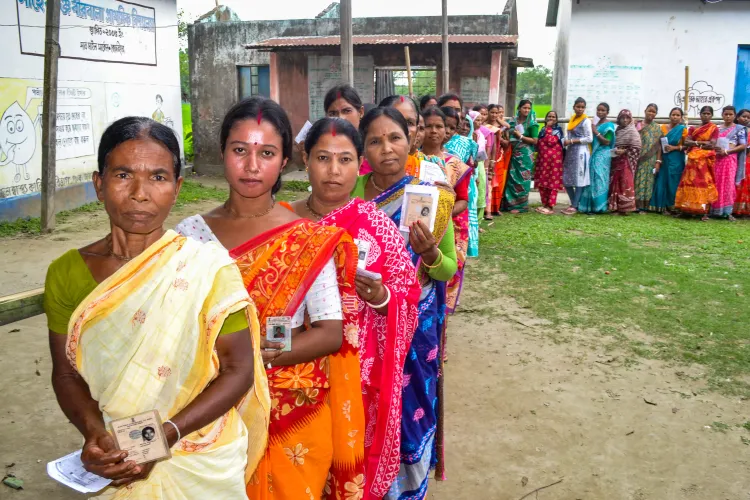
The Election Commission of India (ECI) on Saturday, April 25, confirmed that no re-poll has been recommended in either Tamil Nadu or West Bengal following a comprehensive post-poll scrutiny of voter registers and election-day documents from the Assembly elections held on April 23, 2025. The clean chit covers over 1.19 lakh polling stations across both states, signalling a largely incident-free voting exercise at the administrative level.
Scrutiny Process: Scale and Transparency
The Election Commission deployed its consolidated post-poll scrutiny protocol, examining Form 17A — the register of voters — alongside all other election-day records. The exercise was designed to improve transparency, detect possible malpractices, and recommend re-polling wherever irregularities were found.
In West Bengal, the scrutiny was conducted on Friday, April 25, across all 152 Assembly constituencies that voted in the first phase. Returning officers oversaw the process in the presence of general observers and more than 600 candidates or their authorised representatives. All 1,478 candidates in the state were formally notified in advance about the date, time, and venue.
After a thorough review, no re-poll was recommended in any of the 44,376 polling stations that participated in the first phase. The second and final phase of polling in West Bengal is scheduled for April 29, 2025.
Tamil Nadu: Single-Phase Election Clears Scrutiny
In Tamil Nadu, where the Assembly election was conducted in a single phase across all 234 constituencies, scrutiny was completed on Friday. The process involved returning officers, general observers, and 1,825 candidates or their representatives.
All 4,023 candidates in Tamil Nadu were informed beforehand. The ECI confirmed that no re-poll was recommended in any of the 75,064 polling stations across the state — a significant outcome given the scale of the exercise.
EVM-VVPAT Security and Documentation Protocols
The Election Commission stated that the entire scrutiny process in both states was fully videographed. Form 17A and related materials were re-sealed with the seal of the returning officers after examination, ensuring a tamper-proof chain of custody.
EVM-VVPAT machines have been securely stored in strong rooms under a double-lock system with round-the-clock two-tier security and CCTV surveillance. Candidate representatives have been permitted to set up camps near strong rooms to independently monitor security arrangements — a measure that adds a layer of public accountability to the process.
Voter Turnout: Democratic Participation at Its Peak
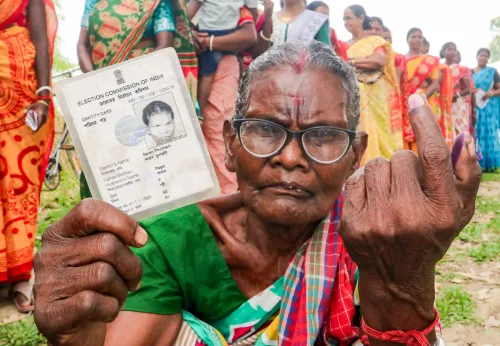
Tamil Nadu recorded an impressive voter turnout of approximately 85 per cent across all 234 constituencies, reflecting strong public enthusiasm. West Bengal saw an even higher turnout of over 92 per cent in its 152 first-phase constituencies, despite sporadic incidents of violence reported during polling day.
The high participation figures, combined with the clean post-poll scrutiny outcome, underscore both the logistical capacity of the Election Commission and the electorate's confidence in the democratic process.
Broader Context: Why This Scrutiny Matters
Post-poll scrutiny of Form 17A has historically been a critical safeguard against booth capturing, proxy voting, and other electoral malpractices. The ECI's decision to make the process transparent — with candidates' representatives present and proceedings videographed — addresses long-standing concerns raised by political parties and civil society groups about the opacity of post-election record-keeping.
Notably, this scrutiny framework was strengthened in recent election cycles following demands from opposition parties for greater verifiability of voter records, particularly in states with a history of poll violence like West Bengal. The zero re-poll recommendation in both states, if accepted at face value, suggests that the administrative machinery held up under pressure — though political parties retain the right to challenge results through legal channels.
With West Bengal's second phase on April 29 still to come, all eyes will be on whether the ECI maintains the same level of scrutiny rigour across the remaining constituencies. The outcome of this election will have significant implications for the state's political landscape ahead of the next general election cycle.
Point of View
But it should be read carefully — post-poll scrutiny clears procedural records, not political grievances. West Bengal's 92% turnout amid reported violence is a paradox that deserves deeper examination: high participation does not automatically mean free and fair polling at the ground level. The real test of the ECI's credibility lies not just in clean paperwork, but in how it handles complaints filed by losing candidates after results. The transparency measures — videography, candidate presence, re-sealing — are steps forward, but India's electoral watchdog must be judged on whether these safeguards hold when powerful incumbents are involved.
NationPress
29 Sept 2026
Frequently Asked Questions
Has the Election Commission recommended re-poll in Tamil Nadu or West Bengal after April 23 elections?
No. The Election Commission of India confirmed on April 25, 2025, that no re-poll has been recommended in any polling station in either Tamil Nadu or West Bengal. This covers 75,064 stations in Tamil Nadu and 44,376 in West Bengal's first phase.
What is Form 17A and why is it scrutinised after elections?
Form 17A is the official register of voters maintained at each polling station on election day. It is scrutinised post-poll to detect irregularities like proxy voting, booth capturing, or discrepancies between votes cast and ballots counted, and to decide if a re-poll is necessary.
When is the second phase of West Bengal Assembly elections 2025?
The second and final phase of the West Bengal Assembly elections is scheduled for April 29, 2025. The first phase covered 152 constituencies on April 23.
What was the voter turnout in Tamil Nadu and West Bengal on April 23, 2025?
Tamil Nadu recorded approximately 85% voter turnout across all 234 constituencies. West Bengal saw over 92% turnout in 152 first-phase constituencies despite sporadic violence during polling.
How are EVMs stored after voting to ensure security?
EVM-VVPAT machines are stored in strong rooms under a double-lock system with 24/7 two-tier security and CCTV surveillance. Candidate representatives are also permitted to set up monitoring camps near strong rooms to independently verify security arrangements.