Historic Voter Turnout: Bengal 90%, Tamil Nadu 82% by 5 PM
Synopsis
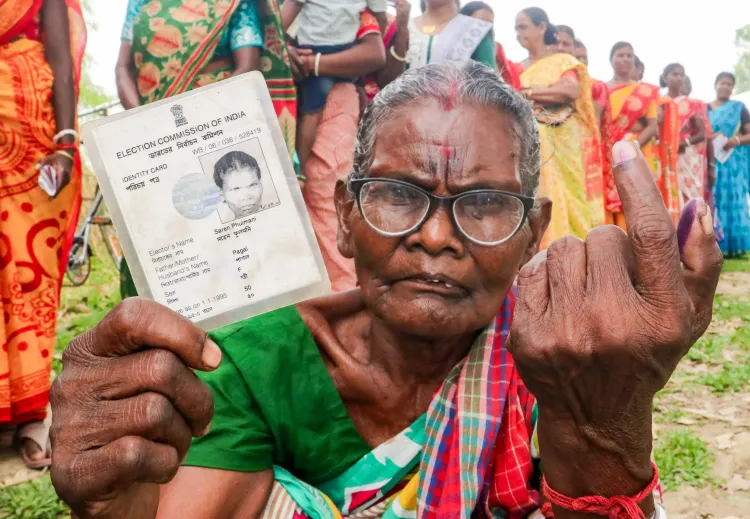
West Bengal and Tamil Nadu smashed their own voter turnout records on April 23, with Bengal hitting nearly 90% and Tamil Nadu crossing 82% by 5 PM — both surpassing 2021 figures by significant margins, defying pre-election SIR controversy and signalling historic democratic participation.
Key Takeaways
West Bengal recorded 89.93 per cent voter turnout by 5 PM on April 23 , surpassing the 2021 figure of 82 per cent.
Tamil Nadu clocked 82.24 per cent turnout by 5 PM , well above the 74 per cent recorded in the 2021 assembly elections .
Phase 1 polling in West Bengal covered 152 constituencies across 16 districts ; Phase 2 for the remaining 142 constituencies is on April 29 .
Over 5.73 crore voters in Tamil Nadu cast their ballots across all 234 constituencies , choosing among 4,023 candidates .
The controversial Special Intensive Revision (SIR) drive did not appear to suppress turnout — both states hit record participation levels despite pre-election concerns.
Vote counting for both states is scheduled for May 4 , when the next governments of Tamil Nadu and West Bengal will be decided.
Kolkata/Chennai, April 23: West Bengal and Tamil Nadu recorded historic voter turnout figures on Thursday, April 23, with the Election Commission of India (ECI) confirming that both states are on course to shatter previous electoral participation records. By 5 PM, West Bengal clocked 89.93 per cent polling and Tamil Nadu registered 82.24 per cent — comfortably surpassing their respective 2021 assembly election benchmarks of 82 per cent and 74 per cent.
Record-Breaking Polling Percentages Across Both States
The surge in voter participation has caught political observers by surprise, particularly given the controversy surrounding the Special Intensive Revision (SIR) drive conducted ahead of the elections. Critics had feared the SIR process — which involved large-scale voter roll revision — might suppress turnout by disenfranchising eligible voters. Instead, the data tells a dramatically different story.
By 3 PM, West Bengal had already recorded 78.77 per cent polling, while Tamil Nadu stood at 70 per cent, according to EC data. The two-hour window between 3 PM and 5 PM saw significant additional participation, underscoring the sustained enthusiasm of voters throughout the day.
This is a notable democratic signal — in an era when urban voter apathy is frequently cited as a structural challenge for Indian elections, the turnout numbers from both states suggest deep civic engagement at the grassroots level.
West Bengal Phase 1: 152 Constituencies Across 16 Districts
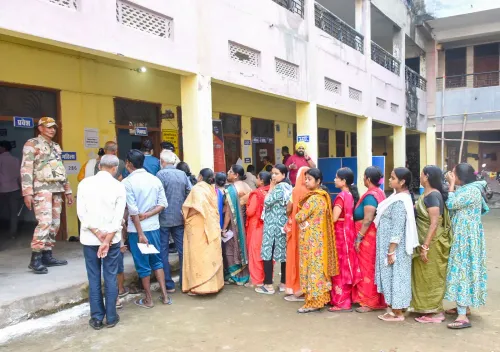
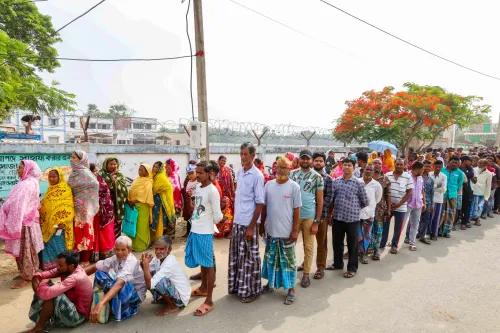
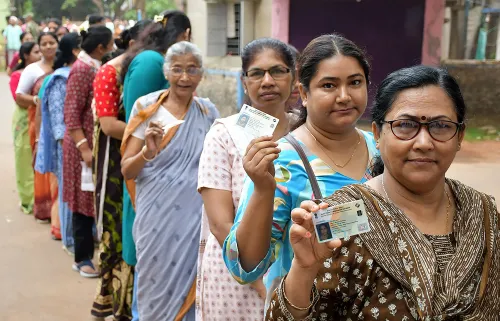
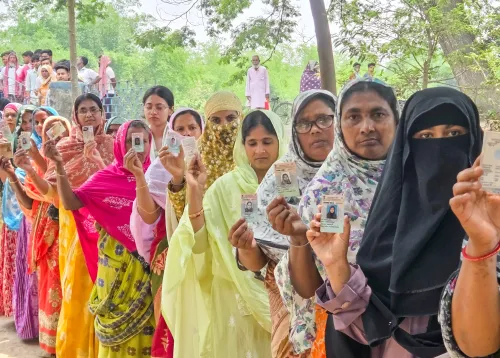
In West Bengal, Phase 1 polling covered 152 assembly constituencies spread across 16 districts, with voting commencing at 7 AM. Long queues were visible at polling stations from the early hours of the morning, reflecting strong public intent.
The 16 districts going to polls in the first phase include Cooch Behar, Darjeeling, Kalimpong, Jalpaiguri, Alipurduar, North Dinajpur, South Dinajpur, and Malda in North Bengal, and Murshidabad, East Midnapore, West Midnapore, Jhargram, Purulia, Bankura, West Burdwan, and Birbhum in South Bengal.
The remaining 142 assembly constituencies in West Bengal will vote in Phase 2 on April 29. The state's two-phase structure reflects both its geographic spread and the logistical demands of managing a high-stakes election in one of India's most politically volatile states.
Tamil Nadu: 234-Seat Battle Among 4,023 Candidates
In Tamil Nadu, all 234 assembly constituencies voted simultaneously on Thursday, with over 5.73 crore eligible voters deciding the fate of 4,023 candidates. Polling began at 7 AM amid high enthusiasm, with voters forming long lines well before booths opened.
The electoral contest is widely described as a four-cornered battle. The primary alliances in the fray are the DMK-led Secular Progressive Alliance, the AIADMK-led National Democratic Alliance, Naam Tamilar Katchi (NTK), and the newly formed Tamilaga Vettri Kazhagam (TVK). The entry of TVK — backed by actor-turned-politician Vijay — has added a fresh dimension to what analysts already considered one of the most competitive Tamil Nadu elections in recent memory.
Notably, the 82.24 per cent turnout in Tamil Nadu is a significant leap from the 74 per cent recorded in the 2021 assembly elections, suggesting that the multi-cornered contest has energised voters across caste, class, and regional lines.
SIR Controversy and Its Surprising Outcome
The Special Intensive Revision (SIR) drive had sparked intense political controversy in the weeks leading up to the election. Opposition parties in both states alleged that the exercise was being used to selectively delete voter names, particularly from minority and marginalised communities. Legal challenges were filed, and the matter drew national attention.
However, the record turnout figures appear to have, at least on the surface, neutralised those concerns. Whether the SIR drive actually impacted specific voter demographics — even if aggregate numbers are high — is a question that political analysts and civil society groups are likely to examine closely in the post-election period.
This is not the first time pre-election procedural controversies have paradoxically driven higher voter engagement. Historical data from Indian elections suggests that controversy around electoral rolls often galvanises communities to verify their registration and show up at polling booths.
Vote Counting and What Comes Next
The counting of votes for both Tamil Nadu and West Bengal is scheduled for May 4. The results will determine the next state governments, with significant national implications — both states are politically crucial for the ruling alliance at the Centre and for key opposition formations.
In West Bengal, the contest is widely seen as a referendum on the Trinamool Congress government, while in Tamil Nadu, the outcome will test whether the DMK can retain power or whether the fragmented opposition can mount a credible challenge. The record turnout adds an element of unpredictability — high participation historically benefits incumbents in some contexts but can also signal anti-incumbency in others.
As Phase 2 voting in West Bengal approaches on April 29, all eyes will be on whether the momentum holds — and whether the final tallies on May 4 reflect the will of a truly mobilised electorate.
Point of View
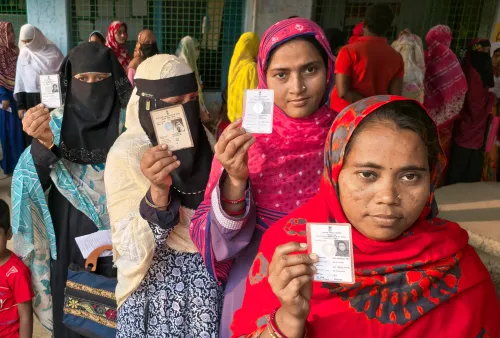
Ordinary citizens chose to show up in unprecedented numbers. The deeper story here is about political mobilisation — all four major formations in Tamil Nadu and the high-octane Bengal contest have each activated their bases to the hilt, and the result is a turnout that will make the May 4 count genuinely unpredictable. India's democracy, for all its imperfections, is clearly not suffering from apathy.
NationPress
26 Sept 2026
Frequently Asked Questions
What was the voter turnout in West Bengal and Tamil Nadu by 5 PM on April 23?
By 5 PM on April 23, West Bengal recorded 89.93 per cent voter turnout and Tamil Nadu recorded 82.24 per cent, according to Election Commission data. Both figures surpass their respective 2021 assembly election turnout percentages.
How does the 2025 turnout compare to the 2021 elections in these states?
In the 2021 assembly elections, West Bengal recorded 82 per cent turnout and Tamil Nadu recorded 74 per cent. The 2025 figures of nearly 90 per cent and 82.24 per cent respectively represent a significant jump in voter participation.
When is the vote counting for Tamil Nadu and West Bengal elections?
Vote counting for both Tamil Nadu and West Bengal assembly elections is scheduled for May 4. The results will determine the next state governments in both states.
What is the SIR drive and why was it controversial?
The Special Intensive Revision (SIR) drive was an Election Commission exercise to revise and update voter rolls ahead of the elections. It drew controversy because opposition parties alleged it was being used to selectively delete voter names from marginalised communities, though the record turnout suggests it did not broadly suppress participation.
Which political alliances are contesting the Tamil Nadu 2025 assembly elections?
The Tamil Nadu 2025 assembly elections feature a four-cornered contest among the DMK-led Secular Progressive Alliance, the AIADMK-led National Democratic Alliance, Naam Tamilar Katchi (NTK), and Tamilaga Vettri Kazhagam (TVK). Over 4,023 candidates are contesting across all 234 constituencies.