SIR Boosts Voter Turnout: Piyush Goyal Credits Electoral Roll Revision
Synopsis
Union Minister Piyush Goyal credited the Election Commission's Special Intensive Revision (SIR) for record voter turnout — 89.93% in West Bengal and 82.24% in Tamil Nadu. He also reiterated BJP's promise to remove illegal infiltrators, linking cleaner electoral rolls to stronger democratic participation.
Key Takeaways
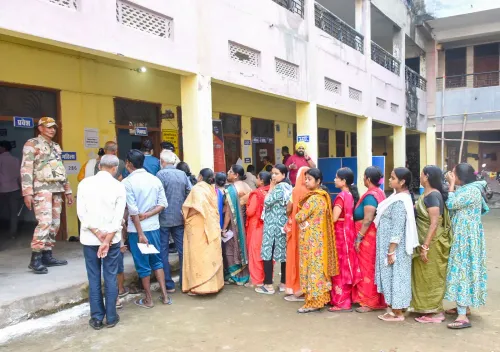
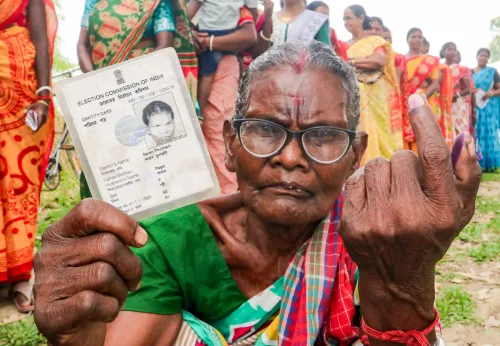
West Bengal recorded a voter turnout of 89.93% by 5 PM on April 23 — the highest in 15 years , since the 2011 elections .
Tamil Nadu recorded 82.24% turnout , up sharply from 74% in the 2021 Assembly elections .
Union Minister Piyush Goyal credited the Election Commission's SIR process for removing fake, dead, and non-citizen voters from electoral rolls.
Goyal, BJP's Tamil Nadu election in-charge , confirmed a 15–20% increase in Tamil Nadu's voting by 1:30 PM alone compared to the last election.
BJP reiterated its promise to remove illegal infiltrators from West Bengal , linking the SIR exercise to its broader NRC/CAA narrative.
The NDA has expressed confidence in a "clean sweep" in both West Bengal and Tamil Nadu , with results awaited in the coming weeks.
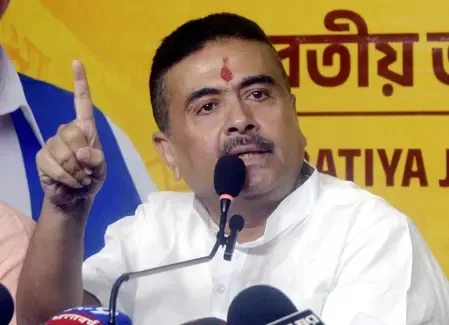
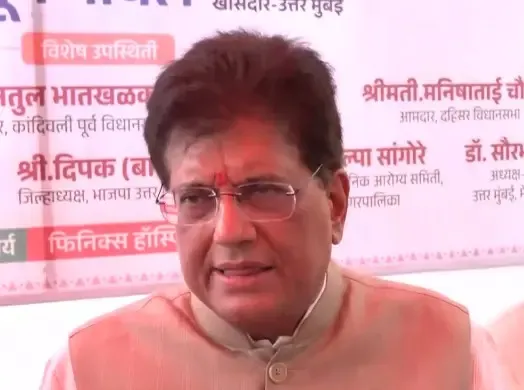
Union Minister Piyush Goyal on Thursday, April 23, attributed the historic voter turnout in Tamil Nadu and West Bengal's first phase of Assembly elections to the Special Intensive Revision (SIR) of electoral rolls conducted by the Election Commission of India (ECI). Speaking from Mumbai, Goyal — who also serves as BJP's election in-charge for Tamil Nadu — described the polling figures as "unprecedented," signalling a major shift in electoral participation driven by cleaner voter lists.
Record Polling Numbers in Both States
West Bengal recorded a staggering 89.93% voter turnout by 5 PM on Thursday, marking the highest polling percentage in the state in 15 years — since the landmark 2011 elections that ended the 34-year Left Front government and ushered in Mamata Banerjee's Trinamool Congress regime.
In Tamil Nadu, the voting percentage reached 82.24% by 5 PM, a significant jump from the 74% recorded during the 2021 Assembly elections. Goyal noted that by 1:30 PM alone, Tamil Nadu had already logged a 15 to 20% increase in voter participation compared to the previous election cycle.
Goyal's Claim: SIR Cleaned Up the Voter Rolls
The minister directly linked the surge in turnout to the SIR process, which involved the systematic deletion of fake, dead, and duplicate voters from electoral rolls using advanced technology. "Though we have experienced that the turnout is usually less in Assembly polls, this polling percentage reflects the deletion of fake and dead voters through SIR and the improvement brought in the electoral list through technology," Goyal stated.
He argued that when bogus entries are removed, each genuine vote carries greater weight, incentivising real voters to participate. This logic — that cleaner rolls drive higher legitimate participation — is a central argument the BJP has been advancing to defend the ECI's SIR exercise, which has faced criticism from opposition parties.
West Bengal: Illegal Infiltrators at the Centre of BJP's Narrative
Goyal placed particular emphasis on West Bengal, asserting that the SIR process had removed voters who were "not even Indian citizens." He reiterated BJP's poll promise to eliminate illegal infiltrators — a politically charged issue in the state that borders Bangladesh. "The bogus voters have been removed through the impartial implementation of an honest process. Going forward, they will be removed from the country as well," he declared.
This statement directly connects to BJP's broader National Register of Citizens (NRC) and Citizenship Amendment Act (CAA) narrative, which has been a cornerstone of the party's electoral strategy in West Bengal for several election cycles. Critics, including Trinamool Congress, have argued that such rhetoric targets Muslim minorities and Bengali-speaking communities rather than actual illegal immigrants.
Political Significance and NDA's Confidence
Goyal expressed full confidence that the National Democratic Alliance (NDA) would make a "clean sweep" in both West Bengal and Tamil Nadu. This assertion comes despite Tamil Nadu being considered a stronghold of the DMK-Congress alliance and West Bengal being dominated by Mamata Banerjee's TMC.
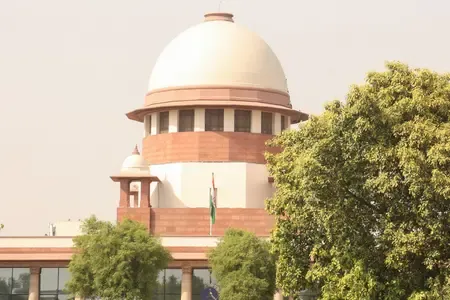
Notably, the SIR process has been a flashpoint between the ECI and opposition parties, with several regional outfits alleging that the revision exercise disproportionately deleted the names of minority and marginalised voters. The Supreme Court of India had also taken note of petitions challenging the SIR, adding a judicial dimension to what is now becoming a central electoral controversy.
What This Means Going Forward
The high turnout figures, if validated in the final count, will likely be used by the BJP as vindication of the ECI's SIR exercise and as a template for future electoral reforms. However, the actual election results — expected in the coming weeks — will be the true test of whether the cleaned-up voter rolls translated into gains for the ruling party or simply reflected a broader wave of civic engagement.
With West Bengal's remaining phases still to be conducted and Tamil Nadu's results eagerly awaited, political analysts will closely watch whether the turnout surge correlates with vote-share shifts. The 2026 state elections and the broader national political landscape will also be shaped by the lessons drawn from this electoral exercise.
Point of View
Why weren't criminal cases filed against those who enrolled them? High turnout is democratic health; but weaponising it as partisan vindication, before a single vote is counted, reveals how deeply electoral processes have been drawn into India's political battleground.
NationPress
23 Oct 2026
Frequently Asked Questions
What is the Special Intensive Revision (SIR) of electoral rolls?
The Special Intensive Revision (SIR) is a process conducted by the Election Commission of India to update and clean electoral rolls by removing fake, dead, duplicate, and ineligible voters. It uses technology and field verification to ensure only genuine citizens are enrolled as voters.
What was the voter turnout in West Bengal and Tamil Nadu in the 2025 elections?
West Bengal recorded a voter turnout of 89.93% by 5 PM during the first phase of the 2025 Assembly elections — the highest in 15 years. Tamil Nadu recorded 82.24% turnout, significantly higher than the 74% recorded in the 2021 elections.
Why did Piyush Goyal credit SIR for the high voter turnout?
Goyal argued that by removing fake, dead, and non-citizen voters through the SIR process, each genuine vote now carries more value, encouraging real voters to participate. He said the improved electoral rolls, aided by technology, directly contributed to the record turnout figures.
What did Piyush Goyal say about illegal infiltrators in West Bengal?
Goyal stated that the SIR process had removed voters from West Bengal's electoral rolls who were not Indian citizens, calling it an impartial and honest process. He reiterated BJP's poll promise to remove illegal infiltrators from the country going forward.
Has the SIR process faced any legal or political challenges?
Yes, the SIR process has faced opposition from several political parties who allege it disproportionately deleted the names of minority and marginalised voters. The Supreme Court of India also took note of petitions challenging the exercise, making it a contested legal and political issue.