How Does the 1st Stage of SIR in Bengal Fare with Voter List Matching?

Synopsis
As West Bengal embarks on the first phase of the Special Intensive Revision (SIR), recent findings reveal that only 32.06% of current voters' names match the 2002 electoral roll. This critical process, crucial for upcoming elections, aims to ensure voter authenticity and streamline the electoral framework in the state.
Key Takeaways
Only 32.06% of current names match the 2002 roll.
Approximately 7.66 crore voters are registered in the current list.
Mapping and matching of names is ongoing.
Voters must provide specific documents if not listed in the 2002 roll.
The SIR process concludes by March 2026.
Kolkata, Nov 4 (NationPress) The initial phase of the three-part Special Intensive Revision (SIR) by the Election Commission of India (ECI) in West Bengal commenced on Tuesday, revealing that only 32.06 percent of the current voters’ list aligns with the 2002 electoral roll, based on the ongoing 'mapping and matching' process between both lists.
The 2002 voter list, which serves as the foundation for the current SIR, is being meticulously compared to the present voters’ data.
An insider from the office of the Chief Electoral Officer (CEO) noted, 'The total count of voters in West Bengal on the current list stands at approximately 7.66 crore. So far, the mapping has identified under 2.46 crore voters whose names or their parents' names are present in the 2002 list.
However, final figures may vary upon completion of the mapping process.
According to established guidelines, voters with names or their parents' names on the 2002 list will automatically be recognized as legitimate voters. They are required to submit only the completed enumeration forms to retain their names in the revised list.
Conversely, individuals without their names on the 2002 list must provide one of the documents mandated by the ECI. While the Aadhaar card is among the accepted documents, the ECI has clarified that it is insufficient on its own; voters must present one of the additional 11 documents specified by the ECI.
Furthermore, the Aadhaar card will not serve as proof of citizenship or age.
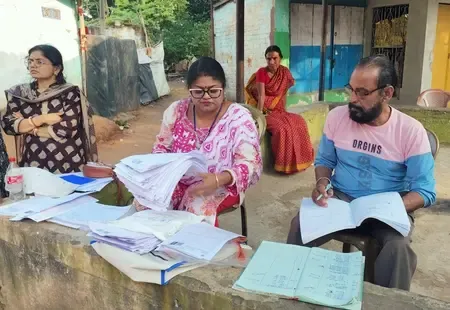
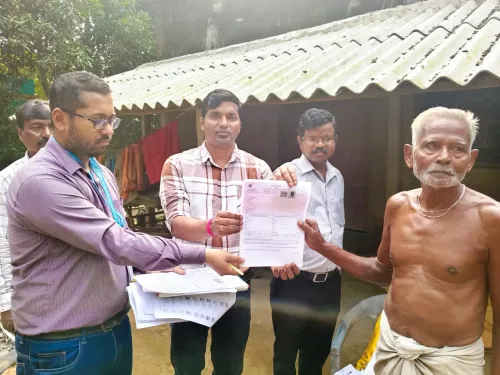
The SIR process is structured into three stages. During the first phase, Booth Level Officers (BLOs) will visit each household with enumeration forms to gather voter details. At the conclusion of this phase, the draft voters’ list for the state will be published.
In the second phase, any political party or individual voter will have the opportunity to register complaints regarding the draft list, which the ECI will address.
Finally, in the third stage, Electoral Registration Officers (ERO) will respond to complaints from political parties or individual voters, leading to the release of the final voters’ list.
The entire process is anticipated to conclude by March 2026 at the latest.
Next year, West Bengal, along with three other states and one union territory, is set to participate in significant Assembly elections.
Point of View
It is essential to ensure transparency and inclusivity. The nation watches closely as these developments could set a precedent for future electoral practices across the country.
NationPress
2 Oct 2026
Frequently Asked Questions
What is the Special Intensive Revision (SIR)?
The SIR is a process conducted by the Election Commission to update and verify the electoral rolls, ensuring that the voters' list reflects accurate and current information.
Why is the 2002 electoral roll being used as a reference?
The 2002 electoral roll serves as the baseline for the current SIR, as it was the last comprehensive review conducted in West Bengal.
What happens to voters not listed in the 2002 roll?
Voters who are not on the 2002 list must provide one of the documents specified by the ECI to establish their eligibility to vote.
When will the final voters' list be published?
The entire SIR process is expected to be completed by March 2026, after which the final voters' list will be published.
How can voters ensure their names remain on the list?
Voters can ensure their names remain on the list by submitting the duly filled enumeration forms and, if applicable, providing the required documents.