Historic Voter Turnout: Women Lead Bengal & TN to Record Highs
Synopsis
Tamil Nadu hit 84.69% and West Bengal Phase-I hit 91.78% voter turnout on April 23, 2026 — both all-time state records. The most striking detail: women outvoted men in both states, signalling a historic shift in India's democratic participation that could reshape future electoral strategies.
Key Takeaways
Tamil Nadu recorded its highest-ever voter turnout of 84.69% on April 23, 2026 , surpassing the 2011 record of 78.29%.
West Bengal Phase-I hit 91.78% turnout , up sharply from its previous best of 84.72% in 2011.
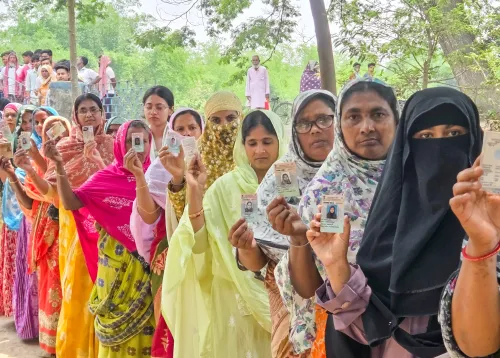
Women outpolled men in both states — 85.76% vs 83.57% in Tamil Nadu and 92.69% vs 90.92% in West Bengal.
A combined electorate of over 9.33 crore voters was served across 1.19 lakh polling stations staffed by nearly 6 lakh personnel .
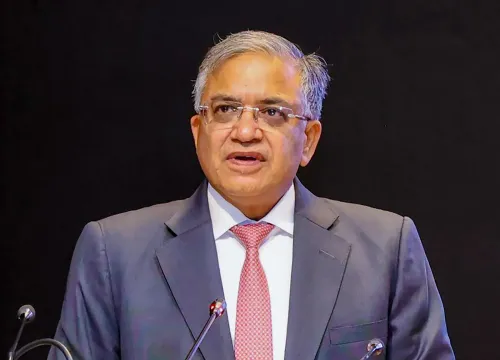
The ECI ensured 100% live webcasting of all polling stations, with real-time oversight by Chief Election Commissioner Gyanesh Kumar .
By-elections in Gujarat and Maharashtra saw lower but steady turnout — Umreth (59.03%) , Baramati (57.48%) , and Rahuri (55.31%) .
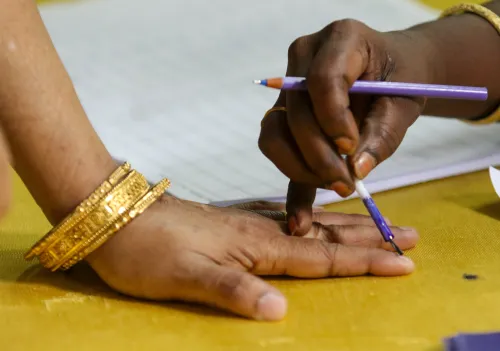
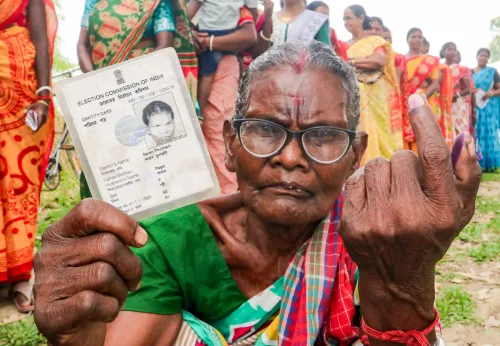
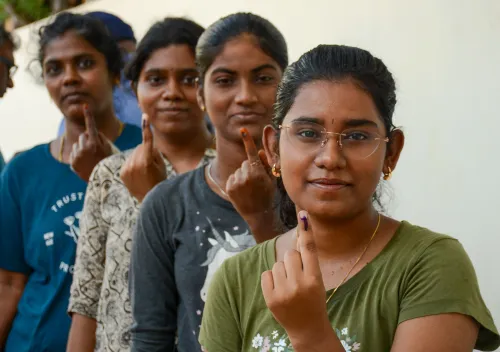
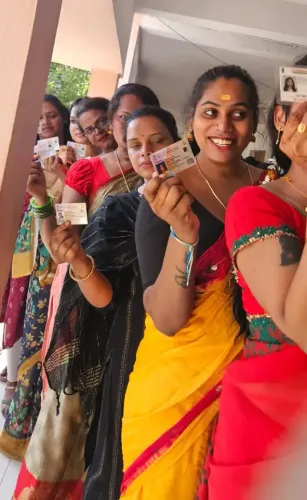
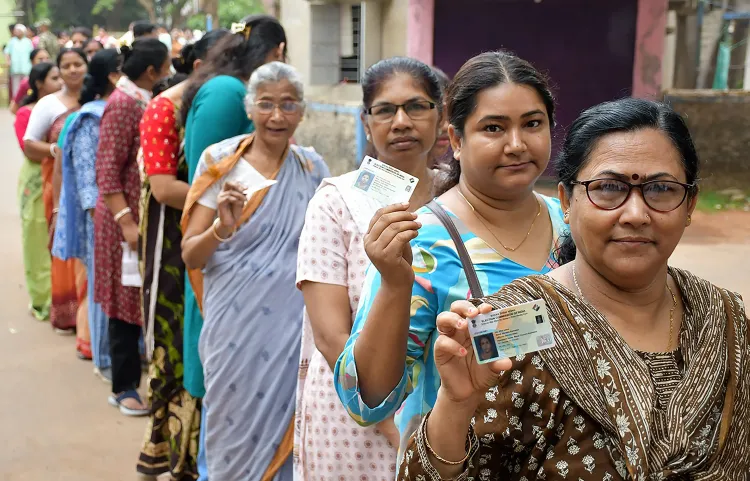
New Delhi, April 23, 2026 — The Election Commission of India (ECI) reported a landmark surge in voter participation on April 23, 2026, as Tamil Nadu and West Bengal (Phase-I) shattered their own historical records in Legislative Assembly Elections 2026. In a defining moment for Indian democracy, female voters outpaced male voters in both states, signalling a powerful and irreversible shift in the country's electoral landscape.
Tamil Nadu Shatters 15-Year Turnout Record
Tamil Nadu recorded an overall voter turnout of 84.69 per cent till 5:00 PM on election day — decisively surpassing the state's previous best of 78.29 per cent set in the 2011 Assembly elections. The jump is particularly striking when compared to 73.63 per cent in 2021 and 70.14 per cent in the 2024 Lok Sabha polls, marking a consistent upward trajectory.
The gender breakdown tells an even more compelling story. Female voter turnout stood at 85.76 per cent, outpacing male voter turnout at 83.57 per cent. Tamil Nadu's 234 Assembly constituencies served an electorate of over 5.7 crore voters, making this one of the largest single-day democratic exercises in the state's post-Independence history.
Historically, Tamil Nadu's participation hovered in the moderate range during the 1950s and 1960s, gradually rising through the late 20th century. The 2026 figures represent the highest-ever recorded turnout for the state — a decisive leap that analysts attribute to heightened political awareness, improved voter facilitation infrastructure, and strong grassroots mobilisation.
West Bengal Phase-I Crosses 91% — Among Nation's Highest Ever
West Bengal's Phase-I polling produced an even more extraordinary result, with voter turnout reaching 91.78 per cent till 5:00 PM — well above the state's previous high of 84.72 per cent recorded in 2011. Female voters led at 92.69 per cent compared to 90.92 per cent for male voters, reinforcing the national pattern of women driving electoral engagement.
Phase-I covered 152 constituencies with approximately 3.6 crore voters. West Bengal has historically maintained among the highest turnout figures in India, having crossed 80 per cent in the 1980s and 1990s from mid-50 per cent levels in the early post-Independence decades. The 2026 Phase-I figure represents not mere continuity but a sharp escalation — a near-seven percentage point jump over the 2011 benchmark.
Massive Administrative Machinery Behind the Numbers
The scale of the electoral operation was unprecedented. Across both states, a combined electorate of over 9.33 crore voters was served through more than 1.19 lakh polling stations, staffed by nearly 6 lakh polling personnel. Voting commenced at 7:00 AM across all constituencies in both states.
The ECI ensured 100 per cent live webcasting of all polling stations, enabling real-time oversight by Chief Election Commissioner Gyanesh Kumar alongside Election Commissioners S. S. Sandhu and Vivek Joshi. This transparency mechanism was central to the Commission's accountability framework for the 2026 elections.
The ECINET platform was deployed for operational efficiency, with Presiding Officers uploading polling data immediately after voting closed to minimise reporting delays. The figures currently remain provisional, excluding service voters and postal ballots, with a small fraction of polling station data still pending update.
By-Elections in Gujarat and Maharashtra Show Steady Local Participation
Simultaneously, by-elections were held in select constituencies across Gujarat and Maharashtra. While turnout was more modest compared to the large-scale Assembly elections, participation remained steady. Umreth in Gujarat recorded 59.03 per cent turnout, while Baramati and Rahuri in Maharashtra posted 57.48 per cent and 55.31 per cent respectively till 5:00 PM.
These figures, though not directly comparable to full state elections, reflect consistent civic engagement in localised contests — a positive indicator for democratic health at the constituency level.
What These Numbers Mean for India's Democracy
The 2026 Assembly Election turnout data carries significant second-order implications. The consistent outperformance of female voters across both Tamil Nadu and West Bengal suggests that targeted voter awareness programmes, improved polling station accessibility, and welfare-linked political mobilisation are yielding measurable results among women — traditionally underrepresented in electoral participation in several states.
This comes amid a broader national conversation about women's political agency, accelerated by the passage of the Women's Reservation Act and increased female candidacy across parties. Critics and electoral analysts alike note that when women vote in greater numbers, policy priorities around health, education, and social security tend to receive sharper political focus.
With West Bengal's remaining election phases yet to be conducted and final certified figures still to be released, all eyes will be on whether this momentum sustains — and whether India is witnessing a structural, long-term shift in its democratic participation patterns.
Point of View
It exposes a fundamental transformation in India's democratic sociology that most political parties are still scrambling to decode. The mainstream narrative will focus on party wins and losses, but the deeper story is this: whichever political force best understands and responds to the aspirations of this newly energised female electorate will dominate Indian politics for the next decade. The ECI's transparency push — 100% webcasting, real-time ECINET uploads — also deserves credit; institutional trust, when earned, directly drives turnout.
NationPress
26 Sept 2026
Frequently Asked Questions
What was the voter turnout in Tamil Nadu Assembly Elections 2026?
Tamil Nadu recorded an overall voter turnout of 84.69 per cent till 5:00 PM on April 23, 2026, surpassing the previous state record of 78.29 per cent set in 2011. Female voter turnout at 85.76 per cent exceeded male turnout at 83.57 per cent.
What was West Bengal Phase-1 voter turnout in the 2026 elections?
West Bengal Phase-I recorded a turnout of 91.78 per cent till 5:00 PM on April 23, 2026, exceeding the previous state high of 84.72 per cent from 2011. Women led with 92.69 per cent participation compared to 90.92 per cent for men.
Why did women outvote men in both Tamil Nadu and West Bengal in 2026?
Electoral analysts attribute higher female turnout to improved polling station accessibility, targeted voter awareness campaigns, and welfare-linked political mobilisation that directly engages women. This trend has been building over multiple election cycles and appears to be a structural shift rather than a one-time anomaly.
How many polling stations were set up for the April 23, 2026 elections?
Over 1.19 lakh polling stations were operational across Tamil Nadu and West Bengal on April 23, 2026, staffed by nearly 6 lakh polling personnel to serve a combined electorate of over 9.33 crore voters .
What technology did the Election Commission use to monitor the 2026 elections?
The ECI deployed 100 per cent live webcasting of all polling stations and used the ECINET platform for real-time data uploads by Presiding Officers. Chief Election Commissioner Gyanesh Kumar and Election Commissioners S. S. Sandhu and Vivek Joshi monitored proceedings in real time.