Tamil Nadu 2026: Zero Repoll Ordered Across All 75,064 Polling Stations
Synopsis
Not a single repoll was ordered across Tamil Nadu's 75,064 polling stations after the April 23 Assembly election — a remarkable administrative achievement amid a historic four-cornered contest featuring DMK, AIADMK, Vijay's TVK, and NTK, with over 5.7 crore voters turning out at 84%+.
Key Takeaways
Zero repolls were recommended across all 75,064 polling stations in Tamil Nadu after the April 23, 2026 Assembly election.
Tamil Nadu recorded a voter turnout of over 84 per cent , with more than 5.7 crore eligible voters participating.
The election featured a four-cornered contest involving the DMK-led SPA , AIADMK-led NDA , Vijay's TVK , and Seeman's NTK — a historic shift from traditional two-party Dravidian dominance.
Stalin is seeking a second consecutive term for the DMK , while Edappadi K.
Palaniswami leads the AIADMK's comeback bid.
Vijay's TVK contested all 234 seats , marking its first-ever electoral debut with a strong focus on youth voters.
Election results will be declared on May 4, 2026 , with implications for both state governance and national coalition politics ahead of 2029 Lok Sabha elections .
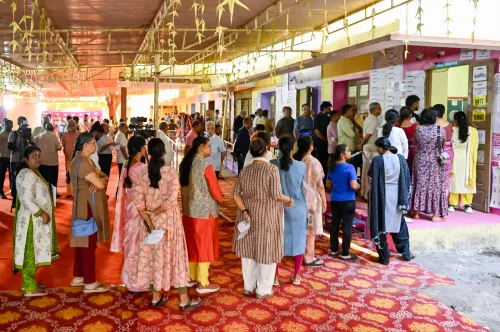
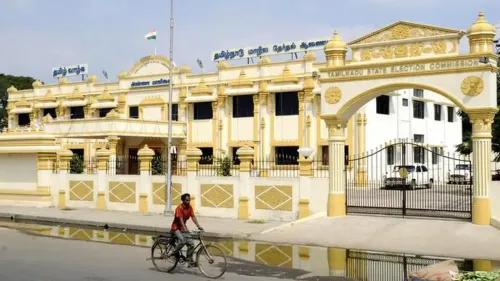
Chennai, April 25: In a significant indicator of smooth electoral administration, no repoll has been recommended in any of Tamil Nadu's 75,064 polling stations where voting was conducted on April 23, 2026, according to officials. The announcement, made on Friday, signals that the Election Commission and ground-level polling staff successfully managed one of the state's largest democratic exercises without a single booth-level breakdown warranting a re-vote.
Clean Conduct Across All 234 Constituencies
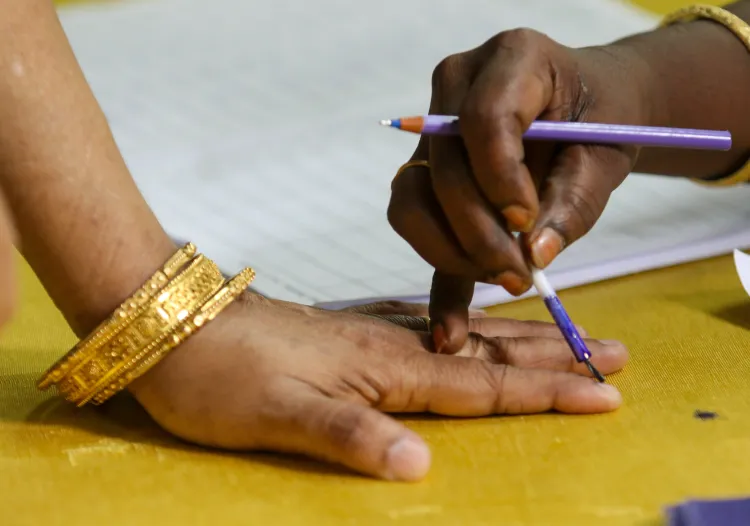
Officials confirmed that the polling process concluded without any incident serious enough to trigger a repoll directive in any of Tamil Nadu's 234 Assembly constituencies. Sources noted that polling personnel effectively handled both urban and rural segments, maintaining procedural integrity throughout the day.
The absence of any repoll recommendation is particularly noteworthy given the sheer scale of the exercise — managing over 75,000 polling booths across a geographically and demographically diverse state is a logistical challenge that election authorities appeared to have navigated without major failure.
Record 84% Voter Turnout Reflects Public Enthusiasm
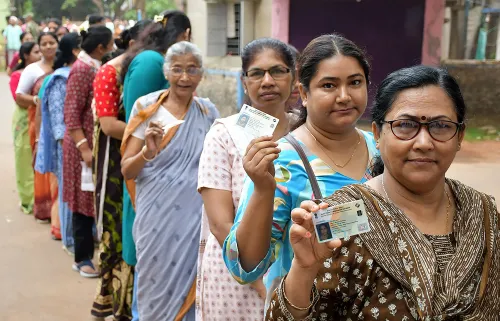
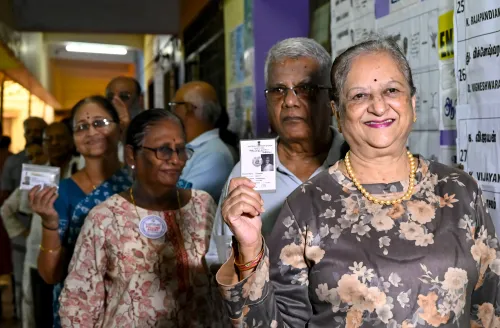
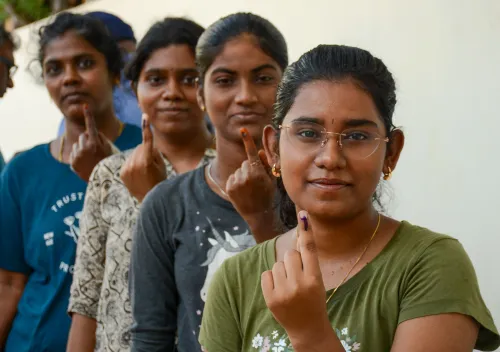
Tamil Nadu recorded a robust voter turnout of over 84 per cent, reflecting exceptionally high public participation. With more than 5.7 crore eligible voters exercising their franchise, this election is already being described as one of the most closely watched Assembly polls in the state's recent political history.
While isolated incidents of crowd management issues and minor disruptions were reported at certain booths, authorities maintained that these were contained swiftly and did not affect the overall integrity of the polling process. Extensive security arrangements were credited with ensuring broad-based peaceful conduct.
A Historic Four-Cornered Contest Reshapes Tamil Politics
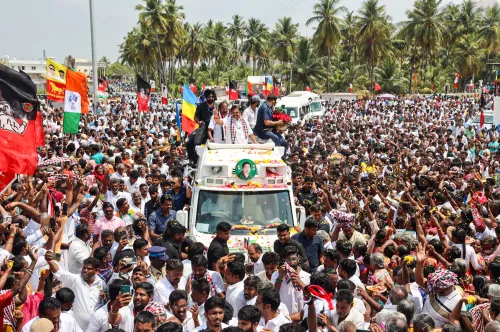
The April 23 election marked a structural departure from decades of Dravidian two-party dominance — a binary battle between the DMK and AIADMK that has defined Tamil Nadu politics since the 1970s. This time, the contest evolved into a genuine four-way fight.
The DMK-led Secular Progressive Alliance (SPA), helmed by Chief Minister M.K. Stalin, is seeking a second consecutive term, anchoring its campaign on welfare delivery and governance performance. The AIADMK-led NDA, under former Chief Minister Edappadi K. Palaniswami, is attempting a political comeback despite continued internal factional turbulence — making this election a critical test of whether the party retains its core vote base.
Actor-turned-politician Vijay's Tamilaga Vettri Kazhagam (TVK) fielded candidates across all 234 seats, making its electoral debut with a strong pitch to youth voters. Senthamizhan Seeman's Naam Tamilar Katchi (NTK) similarly contested statewide, drawing on Tamil nationalist sentiment, environmental concerns, and an anti-establishment narrative popular among first-time voters.
What the Zero-Repoll Result Signals for Election Integrity
Historically, repolls in Tamil Nadu have not been uncommon. In previous elections, booth capturing, EVM malfunctions, or violent incidents in specific constituencies have occasionally prompted the Election Commission of India (ECI) to order fresh voting. The clean chit across all 75,064 stations in 2026 is therefore a meaningful data point for electoral governance.
This comes amid heightened national scrutiny on the ECI's credibility and independence, particularly following controversies in other state elections. A repoll-free Tamil Nadu exercise — at this scale and amid a high-stakes multi-party contest — provides the Commission a positive headline at a time when its processes face public questioning.
Notably, the four-party contest also raised fears of potential booth-level tensions and voter intimidation, especially in constituencies where TVK and NTK were making inroads into traditional DMK and AIADMK strongholds. The fact that no such incident escalated to repoll level suggests either effective pre-emptive security deployment or a relatively disciplined campaign environment on polling day.
Results on May 4: What Happens Next
Vote counting is scheduled for May 4, 2026, when Tamil Nadu will learn whether Chief Minister M.K. Stalin and the DMK secure a historic second term, or whether the fragmented vote shares from TVK and NTK tip the balance in unexpected directions. Political analysts are closely watching whether Vijay's TVK translates its mass popularity into actual seat wins — a result that could permanently alter the state's political architecture.
The 2026 Tamil Nadu Assembly election results will not only determine the next government but could redefine the future of Dravidian politics in India — with implications for national coalition arithmetic ahead of the 2029 Lok Sabha elections.
Point of View
064 Tamil Nadu booths is administratively commendable — but it also deserves scrutiny beyond the headline. In a state where electoral violence and booth-level manipulation have historical precedent, a clean chit of this scale either reflects genuine systemic improvement or raises questions about whether all incidents were properly reported and escalated. More broadly, the real story of this election isn't the logistics — it's the structural fracture in Dravidian politics. The entry of Vijay's TVK and the persistence of NTK signal that Tamil Nadu's youth are no longer satisfied with the DMK-AIADMK duopoly, and May 4's results will tell us whether that disillusionment has finally found electoral expression.
NationPress
1 Oct 2026
Frequently Asked Questions
Was any repoll ordered in Tamil Nadu after the April 23 election?
No, officials confirmed on April 25 that no repoll has been recommended in any of Tamil Nadu's 75,064 polling stations. The polling process concluded without any incident serious enough to warrant re-voting in any constituency.
What was the voter turnout in the Tamil Nadu 2026 Assembly election?
Tamil Nadu recorded a voter turnout of over 84 per cent in the April 23 Assembly election. More than 5.7 crore eligible voters participated, making it one of the highest-turnout state elections in recent years.
When will Tamil Nadu election results 2026 be declared?
The Tamil Nadu Assembly election results will be declared on May 4, 2026. Counting will determine whether the DMK wins a second consecutive term or a new political force emerges.
Who are the main parties contesting the Tamil Nadu 2026 election?
The main alliances are the DMK-led Secular Progressive Alliance (SPA), the AIADMK-led NDA, actor Vijay's Tamilaga Vettri Kazhagam (TVK), and Seeman's Naam Tamilar Katchi (NTK). This marks a shift from the traditional DMK-AIADMK two-party contest.
How many Assembly seats are there in Tamil Nadu?
Tamil Nadu has 234 Assembly constituencies. All 234 seats went to polls on April 23, 2026, with results scheduled for May 4, 2026.