Tamil Nadu Voter Turnout Hits 82% by 5 PM, Smashes 2021 Record
Synopsis
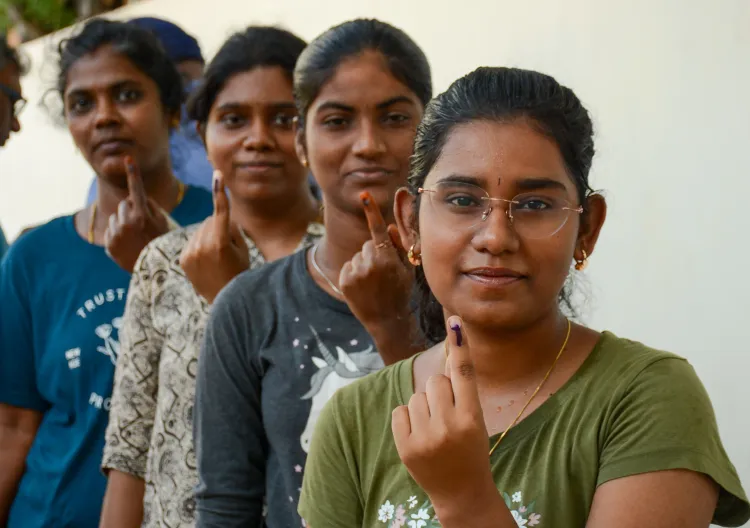
Tamil Nadu shattered its own electoral record with an 82.24% voter turnout by 5 PM on April 23 — surpassing the 2021 final tally of 73.63%. From tribal communities crossing a dam by boat in Kanniyakumari to last-minute ECI appeals in Chennai, the election showcased democracy's remarkable reach across the state.
Key Takeaways
Tamil Nadu voter turnout reached 82.24% by 5 PM on April 23 , surpassing the 2021 final tally of 73.63% before polling had even closed.
The Election Commission of India issued a last-minute appeal to voters in Chennai to head to polling stations in the final hour.
Kani tribal community members in Kanniyakumari district crossed the Pechiparai dam by boat to vote, aided by three special boats and life jackets arranged by the district administration.
Jayakumar and BJP's Khushbu Sundar voted in Chennai and publicly urged citizen participation by displaying ink-marked fingers.
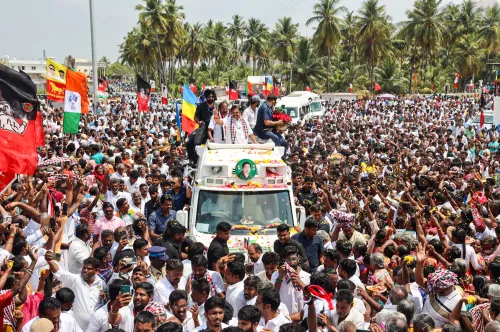
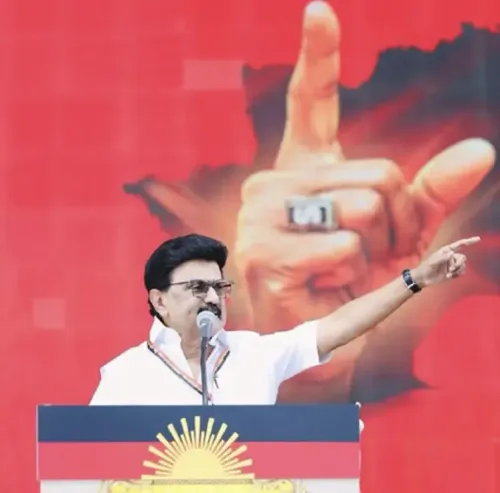
MDMK leader Vaiko predicted the DMK-led alliance would win over 200 of 234 seats in the Tamil Nadu Assembly.
High turnout was recorded across both urban and rural constituencies despite prevailing hot weather conditions across multiple districts.
Tamil Nadu recorded a landmark voter turnout of 82.24 per cent by 5 PM on April 23 during the Assembly elections, decisively eclipsing the 73.63 per cent final polling figure from the 2021 state elections. The surge signals an extraordinary level of civic engagement across the state, driven by intense political competition and strong ground-level mobilisation by all major parties. With polling still ongoing at the time of recording, the final figure was widely expected to climb even higher.
Unprecedented Turnout Across Urban and Rural Constituencies
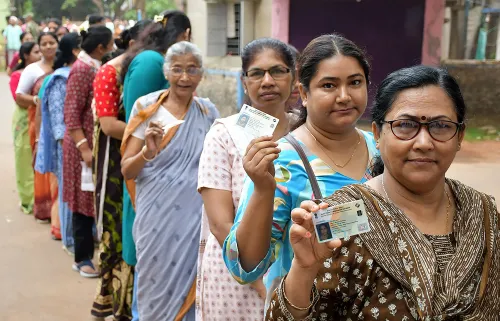
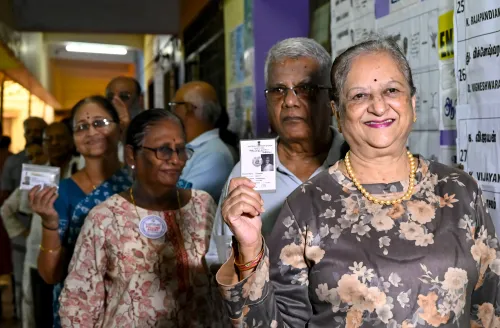
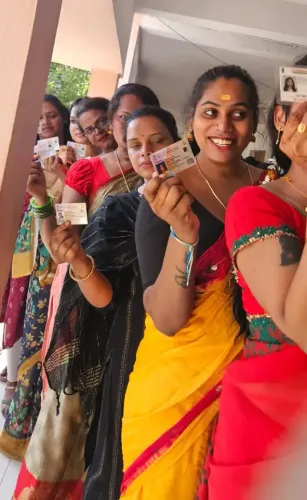
The steady climb in voter participation through the day was observed across both urban centres and rural constituencies, despite scorching heat gripping several districts of the state. Polling officials noted consistently long queues at booths from the early morning hours, a pattern that historically correlates with high final turnout figures.
As the clock approached the final hour of polling, the Election Commission of India (ECI) issued a last-minute appeal specifically targeting voters in Chennai, urging them to head to their nearest polling stations before the deadline. The appeal reflected the Commission's intent to maximise participation even in the final stretch.
Political Leaders Vote, Urge Public Participation
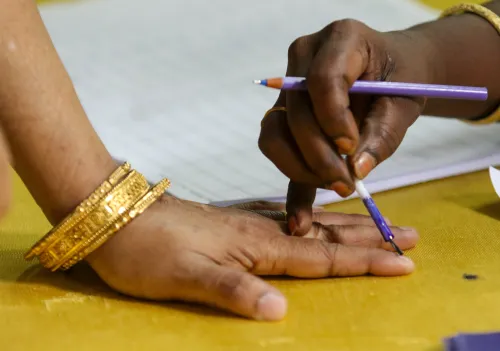
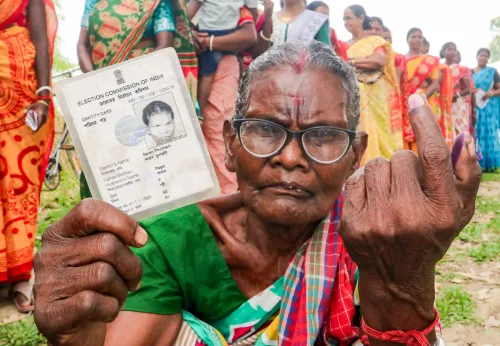
Several prominent political figures exercised their franchise in Chennai, using the occasion to publicly champion voter participation. AIADMK candidate from Royapuram, D. Jayakumar, and BJP leader Khushbu Sundar both voted and displayed their ink-marked fingers — a symbolic gesture that resonated widely on social media, amplifying the message of democratic duty.
Their public displays came at a politically charged moment, with both the AIADMK and the BJP looking to consolidate their respective voter bases in a fiercely contested election cycle.
Tribal Voters Cross Dam by Boat in Kanniyakumari
Among the most compelling images of the day emerged from Kanniyakumari district, where members of the Kani tribal community overcame significant logistical barriers to exercise their right to vote. Residents of isolated hill hamlets crossed the Pechiparai dam by boat, as rising water levels had rendered road connectivity impossible.
The district administration stepped in proactively, arranging three special boats and ensuring the availability of life jackets for safe transportation. This grassroots commitment to democratic participation — from one of India's most marginalised communities — stood as a powerful counter-narrative to urban voter apathy.
Notably, this is not the first time remote Tamil Nadu communities have gone to extraordinary lengths to vote. Such instances have been documented in previous elections and underscore the deep democratic consciousness embedded even in geographically isolated populations.
Political Reactions and Alliance Predictions
MDMK leader Vaiko expressed strong confidence that the DMK-led alliance would return to power with a commanding mandate. He predicted the coalition would secure more than 200 seats in the 234-member Tamil Nadu Legislative Assembly — a bold forecast that, if accurate, would represent a near-sweep of the legislature.
Such predictions must be contextualised carefully. The DMK alliance, which includes the Congress and several smaller parties, has been riding a wave of anti-incumbency sentiment against the opposition and the goodwill generated by its welfare schemes since coming to power in 2021. However, the AIADMK and its allies have mounted a vigorous counter-campaign, particularly on issues of law and order and economic governance.
What This Turnout Means for Tamil Nadu's Democratic Health
A turnout of over 82 per cent by 5 PM — before final figures are tallied — places this election among the highest-participation polls in Tamil Nadu's recent history. For comparison, the 2021 elections recorded 73.63 per cent as their final figure, while the 2016 elections saw approximately 74.9 per cent turnout.
High turnout is generally seen as a positive indicator for democracy, though political analysts caution that it does not automatically favour any single party. In Tamil Nadu's highly competitive two-alliance political landscape, even marginal shifts in vote share can translate into dramatic swings in seat counts due to the first-past-the-post system.
With counting scheduled to follow the completion of polling, all eyes will now turn to the results, which are expected to shape Tamil Nadu's political trajectory for the next five years and potentially influence the broader national political narrative ahead of future general elections.
Point of View
Which is expected in a hotly contested race, but the participation of marginalised tribal communities in Kanniyakumari who crossed a dam by boat to vote. Tamil Nadu's electorate has long demonstrated that welfare politics and identity mobilisation both matter — and any alliance that misreads this complexity does so at its peril. The real story here is not who wins, but that democracy's deepest roots are found not in air-conditioned polling booths in Chennai, but in hill hamlets with no road access.
NationPress
20 Sept 2026
Frequently Asked Questions
What was Tamil Nadu's voter turnout in the 2024 Assembly elections?
Tamil Nadu recorded a voter turnout of 82.24 per cent by 5 PM on April 23, 2024, during the Assembly elections. This figure had already surpassed the final turnout of 73.63 per cent recorded in the 2021 state elections.
How does the 2024 Tamil Nadu turnout compare to 2021?
The 2024 Tamil Nadu Assembly election turnout of 82.24 per cent by 5 PM significantly exceeds the 2021 final turnout of 73.63 per cent. The 2016 elections had recorded approximately 74.9 per cent, making 2024 a historic high in recent memory.
What happened with tribal voters in Kanniyakumari during the Tamil Nadu elections?
Members of the Kani tribal community in Kanniyakumari district crossed the Pechiparai dam by boat to reach polling stations, as road access was cut off due to high water levels. The district administration arranged three special boats and life jackets to ensure their safe participation.
What did MDMK leader Vaiko predict about the Tamil Nadu election results?
MDMK leader Vaiko predicted that the DMK-led alliance would win more than 200 seats in the 234-member Tamil Nadu Legislative Assembly. He expressed strong confidence that the ruling coalition would return to power with a decisive mandate.
Which political leaders voted in Chennai during the Tamil Nadu Assembly elections?
AIADMK candidate from Royapuram D. Jayakumar and BJP leader Khushbu Sundar were among the prominent politicians who voted in Chennai. Both displayed their ink-marked fingers after voting, urging citizens to participate in the electoral process.