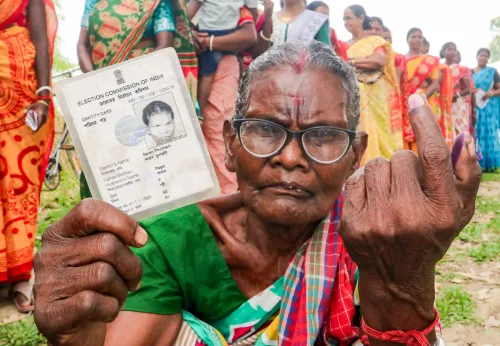
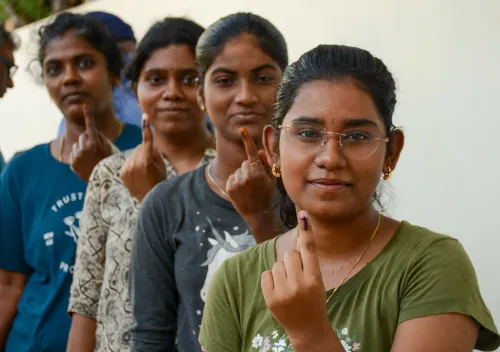
Historic Voter Turnout: Bengal Hits 89.93%, Tamil Nadu 82.24%
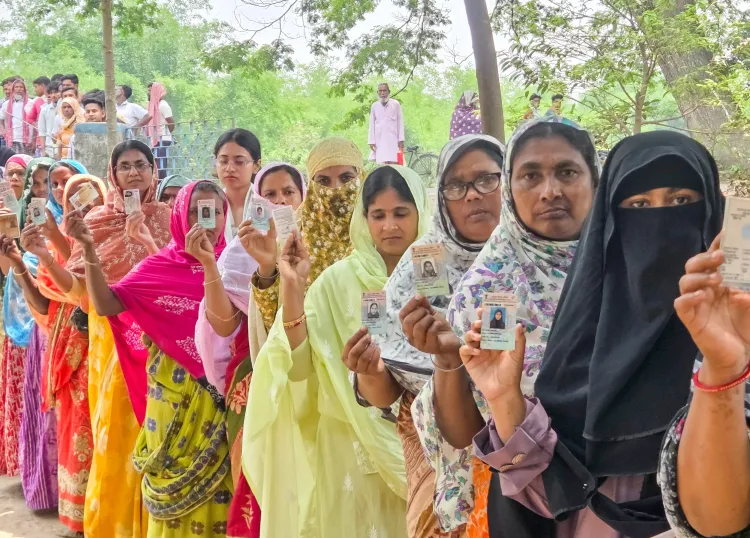
Synopsis
West Bengal shattered its 15-year voter turnout record with 89.93% polling in Phase 1 of the 2025 Assembly elections, while Tamil Nadu crossed 82.24% — both the highest since Independence. CEC Gyanesh Kumar formally saluted voters of both states, with final figures expected to push Bengal past 90%.
Key Takeaways
West Bengal recorded 89.93% voter turnout by 5 PM in Phase 1 — the highest in the state in 15 years , surpassing the 2021 figure of 82%.
Tamil Nadu logged 82.24% turnout , up from 74% in 2021 — the highest in the state since Independence.
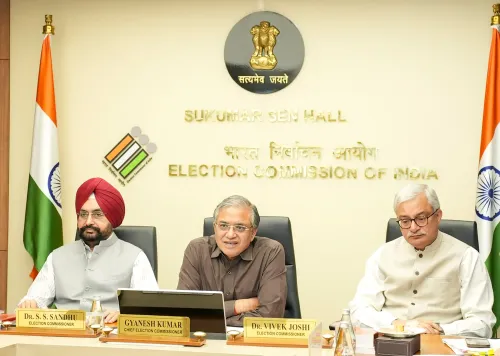
CEC Gyanesh Kumar formally saluted voters of both states, calling it a historic democratic milestone.
Officials expect the final West Bengal figure to cross 90% , which would be unprecedented in the state's electoral history.
Phase 1 covered 152 constituencies across 16 districts ; Phase 2 for the remaining 142 seats is on April 29 .
Results for both West Bengal and Tamil Nadu will be declared on May 4, 2025 .
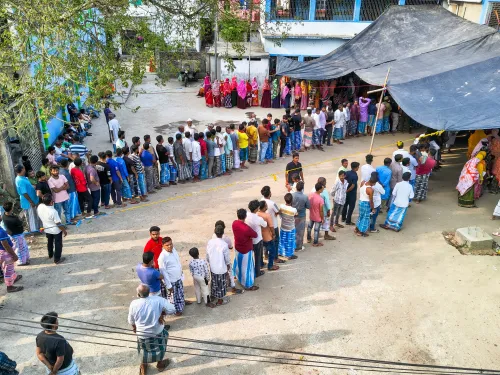
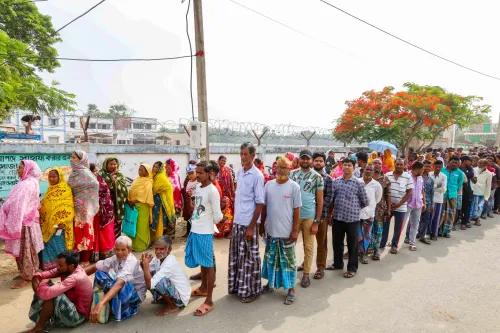
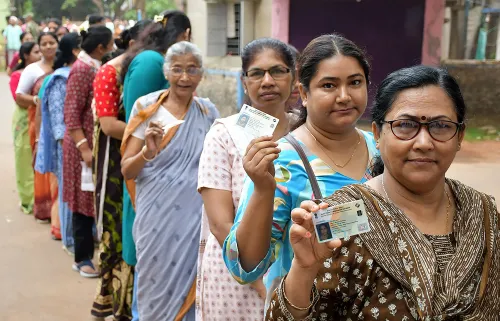
Chief Election Commissioner (CEC) Gyanesh Kumar on Thursday, April 24, praised voters of West Bengal and Tamil Nadu for achieving the highest-ever voter turnout since Independence in their respective Assembly elections. West Bengal recorded a staggering 89.93 per cent polling till 5 PM in Phase 1, while Tamil Nadu logged 82.24 per cent — both shattering previous records and signalling an unprecedented wave of democratic participation across two of India's most politically significant states.
CEC Salutes Voters as Records Shatter
CEC Gyanesh Kumar issued a formal message acknowledging the milestone, stating: "Highest ever percentage of polling in West Bengal and Tamil Nadu since Independence — ECI salutes each voter of West Bengal and Tamil Nadu." The statement was released even as officials in both states were still collating final turnout figures.
The Election Commission of India (ECI) confirmed that the 89.93 per cent polling figure in West Bengal by 5 PM had already surpassed the 2021 Assembly election figure of 82 per cent — a margin of nearly 8 percentage points. Insiders from the Chief Electoral Officer's office indicated the final tally could cross 90 per cent once all booths reported.
In Tamil Nadu, the 82.24 per cent turnout by 5 PM exceeded the 74 per cent recorded in the 2021 Tamil Nadu Assembly elections — an improvement of over 8 percentage points in just four years.
West Bengal Phase 1: Districts and Data
The first phase of polling covered 152 Assembly constituencies spread across 16 districts in West Bengal. In North Bengal, voting was held in Cooch Behar, Darjeeling, Kalimpong, Jalpaiguri, Alipurduar, North Dinajpur, South Dinajpur, and Malda. In South Bengal, the districts included Murshidabad, East Midnapore, West Midnapore, Jhargram, Purulia, Bankura, West Burdwan, and Birbhum.
The 89.93 per cent figure is the highest recorded in West Bengal in 15 years, surpassing even the celebrated 2011 Assembly elections — the watershed year when the 34-year Left Front government ended and Chief Minister Mamata Banerjee's Trinamool Congress (TMC) came to power. The 2011 six-phase polls had averaged 84.33 per cent turnout. The 2024 Lok Sabha elections in West Bengal had recorded an average of just 79.8 per cent.
Observers described the polling process as the most peaceful and violence-free since the 2011 Assembly elections, barring isolated incidents of tension and minor clashes — a significant contrast to the violence-marred elections of 2016 and 2021.
What This Record Turnout Signals Politically
A turnout crossing 90 per cent in West Bengal is historically unprecedented and carries profound political implications. High turnout in Bengal has traditionally favoured the incumbent, but analysts note that the geographic spread — covering both TMC strongholds and BJP-leaning districts like Cooch Behar and Darjeeling — makes the outcome less predictable.
In Tamil Nadu, the surge from 74 per cent to over 82 per cent represents a significant re-engagement of the electorate, particularly in urban constituencies where voter apathy has historically been a concern. This comes amid intense competition between the ruling DMK alliance and the AIADMK-BJP combine, with both camps having invested heavily in ground-level mobilisation.
This is also a vindication of the ECI's intensified voter awareness campaigns and logistical upgrades — including expanded polling booth infrastructure and extended voting hours in remote areas — implemented ahead of these elections.
Phase 2 Schedule and Result Date
The second and final phase of West Bengal Assembly elections is scheduled for April 29, covering the remaining 142 Assembly constituencies. The results for both phases will be declared on May 4.
With Phase 1 setting a record, political parties are now recalibrating their strategies for Phase 2 constituencies — many located in Kolkata and its suburbs, where urban voter behaviour could further define the mandate.
Historical Context: Bengal's Voter Turnout Journey
West Bengal has long been one of India's most politically charged states. The Left Front governed the state for an unbroken 34 years from 1977 to 2011, during which high turnout was often associated with booth-level management and alleged coercion. The 2011 elections, which ended that era, saw a relatively cleaner 84.33 per cent average turnout.
The 2016 and 2021 elections under TMC were marred by post-poll violence and allegations of booth capturing, raising questions about the authenticity of turnout figures. The 2025 elections, conducted under heightened central security deployment and ECI oversight, appear to represent a qualitative shift — with the 89.93 per cent figure coming alongside a largely peaceful voting day, lending greater credibility to the numbers.
As both states await final tallies and the May 4 results, the record turnout has already rewritten the democratic benchmark for Indian state elections in 2025.
Point of View
Bengal's high turnout numbers were shadowed by credible allegations of booth capturing and intimidation. The fact that this record comes alongside what observers are calling the most peaceful polling day since 2011 fundamentally changes the narrative, suggesting genuine democratic enthusiasm rather than coercion is driving participation. Tamil Nadu's 8-point surge is equally significant, signalling that urban voter apathy — long the Achilles heel of southern democracy — may finally be receding, making every incumbent across both states nervous ahead of the May 4 verdict.
NationPress
20 Sept 2026
Frequently Asked Questions
What was the voter turnout in West Bengal Phase 1 elections 2025?
West Bengal recorded 89.93 per cent voter turnout by 5 PM in Phase 1 of the 2025 Assembly elections, covering 152 constituencies across 16 districts. This is the highest turnout in the state in 15 years, surpassing the 2021 figure of 82 per cent.
What was the voter turnout in Tamil Nadu Assembly elections 2025?
Tamil Nadu recorded 82.24 per cent voter turnout by 5 PM on polling day, compared to 74 per cent in the 2021 Assembly elections. The Election Commission of India called it the highest-ever turnout in Tamil Nadu since Independence.
What did CEC Gyanesh Kumar say about the West Bengal and Tamil Nadu elections?
CEC Gyanesh Kumar issued a message stating the polling percentage was the highest ever in both states since Independence and that the ECI salutes every voter. He praised the democratic participation even as final figures were still being compiled.
When are the West Bengal election results 2025?
The results of the West Bengal and Tamil Nadu Assembly elections 2025 will be declared on May 4, 2025 . Phase 2 of the West Bengal elections is scheduled for April 29 , covering the remaining 142 constituencies.
Which districts voted in Phase 1 of West Bengal elections 2025?
Phase 1 covered 16 districts including Cooch Behar, Darjeeling, Kalimpong, Jalpaiguri, Alipurduar, North Dinajpur, South Dinajpur, Malda in North Bengal, and Murshidabad, East Midnapore, West Midnapore, Jhargram, Purulia, Bankura, West Burdwan, and Birbhum in South Bengal.